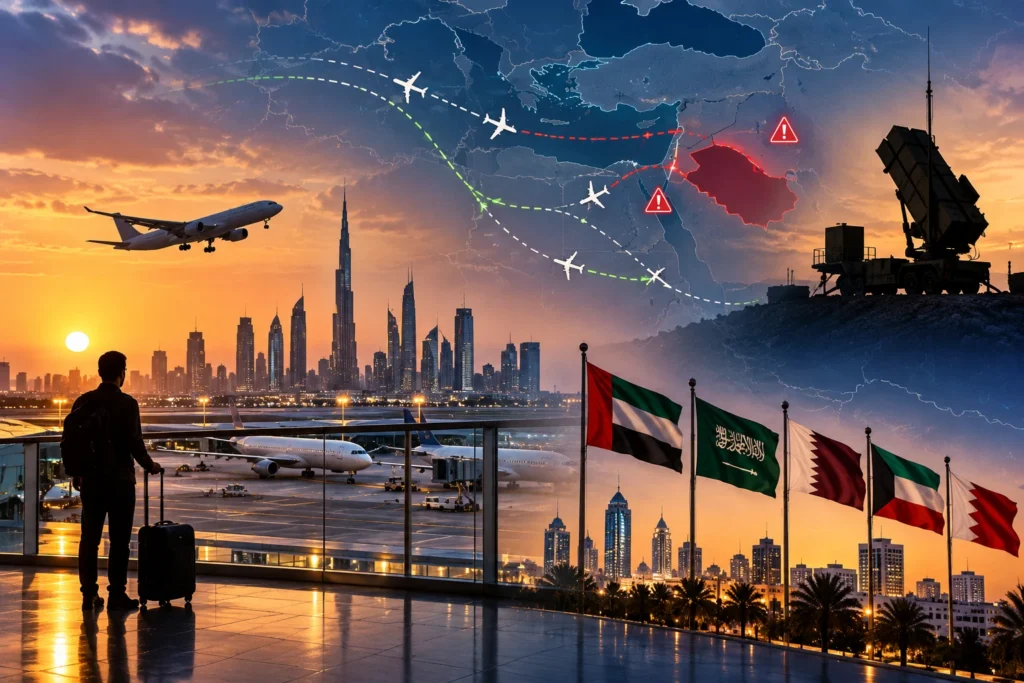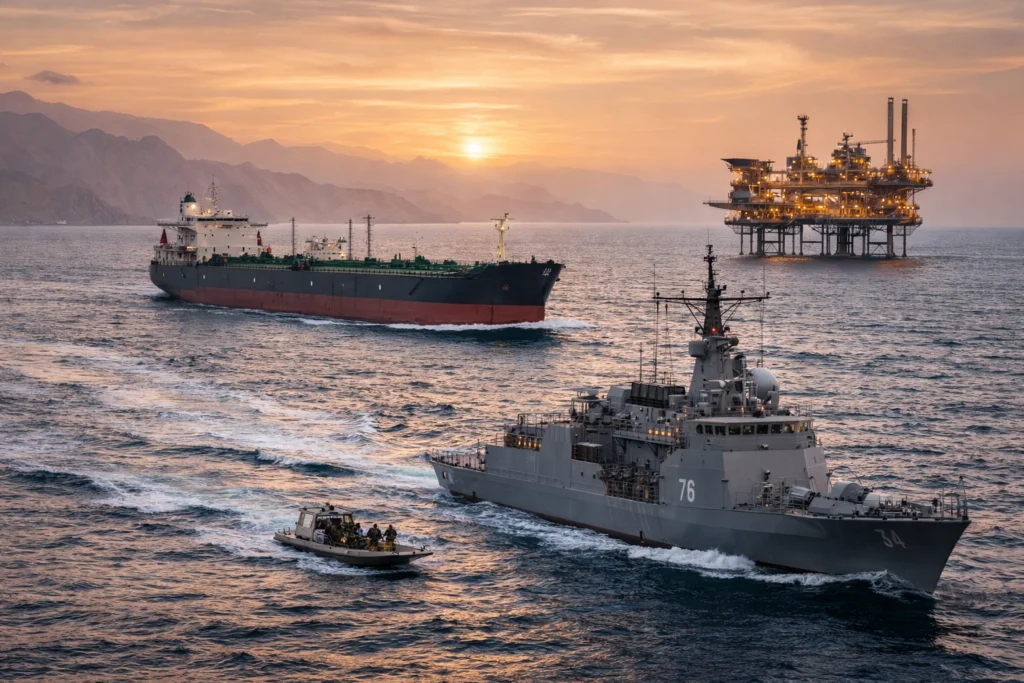
The renewed closure of the Strait of Hormuz has triggered urgent economic and energy security responses across Europe, Asia and North America, with governments including Italy, the United Kingdom, Canada, Germany, France, Turkey, Ireland, India and Japan moving to protect oil and LNG supply chains. The strategic waterway is one of the world’s most important maritime corridors for seaborne energy exports, and any disruption immediately reverberates through fuel markets, aviation costs, shipping schedules and wider travel demand.
The latest escalation has heightened concerns over fuel availability, price volatility and transport disruption just as many countries head into key tourism and summer travel periods. Airlines, cruise operators, logistics companies and hospitality businesses are closely watching developments because higher energy prices can quickly translate into increased fares, reduced margins and shifting traveler behavior.
Why the Strait of Hormuz Matters to Global Travel
The Strait of Hormuz is a critical chokepoint connecting Gulf energy producers with global markets. A substantial share of internationally traded oil and LNG normally transits the route, making it central not only to power generation and industry but also to tourism and transportation.
When flows are interrupted, airlines face rising jet fuel costs, shipping firms absorb higher insurance premiums and freight charges, and consumers often encounter higher prices across travel services. For tourism-dependent economies, sustained energy disruption can affect everything from hotel operating costs to air connectivity and cruise itineraries.
Europe Moves to Shield Energy Markets
European nations moved rapidly to assess reserves, diversify imports and coordinate contingency plans. Italy, heavily reliant on imported energy, is pursuing alternative LNG sourcing and wider diversification efforts while reviewing market stabilization tools. Germany and France are also accelerating supply options beyond the Gulf and coordinating broader European responses.
The United Kingdom has focused on energy resilience and maritime security, while Ireland has backed wider European coordination and long-term diversification strategies. Across the continent, the immediate priority is preventing supply shortages while limiting the inflationary impact of higher fuel costs on households, transport operators and businesses.
Aviation Sector Faces Immediate Pressure
Few industries react faster to oil market shocks than aviation. Fuel is one of the largest operating costs for airlines, and sudden price increases can reshape route economics within days. Long-haul services are particularly exposed, especially leisure routes where fare sensitivity is high.
If volatility persists, airlines may adjust schedules, reduce frequencies, review expansion plans or increase fares. Airports and tourism boards are therefore monitoring the situation closely, particularly in markets dependent on inbound long-haul visitors during peak season. Travelers could also see package holiday prices rise if airlines and tour operators pass on added costs.
Asia Strengthens Supply Security
India and Japan, among Asia’s largest energy importers, are also responding with urgency. Both economies rely heavily on imported oil and gas, making secure maritime routes essential for economic stability and transportation networks.
India is pursuing alternative sourcing, strengthening diplomatic engagement and reinforcing long-term renewable energy goals. Japan is combining reserve planning, diversification measures and broader resilience strategies to reduce exposure to future shocks. Across Asia, governments are expected to intensify contingency planning if disruptions continue.
Turkey and Canada Position for Stability
Turkey’s geographic position between Europe and Asia gives it a strategic role in regional energy transit and diplomacy. Ankara is pursuing supply diversification while supporting dialogue aimed at restoring stable trade flows.
Canada, as a major energy producer, is less directly exposed to Gulf imports but remains highly engaged because global price spikes affect international markets and domestic consumers alike. Ottawa’s focus includes market monitoring, export opportunities and support for multilateral efforts that keep trade lanes open.
Hotels, Cruises and Tourism Businesses Brace for Impact
The travel industry is particularly vulnerable to prolonged energy disruption. Hotels may face higher utility costs, cruise operators can encounter elevated marine fuel expenses and transport providers often deal with increased operating bills. These costs can influence pricing, staffing decisions and expansion plans.
Destinations dependent on international airlift are especially sensitive. If carriers trim capacity or raise fares significantly, visitor numbers can soften. That can affect local economies, especially where tourism supports restaurants, attractions, retail and seasonal employment.
Global Shipping Risks Add More Uncertainty
Beyond energy cargo, broader shipping networks may also feel the strain. Higher insurance rates, rerouting decisions and delayed deliveries can impact supply chains well beyond the Gulf region. For travelers, that can mean indirect effects such as higher consumer prices, pressure on hospitality procurement and reduced confidence in discretionary spending.
The wider economic concern is that transport costs often spread across multiple sectors, amplifying inflation and slowing recovery momentum in already fragile markets.
Outlook Remains Highly Sensitive
The global response now centers on three priorities: securing alternative supplies, stabilizing markets and preventing further escalation. Governments are balancing immediate emergency measures with longer-term investments in renewables, infrastructure and diversified sourcing.
For the travel sector, the message is clear: energy security and tourism performance are deeply linked. As nations race to protect supply routes and shield their economies, airlines, airports, hotels and travelers worldwide will continue watching the Strait of Hormuz as one of the most consequential flashpoints in global mobility.