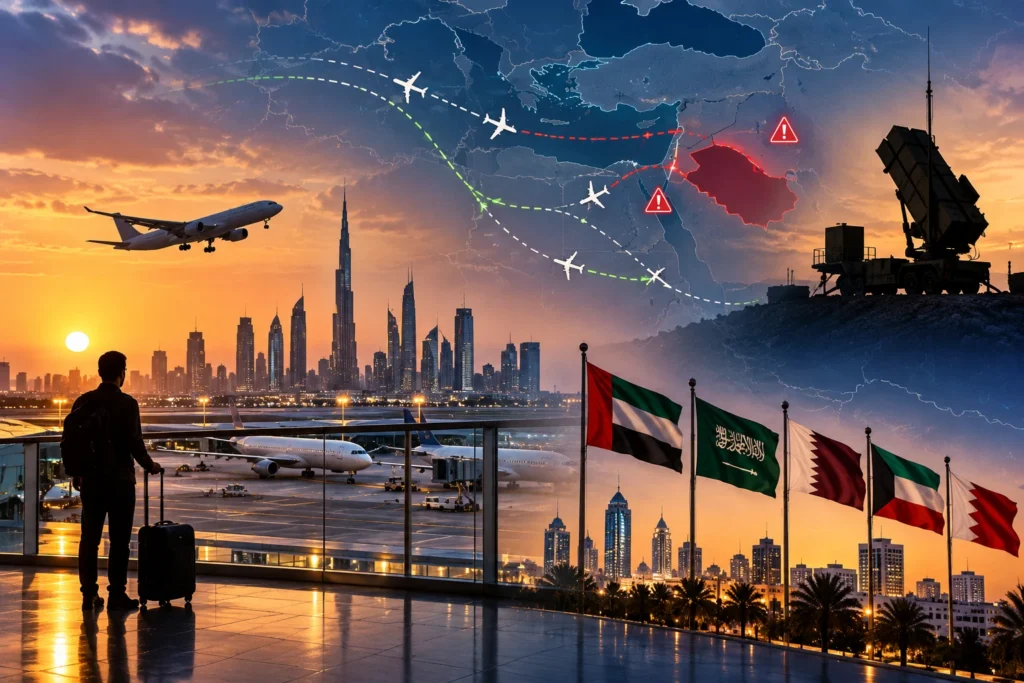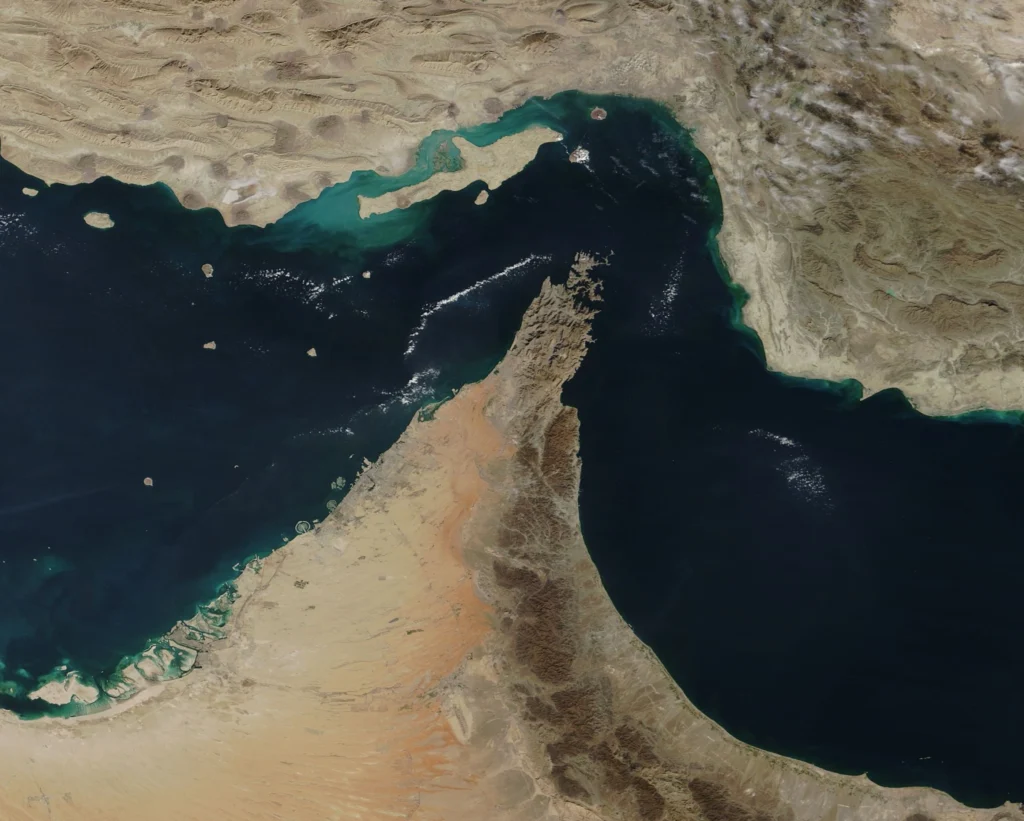
A renewed shutdown of the Strait of Hormuz has placed Saudi Arabia, the United Arab Emirates, Qatar, Bahrain, Oman, Kuwait and wider global markets on high alert, after the strategic waterway’s closure triggered fears of severe energy disruption, rising oil prices and fresh instability in global trade. The route is one of the most important maritime corridors for crude oil and LNG exports, and any interruption immediately affects transport costs, aviation fuel prices and international travel planning.
The latest escalation comes at a sensitive moment for global tourism and supply chains. Airlines are entering peak travel periods, cruise lines are operating major seasonal itineraries and businesses worldwide remain highly exposed to fuel volatility. For travelers, the consequences could include higher fares, tighter airline capacity and broader uncertainty across international transport networks.
Why the Strait of Hormuz Matters Globally
The Strait of Hormuz connects Gulf energy producers with world markets and handles a substantial share of seaborne oil and gas exports. It is especially important for Gulf economies including Saudi Arabia, the UAE, Qatar and Kuwait, whose exports help power industries, transport systems and electricity grids across multiple continents.
Because energy prices are deeply linked to travel costs, disruptions in the strait can quickly ripple through aviation, hospitality and logistics. Airlines depend on stable jet fuel pricing, hotels face rising operating expenses and shipping firms must absorb higher insurance and rerouting costs when tensions escalate.
Gulf States Face Strategic Pressure
Saudi Arabia and its Gulf neighbors rely on secure export routes to maintain economic stability and government revenues. Even temporary shipping slowdowns can affect tanker schedules, market confidence and delivery commitments.
At the same time, Gulf states have a strong interest in avoiding wider conflict that could damage tourism ambitions, infrastructure investment and regional growth plans. Several Gulf destinations have spent years expanding airlines, airports, luxury tourism projects and events industries. Sustained geopolitical risk can challenge that momentum by increasing costs and weakening traveler confidence.
Airlines Could Feel the Impact Fast
The aviation industry is among the first sectors to react to oil market shocks. Fuel is typically one of the largest expenses for airlines, meaning sudden price spikes can reshape route economics rapidly. Carriers may respond by increasing fares, adjusting schedules, slowing expansion or reviewing less profitable long-haul routes.
Travelers could feel these changes through higher ticket prices, especially on international routes. Package holidays may also become more expensive if tour operators face rising transport and supplier costs. Airports dependent on inbound leisure traffic are watching closely for any demand shifts linked to fare increases.
Shipping and Trade Networks Under Strain
Beyond energy cargo, broader shipping flows may also be disrupted. If vessels are delayed, rerouted or subject to higher security premiums, global freight costs can rise. That can affect consumer prices, retail supply chains and hospitality procurement around the world.
Cruise operators, transport companies and import-reliant destinations may also face operational pressure. In tourism economies, higher freight and fuel bills can influence restaurant costs, hotel margins and the overall visitor experience.
Europe and Asia Monitor Supply Security
Countries across Europe and Asia are expected to intensify contingency planning as markets react. Major importers are likely to review strategic reserves, diversify suppliers and strengthen diplomatic engagement to prevent a prolonged disruption.
For fast-growing travel markets in Asia, stable fuel prices are essential for affordable air connectivity. In Europe, where airlines connect millions of passengers during summer peaks, volatility can quickly affect pricing and scheduling. The global nature of modern aviation means regional energy shocks rarely stay regional for long.
Tourism Confidence at Stake
Travel demand often depends on predictability. When geopolitical tensions dominate headlines and transport costs rise, some travelers delay bookings or choose closer-to-home alternatives. Long-haul leisure demand can be particularly sensitive when airfare becomes more expensive.
Destinations reliant on international arrivals therefore have strong incentives to maintain confidence through stable access, clear communication and competitive pricing. If the crisis deepens, tourism boards and airlines may need to adjust campaigns and promotions to protect visitor demand.
What Happens Next
The next phase depends on diplomacy, maritime security developments and market reaction. Governments and industry leaders are balancing short-term emergency measures with longer-term efforts to diversify energy routes and reduce dependence on vulnerable chokepoints.
For now, the Strait of Hormuz remains one of the world’s most consequential pressure points for mobility and commerce. As Saudi Arabia, Gulf allies and global partners monitor events, travelers, airlines and businesses worldwide are preparing for the possibility of continued volatility in prices, schedules and trade flows.
For more travel news like this, keep reading Global Travel Wire