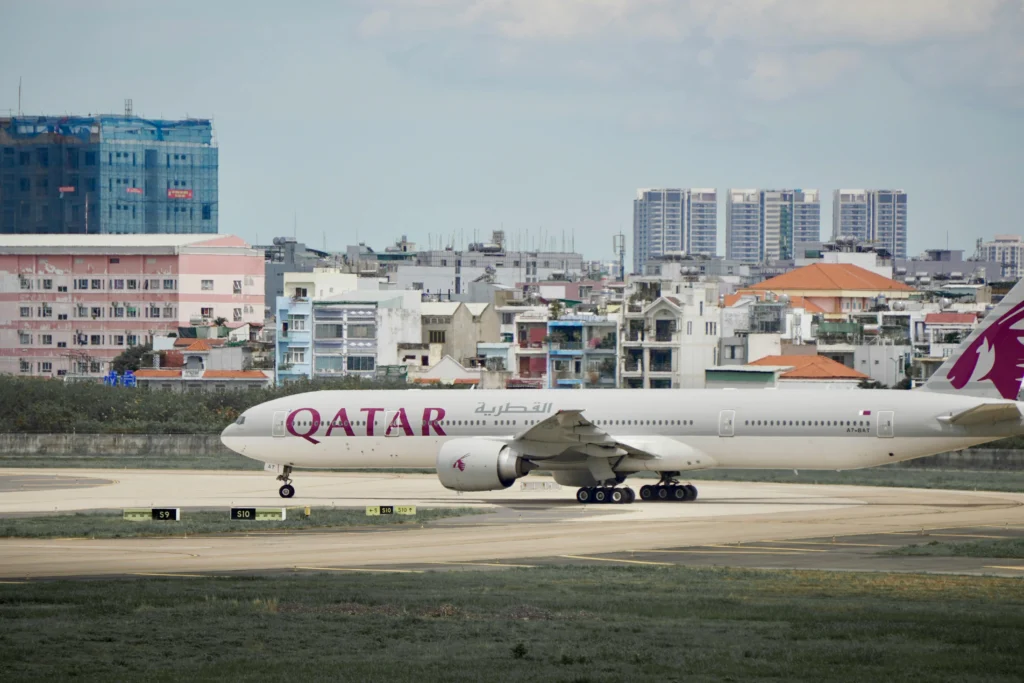
The international aviation landscape in 2026 continues to face logistical complexities as the Qatar Civil Aviation Authority and the national carrier, Qatar Airways, navigate shifting operational requirements. In a significant update for the Southern Africa tourism sector, the flagship service between Hamad International Airport in Doha and OR Tambo International Airport in Johannesburg has experienced a temporary suspension. This development serves as a critical junction for long-haul travel, as Johannesburg remains the primary gateway for a population base exceeding 150 million people across the southern portion of the continent.
Official statements from the Ministry of Transport and the Qatar Civil Aviation Authority indicate that while the nation’s airspace has seen a gradual resumption of activities, specific long-haul corridors remain subject to comprehensive safety assessments and risk management protocols. The Doha-Johannesburg pairing is a cornerstone of the regional network, anchoring transit for travelers from Cape Town, Durban, Gaborone, Harare, and Maputo who utilize Doha as a central hub for onward journeys to Europe, Asia, and North America.
Strategic Impact on the Southern Africa Tourism Corridor
Johannesburg’s OR Tambo International Airport is recognized in official tourism statistics as the busiest aviation hub in the region. The temporary absence of consistent Qatar Airways rotations creates a ripple effect across the travel ecosystem. For business travelers and international tourists, the Doha corridor represents a vital link to global financial centers and leisure destinations. The suspension of this service necessitates a recalibration of travel itineraries, as the high-capacity nature of this route means that thousands of weekly passengers must now seek alternative transit options.
Regional tourism boards have noted that the interconnectivity provided by Hamad International Airport is essential for the growth of luxury travel and wildlife tourism in Southern Africa. When a primary hub-to-spoke route is altered, the impact is felt across multiple segments, including safari bookings, international conferences, and cross-border trade. Authorities are working to ensure that the infrastructure at OR Tambo remains ready to accommodate shifted traffic as airlines adjust their summer schedules to meet these evolving demands.
Navigating Global Airspace and Operational Readiness
The current operational environment is a result of a phased recovery following broader regional airspace restrictions that were initiated in late February 2026. Under the guidance of the Qatar Civil Aviation Authority, “safe corridors” were established to maintain essential connectivity while ensuring the highest standards of safety and security for passengers and aviation personnel. While many international routes have seen a gradual return to normalcy, the Johannesburg route’s suspension highlights the ongoing sensitivity of the global aviation supply chain.
Official government releases emphasize that these measures are precautionary and part of a broader commitment to operational efficiency. The QCAA continues to issue Notice to Airmen (NOTAM) updates as situations evolve, coordinating with relevant national entities to safeguard the integrity of the flight information region. For travelers currently at Hamad International Airport, the facility continues to offer modern amenities and ground support, though the volume of rebookings has placed a temporary strain on transit services.
Guidance for International Travelers and Transit Passengers
In light of these service adjustments, aviation authorities and tourism ministries have issued several recommendations for those planning travel to or from Southern Africa. Proactive verification of flight status remains the most effective tool for the modern traveler. Passengers are encouraged to utilize official airline mobile applications and digital portals for real-time updates, as schedules can be modified based on continuous risk assessments.
For those whose itineraries have been impacted, the following steps are advised based on international aviation protocols:
Status Verification: Confirm the operational status of your flight at least 24 to 48 hours before departure through official carrier channels.
Documentation: Maintain digital and physical copies of all travel documents, including original itineraries and any communication received regarding service changes.
Alternative Hubs: Explore regional alternatives through major hubs such as Addis Ababa, Dubai, or Abu Dhabi, which continue to facilitate traffic into the Southern African region, albeit at high capacity levels.
Official Notifications: Ensure that contact information is updated with the airline to receive immediate alerts regarding rebooking windows or alternate routing options.
The Outlook for 2026 Regional Connectivity
Despite the current hurdles, the long-term outlook for Southern Africa tourism remains robust. Official 2025 statistics showed a record-breaking year for passenger traffic at Hamad International Airport, with over 54 million travelers processed. The commitment to expanding this capacity to 65 million passengers annually remains a priority for the State of Qatar, ensuring that once full normalization is achieved, the network will be stronger and more resilient than ever.
The Ministry of Transport has reiterated that the restoration of the full global network is a matter of strategic importance. As regional stability continues to improve, the phased return of foreign carriers and the stabilization of flagship routes like Doha to Johannesburg will remain a focus for aviation planners. The 2026 summer season is expected to be a period of significant recalibration, with authorities prioritizing safety while striving to meet the high demand for global exploration.
For the international community, the situation serves as a reminder of the complexity of the modern aviation grid. However, with the cooperation of tourism boards and aviation authorities, the path toward restored connectivity is clear. Travelers are encouraged to remain flexible and stay informed through official government statements as the region works toward a seamless and safe return to full operational capacity.
For more travel news like this, keep reading Global Travel Wire