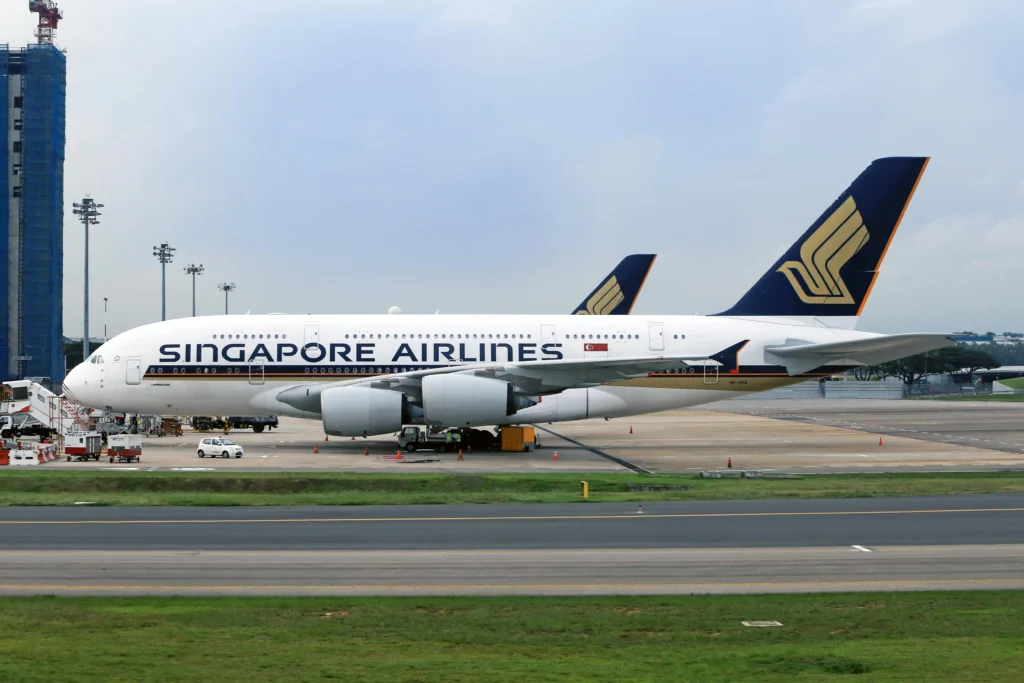
Singapore Changi Airport, consistently recognized as a global leader in aviation efficiency, faced a challenging operational day on April 20, 2026, as hundreds of passengers found themselves searching for alternative routes following the simultaneous cancellation of key South Pacific services. Major disruptions hit the morning schedule when Air New Zealand and Aircalin were forced to ground aircraft destined for Auckland and La Tontouta, respectively. As a premier destination for Singapore tourism and a critical transit point for international explorers, the sudden shift in flight availability created a significant ripple effect across the airport’s award-winning terminals.
According to official flight status updates from Changi Airport Group (CAG), the disruptions stemmed from a rare confluence of independent technical and environmental factors. Air New Zealand’s service to Auckland was impacted following a lightning strike on a wide-body aircraft earlier in the week, which necessitated mandatory safety inspections in line with international aviation protocols. Concurrently, Aircalin reported technical malfunctions on its international fleet, leading to the cancellation of its westbound service to Noumea. These events, occurring during a high-demand weekend window, left between 500 and 800 travelers navigating a complex rebooking landscape.
Strategic Impact on the Singapore Aviation Hub
Singapore Changi Airport serves as the primary redistribution point for travelers moving between Europe, Southeast Asia, and the South Pacific. Official statistics from the Civil Aviation Authority of Singapore (CAAS) highlight that the airport manages millions of passengers monthly, with a high percentage engaging in international transfers. When major long-haul routes to New Zealand and New Caledonia are disrupted, the impact extends beyond the departing passengers to those arriving on connecting flights from across the globe.
Airport officials and ground handling teams were deployed in increased numbers to manage the influx of travelers at customer service desks. While Changi’s digital infrastructure is designed to handle high volumes, the simultaneous nature of the two grounding events led to extended wait times. For those visiting the city-state, Singapore tourism remains a top priority, and airport authorities worked diligently to minimize the time passengers spent in transit, encouraging the use of Changi’s world-class amenities—including its indoor gardens and retail zones—while rebooking was underway.
Technical Resilience and Safety Protocols in 2026
The grounding of the Air New Zealand aircraft serves as a reminder of the industry’s unwavering commitment to passenger safety. Official ministry statements from New Zealand’s transport authorities emphasize that lightning strike inspections are a standard, albeit time-consuming, necessity. These inspections ensure that avionics, electrical systems, and structural integrity remain uncompromised before an aircraft is cleared for transoceanic flight.
Similarly, Aircalin’s operational adjustment underscores the challenges faced by regional carriers with specialized fleets. The Ministry of Infrastructure and Transport for New Caledonia has been working closely with the airline to enhance fleet redundancy; however, the unexpected technical nature of the April 20 event necessitated a conservative approach to scheduling. By prioritizing safety over schedule, both carriers adhered to the highest internationally recognized security standards, a principle that remains the foundation of global aviation in 2026.
Navigating Rebooking and Passenger Rights
For the hundreds of travelers stranded at Changi, the process of rebooking required a strategic understanding of airline alliances and regional connectivity. Air New Zealand, a member of the Star Alliance, utilized its extensive network of partner carriers to reroute passengers through major Australian gateways such as Sydney and Melbourne. However, with weekend travel volumes at peak levels, many passengers faced a wait of 24 to 48 hours for confirmed seats.
Aircalin travelers faced a narrower set of options due to the specialized nature of the route to La Tontouta. The airline coordinated with regional partners to provide alternative connections, though some travelers opted for refunds to arrange independent travel. Official guidelines from the CAAS remind passengers that under modern aviation frameworks, they are entitled to specific levels of care during significant delays, including communication assistance, meal vouchers, and, where necessary, overnight hotel accommodations.
Guidance for Future Travelers in the South Pacific Corridor
As the 2026 travel season continues, tourism boards and aviation regulators recommend several proactive steps for those navigating long-haul Pacific routes:
Real-Time Status Monitoring: Passengers should utilize the official iChangi app and airline-specific mobile portals to check flight status at least 24 hours before heading to the airport.
Comprehensive Documentation: In the event of a cancellation, maintain digital records of all boarding passes, communication from the airline, and receipts for any out-of-pocket expenses incurred during the delay.
Travel Insurance Review: Ensure that travel insurance policies provide coverage for technical groundings and weather-related disruptions, as these are often categorized differently in standard policy documents.
Alliance Awareness: Understanding your airline’s alliance partners can help in suggesting alternative routing to gate agents during high-congestion periods.
Looking Ahead: Strengthening Changi’s Connectivity
Despite the localized disruption on April 20, the long-term outlook for Singapore’s connectivity remains exceptionally strong. The Singapore government continues to invest in Changi’s Terminal 5 project, which is designed to significantly increase the hub’s resilience and passenger capacity by the early 2030s. This future-focused infrastructure will allow the airport to better absorb operational shocks and maintain its status as the world’s preferred transit gateway.
Official tourism boards in New Zealand and New Caledonia have reaffirmed their commitment to the Singapore route, recognizing it as an essential artery for international visitors. As the grounded aircraft return to service and schedules normalize, the emphasis remains on providing a seamless experience for the global traveler. For those currently planning a journey through Changi, the message is one of confidence in the system’s ability to prioritize safety while working tirelessly to restore the world-class connectivity that defines the Singapore experience.
For more travel news like this, keep reading Global Travel Wire