South Africa’s online travel market is entering a powerful new growth phase as rising mobile engagement, expanding digital tools and one of Africa’s strongest aviation networks reshape how travelers plan and book trips. New research highlights the country’s growing role as both a tourism destination and a digital travel leader, with strong domestic and international connectivity helping unlock demand across leisure, business and regional travel segments.
The shift reflects a broader transformation in global tourism, where travelers increasingly expect seamless digital experiences from trip inspiration to booking, payments and in-destination support. In South Africa, that evolution is accelerating quickly.
Strong Air Connectivity Fuels Market Expansion
South Africa’s position as a major aviation hub remains one of its biggest tourism advantages. The latest market findings show the country has the highest domestic air capacity in Africa and the second-highest international air capacity on the continent.
That matters because air connectivity remains a critical driver of tourism growth. Strong domestic routes make it easier for travelers to move between major cities such as Johannesburg, Cape Town and Durban, while international links help attract long-haul visitors from key global markets.
For travelers, better connectivity means more route choices, improved flexibility and easier multi-city itineraries. For tourism businesses, it means wider market reach and stronger year-round demand.
Domestic aviation also helps distribute tourism beyond traditional gateways. Easier access can encourage visitors to explore national parks, wine regions, scenic coastlines and cultural destinations that may have previously relied more heavily on road travel.
Mobile Travel Becomes the Main Booking Channel
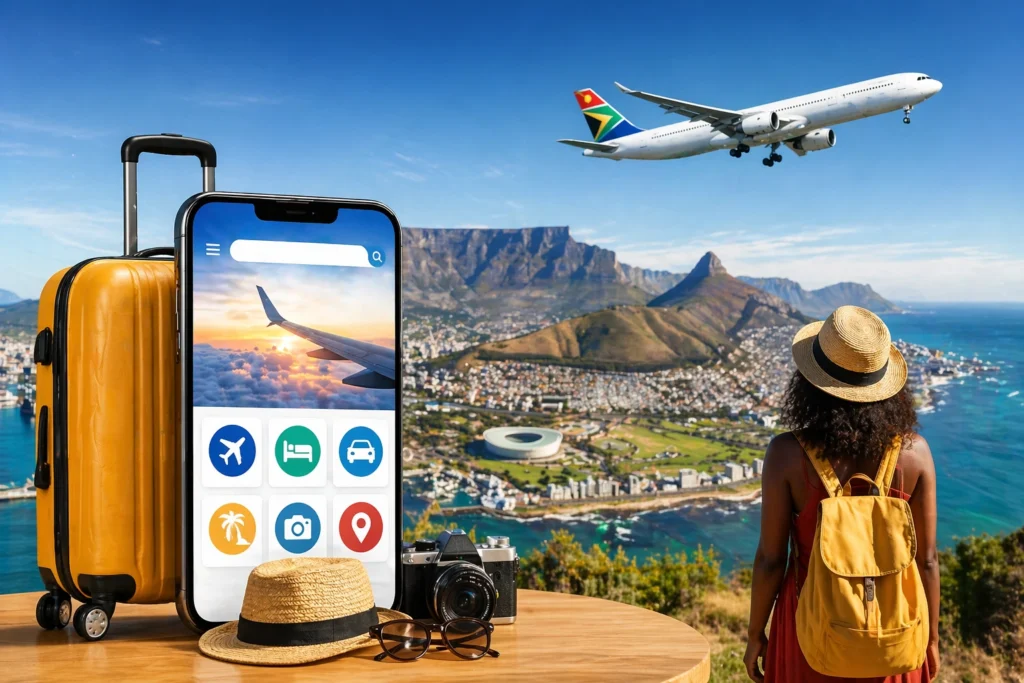
One of the most significant trends in South Africa’s travel market is the rise of mobile-first consumer behavior. Travelers are increasingly using smartphones not only to research destinations but also to complete bookings, manage itineraries and communicate with travel providers in real time.
Messaging platforms and mobile-friendly payment systems are playing an important role in this change. Consumers now expect speed, convenience and immediate responses when organizing trips.
This creates major opportunities for airlines, hotels, tour operators and attractions. Businesses that deliver fast mobile experiences, personalized offers and frictionless payments are better positioned to capture bookings and build loyalty.
For the tourism sector, mobile adoption also helps smaller operators connect directly with customers without needing expensive physical distribution channels.
Online Platforms Expand Traveler Choice
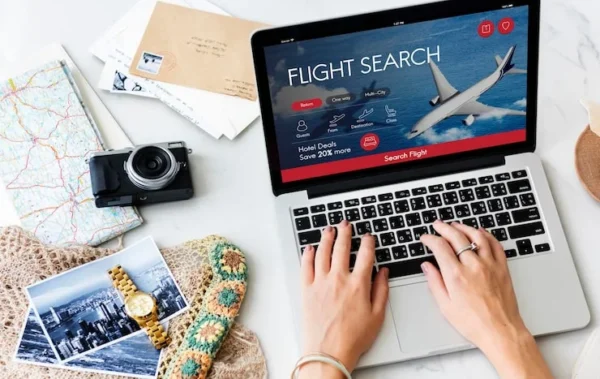
South Africa’s online travel ecosystem includes both international brands and strong regional platforms that allow travelers to compare and book flights, accommodations, car rentals and holiday packages in one place.
This digital marketplace gives consumers greater transparency on pricing and wider access to travel products. It also allows travelers to build customized trips based on their interests, budgets and schedules.
Whether planning a safari, beach break, urban getaway or business trip, users can increasingly manage the entire journey online.
That convenience is becoming a competitive advantage for South Africa’s tourism industry, especially as modern travelers prioritize efficiency and flexibility when choosing destinations.
AI Enters the Travel Planning Journey
Artificial intelligence is beginning to play a larger role in South Africa’s travel economy. Research indicates that many travelers have already used AI tools to research or plan holidays, with younger generations leading adoption.
This trend could reshape the visitor journey in the coming years. AI-powered tools can help travelers compare destinations, discover hidden experiences, create itineraries and receive personalized recommendations faster than traditional search methods.
For tourism businesses, AI can improve customer service, automate routine tasks and better match offers to traveler preferences.
As adoption grows, AI may become especially valuable for independent travelers seeking custom experiences across South Africa’s diverse tourism landscape.
Tourism Benefits Beyond Major Cities
The rise of digital travel engagement can also support more inclusive tourism growth. Better online access allows regional destinations and smaller tourism businesses to compete for visibility alongside major brands.
That could benefit destinations such as the Garden Route, Drakensberg, Kruger area, coastal retreats and heritage towns, where local operators can use digital tools to reach wider audiences.
Increased visitor dispersal helps spread tourism spending across communities, supports local employment and encourages new product development in accommodation, guiding, transport and hospitality.
Challenges Still Remain
Despite rapid momentum, gaps remain in the travel ecosystem. Digital access can vary between urban and rural areas, and some destinations still face connectivity limitations that affect bookings and traveler convenience.
The industry must also continue improving secure payments, platform integration and customer experience across multiple channels.
Addressing these issues will be important if South Africa wants to maximize growth while ensuring that tourism opportunities reach businesses and communities nationwide.
What Comes Next for South Africa Travel
The outlook for South Africa’s online travel market remains strong. As aviation capacity, mobile technology and AI-driven planning tools continue to expand, the country is well positioned to strengthen its status as a leading tourism hub in Africa.
For travelers, the result should be smarter planning, easier booking and broader destination choices. For the tourism industry, it signals new opportunities in hotels, aviation, tours, attractions and digital services.
South Africa is no longer just a destination benefiting from travel trends—it is becoming one of the markets helping define the future of digital tourism.
For more travel news like this, keep reading Global Travel Wire