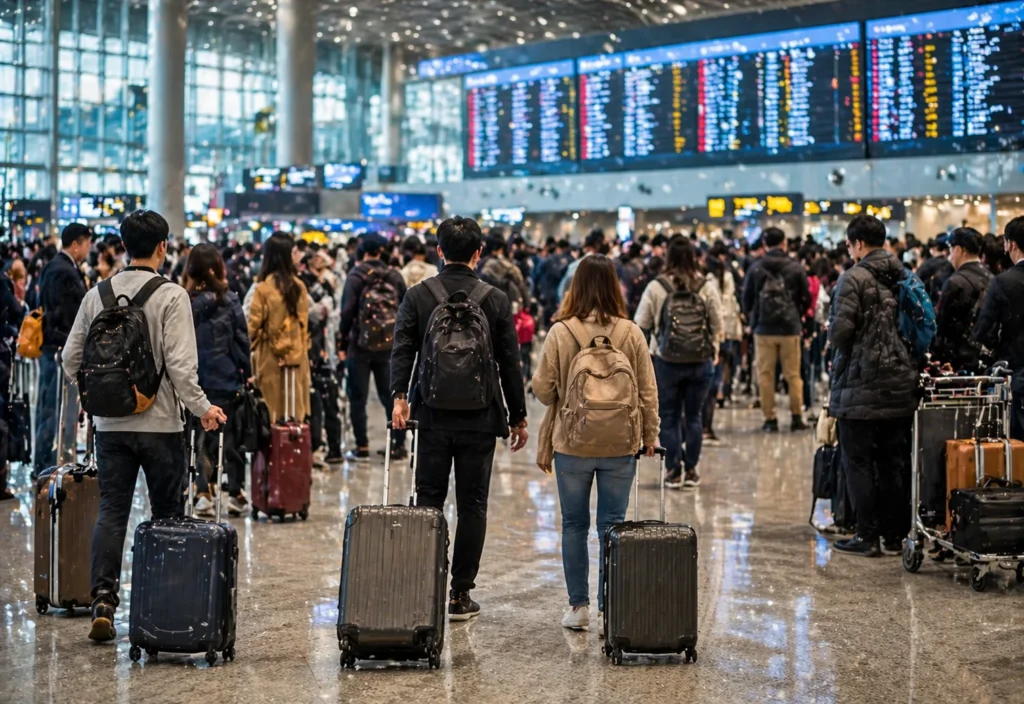
A wave of aviation disruption is affecting travelers across Asia as flight cancellations and delays spread through major hub airports during the busy spring travel season. Operational pressure at Shanghai Pudong International Airport and Islamabad International Airport has created ripple effects across regional and long-haul routes, leaving thousands of passengers dealing with missed connections, rebooking challenges, and extended waiting times.
With 23 cancellations and hundreds of delays reported across connected networks, the latest disruption highlights how quickly schedules can unravel in modern aviation systems when key hubs face congestion or operational constraints.
For tourists, business travelers, students, and digital nomads, the message is clear: flexibility and real-time updates are now essential for smooth travel across Asia.
Why Two Airports Can Affect So Many Travelers
Large hub airports are the backbone of international aviation. They connect domestic flights, regional routes, and long-haul services into one tightly timed system.
When delays build at a major hub, the impact spreads rapidly because:
- Aircraft arrive late for the next flight
- Crews exceed legal duty limits
- Passengers miss onward connections
- Gates and stands become unavailable
- Baggage transfers are delayed
- Replacement seats become scarce
That is why disruptions at Shanghai Pudong and Islamabad can affect passengers traveling far beyond China and Pakistan, including routes to Europe, the Middle East, and Southeast Asia.
Shanghai Pudong Faces Heavy Pressure
Shanghai is one of Asia’s most important global gateways, handling high volumes of business, tourism, and cargo traffic. During busy travel periods, even moderate delays can create major network strain.
Passengers connecting through Pudong often rely on tight transfer windows between domestic Chinese services and international departures. When inbound flights run late, onward connections may be lost within minutes.
Travelers heading to Japan, Korea, Southeast Asia, Europe, or North America may therefore experience disruption even if their own flight is not directly canceled.
Islamabad International Also Impacted
Islamabad is another critical regional gateway linking South Asia with the Gulf, Europe, and domestic destinations.
Disruptions here can affect passengers traveling for family visits, labor mobility, tourism, religious travel, and business trips. Because many routes depend on connecting banks of flights, delays at one point in the day can create problems across later departures.
For travelers with separate tickets or multi-leg itineraries, missed connections can become especially costly and stressful.
Why Delays Multiply So Quickly
Modern airlines often operate with highly optimized schedules. Aircraft may spend limited time on the ground before flying again, while crews work carefully planned rotations.
This creates efficiency in normal conditions but leaves less buffer when something goes wrong.
Common causes of cascading disruption include:
- Technical aircraft issues
- Crew shortages
- Air traffic congestion
- Weather delays
- Late incoming aircraft
- Security or operational bottlenecks
A single delayed aircraft can affect several later flights in one day. When multiple disruptions happen at once, hundreds of delays may follow.
What This Means for Tourism in Asia
Asia remains one of the world’s most dynamic travel regions, with rising demand for city breaks, beach holidays, cultural trips, business events, and long-haul tourism.
However, widespread flight disruption can temporarily affect:
- Holiday arrivals
- Hotel check-ins
- Cruise departures
- Tour schedules
- Business meetings
- Weekend travel plans
Destinations linked through hub airports may see short-term slowdowns in visitor flows, especially where travelers need same-day connections.
Even so, strong demand across the region means recovery often happens quickly once schedules stabilize.
Peak Season Adds Extra Pressure
The disruption comes during a busy spring travel period when many flights are already operating close to full capacity.
That creates extra challenges for rebooking because:
- Fewer empty seats are available
- Hotels near airports fill quickly
- Customer service queues grow longer
- Alternative flights sell out faster
Passengers affected during high-demand periods may need to consider nearby airports, later travel dates, or different routing options.
Smart Advice for Travelers Right Now
If your journey involves major Asian hubs, staying proactive can make a major difference.
Travel Tips During Disruption
- Check airline apps frequently for live updates
- Reconfirm connections before boarding first flights
- Arrive early at the airport
- Keep digital and printed travel documents ready
- Save receipts for disruption-related expenses
- Consider flexible fares when booking future trips
- Allow longer layovers on complex itineraries
Travel insurance with trip disruption coverage can also be valuable during busy travel seasons.
Good News: Recovery Usually Follows Fast
Although current delays are frustrating, major hub airports and airlines are experienced in restoring operations after short-term disruption. Extra aircraft rotations, revised schedules, and rebooking support often help reduce backlogs over time.
Passengers traveling later in the week may see smoother operations as systems recover.
Frequently Asked Questions
Which airports are most affected?
Shanghai Pudong International Airport and Islamabad International Airport are central to the current disruption.
Are all flights canceled?
No. Many flights continue to operate, but delays and selected cancellations are affecting schedules.
Who is most impacted?
Transit passengers, travelers with tight connections, and those on separate tickets may face the biggest challenges.
How long could disruption last?
Some delays may clear quickly, but network recovery can continue for several days depending on airline schedules.
Final Takeaway
The latest Asia flight turmoil shows how closely connected today’s aviation networks have become. Disruptions at major hubs such as Shanghai Pudong and Islamabad can quickly spread across regions, affecting thousands of travelers. While airlines work to restore schedules, passengers who stay informed, flexible, and prepared will be best positioned to manage travel smoothly during the 2026 spring rush.
For more travel news like this, keep reading Global Travel Wire