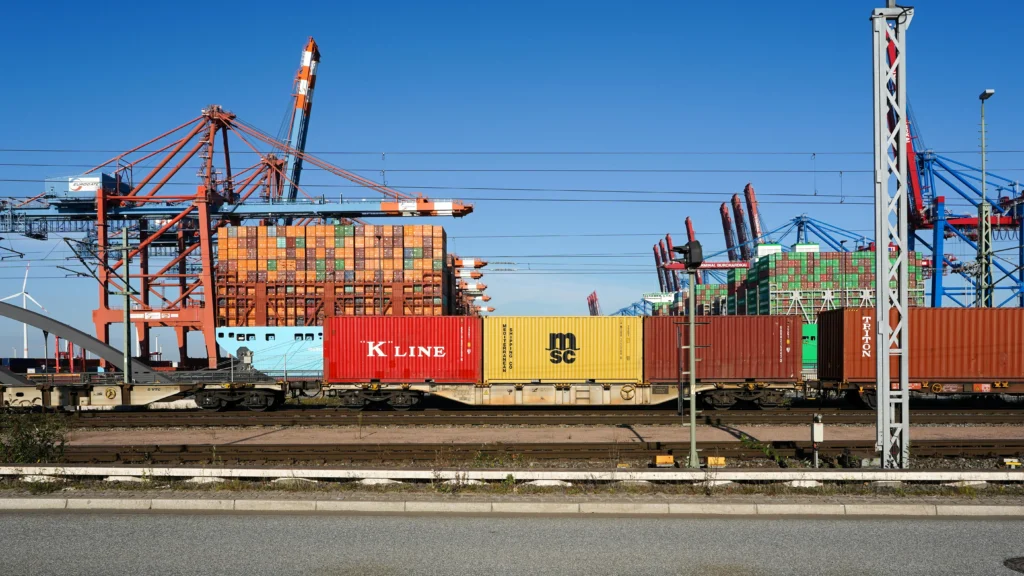
Horgos Rail Port has crossed a major logistics milestone in 2026, with more than 3,000 China-Europe and China-Central Asia freight trains passing through the gateway this year. The achievement underlines the growing strategic importance of the border hub as trade links between Asia and Europe continue to expand.
Located in Xinjiang Uygur Autonomous Region, Horgos has become one of the most significant rail crossings on the Eurasian land bridge. While the headline figures relate to freight, the wider impact reaches tourism, regional development, infrastructure growth, and cross-border connectivity.
As transport corridors strengthen, destinations linked by these routes can gain from stronger economies, better infrastructure, and rising international visibility.
Why Horgos Matters Beyond Freight
Modern tourism depends on more than airlines and hotels. It also relies on resilient trade networks, efficient border systems, and strong regional infrastructure. Freight hubs like Horgos help support these foundations by moving goods quickly across continents.
Efficient rail logistics can indirectly benefit tourism through:
- Improved regional investment
- Better supply chains for hospitality businesses
- Stronger transport infrastructure
- Greater economic confidence
- More cross-border cooperation
- Increased awareness of connected destinations
As trade routes grow, many cities along them also become more attractive for business travel, conferences, and cultural tourism.
Gateway Between China and Central Asia
Horgos sits at a strategically important point connecting China with Kazakhstan and onward to Europe. This location gives it a central role in linking East Asian manufacturing centers with markets across Central Asia and the European continent.
The port now supports dozens of international routes reaching cities and regions across multiple countries. Such connectivity helps integrate inland areas into global trade networks while reducing dependence on coastal gateways alone.
For travelers, improved inland connectivity can eventually support better rail, road, and urban development in surrounding regions.
Strong Trade Growth in Xinjiang
Official customs figures show robust foreign trade growth in Xinjiang during the opening months of the year, reflecting rising commercial activity across the region.
This is important because trade expansion often drives parallel improvements in infrastructure, warehousing, urban services, and transport facilities. Over time, these developments can also strengthen tourism readiness.
Xinjiang offers a unique mix of landscapes, Silk Road heritage, cultural diversity, desert scenery, and mountain experiences. Better logistics and connectivity can help support long-term visitor development in the region.
Smart Operations Improve Efficiency
Authorities have highlighted operational upgrades at Horgos station to manage rising cargo volumes more efficiently. One notable innovation addresses differences in railcar systems between China and Kazakhstan by transferring remaining cargo into containers and streamlining handling procedures.
The result is faster movement, reduced stockpiling, and more stable train flows.
Additional management measures include:
- Faster customs coordination
- Rolling operational reviews
- Improved dispatch planning
- Better transshipment procedures
- Higher throughput capacity
- More consistent daily train handling
Modern logistics hubs increasingly rely on technology, data, and coordination to maintain reliability under growing demand.
More Routes, More Destinations
Horgos now operates an extensive route network serving dozens of cities and regions across numerous countries. It also handles hundreds of categories of goods, showing how diversified Eurasian rail trade has become.
Cargo moving through the hub includes advanced manufacturing products, smart home appliances, clean energy components, and agricultural goods.
This diversity matters because it reflects a maturing corridor capable of supporting multiple industries rather than depending on a narrow cargo base.
A diversified transport network is often more resilient and better positioned for long-term growth.
What This Means for Europe-Asia Connectivity
As rail freight volumes rise, the Europe-Asia corridor becomes more reliable and commercially significant. Rail transport offers a valuable middle option between maritime shipping and air freight, balancing speed and cost for many products.
That growing importance can create wider benefits such as:
- Stronger business travel demand
- New logistics investment
- Better supporting infrastructure
- Increased regional employment
- Improved trade confidence
- Expanded international partnerships
Destinations connected to successful trade corridors often gain stronger economic momentum that can support tourism development.
Tourism Opportunities Along the New Silk Road
Many travelers are increasingly interested in routes shaped by history, culture, and commerce. The broader Eurasian rail corridor evokes the legacy of the ancient Silk Road, creating opportunities for themed tourism, cultural exchange, and cross-border travel experiences.
Cities across China, Kazakhstan, Central Asia, and Europe linked by modern rail networks may benefit from growing curiosity among international visitors.
As transport systems improve, future tourism products could include rail journeys, heritage itineraries, trade fairs, and multi-country overland experiences.
A Record of Sustained Growth
Authorities note that annual train volumes through Xinjiang’s rail ports have exceeded 10,000 on average for several consecutive years, while cargo throughput and train handling continue to rise.
This consistency is significant. Sustained growth suggests that the corridor is becoming a stable part of global logistics rather than a temporary trend.
For investors, transport planners, and tourism stakeholders, stable growth builds confidence in future opportunities.
Frequently Asked Questions
What is Horgos Rail Port?
It is a major border rail gateway in Xinjiang connecting China with Kazakhstan, Central Asia, and Europe.
Why is 3,000 trains important?
It shows strong demand and growing capacity on Eurasian rail corridors in 2026.
Does freight growth help tourism?
Yes. Strong logistics can support infrastructure, investment, and wider regional development.
Which regions benefit most?
China, Central Asia, and European markets connected through the corridor can all benefit.
Final Takeaway
Horgos Rail Port’s latest milestone confirms its rising importance in global connectivity. With more than 3,000 freight trains already handled this year, the gateway is strengthening trade between China, Central Asia, and Europe while creating wider economic and tourism opportunities. As Eurasian links continue to grow, Horgos is becoming far more than a freight crossing—it is a symbol of a more connected future.
For more travel news like this, keep reading Global Travel Wire