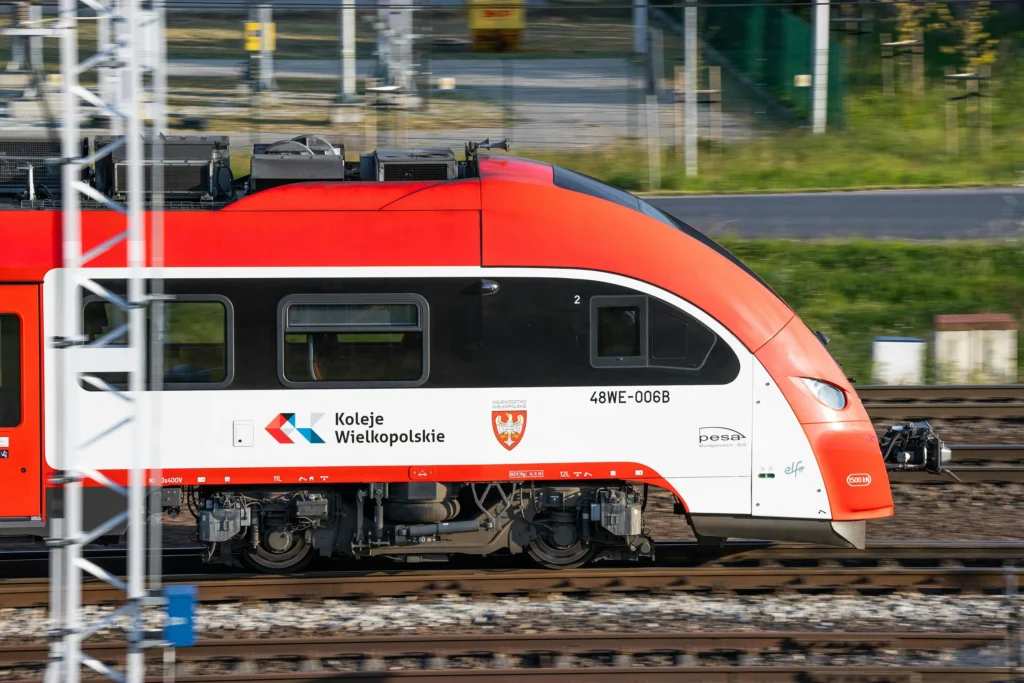
A new rail logistics project in Poland is strengthening supply chain efficiency between the Baltic coast and inland terminals, highlighting the growing role of rail in Europe’s transport future. Railtrans International has launched fuel train operations from Port of Gdynia to destinations across the country using a dedicated fleet of wagons.
The customer for the operation is part of MOL Group, expanding existing cooperation in the energy logistics sector.
Although the project is centered on freight transport, its wider significance reaches into tourism, regional development, and travel infrastructure. Efficient logistics networks support hotels, restaurants, airports, attractions, and urban services by ensuring stable movement of goods and resources across national markets.
Why Rail Freight Matters for Tourism
Tourism often focuses on airlines, hotels, and attractions, but behind every successful destination is a strong logistics system. Cities and tourism regions rely on consistent deliveries of fuel, food, retail goods, maintenance materials, and essential services.
When rail freight becomes more efficient, tourism destinations can benefit through:
- Stronger supply chains
- Better regional connectivity
- Reduced road congestion
- Lower transport emissions
- More reliable delivery schedules
- Improved business confidence
Rail freight plays an especially important role in countries with growing domestic tourism and expanding urban travel demand.
Gdynia Strengthens Its Role as a Baltic Gateway
Gdynia is one of Poland’s most important maritime gateways and a key port city on the Baltic Sea. Improved rail links from the port to inland terminals can increase cargo efficiency while supporting wider economic activity across the country.
Port cities often have a dual identity: they are both industrial gateways and attractive tourism destinations. Gdynia is known for its waterfront setting, maritime culture, beaches, and easy access to the wider Tricity region alongside Gdańsk and Sopot.
Stronger logistics performance can help such cities attract investment, improve employment, and sustain services that also benefit visitors.
How the New Project Works
The rail operation uses 50 wagons from the Railtrans Wagon fleet and focuses on moving fuel cargo from coastal unloading points to inland terminals.
Authorities and operators have highlighted several operational priorities:
- Coordinating port loading slots
- Planning reliable delivery schedules
- Managing terminal capacity
- Maintaining stable cargo flows
- Improving turnaround efficiency
These steps are essential in modern freight logistics, where timing and network coordination can determine overall success.
A well-organized rail system can move large volumes with fewer road vehicles, helping ease pressure on highways and urban roads.
Benefits for Poland’s Inland Regions
The impact of this project extends beyond the coast. Inland terminals receiving supplies can support industrial zones, transport systems, commercial centers, and growing cities throughout Poland.
Reliable inland logistics can strengthen local economies and indirectly support domestic tourism by improving infrastructure and regional business conditions.
Cities connected by efficient transport networks often become more attractive for events, conferences, leisure investment, and new hospitality development.
As Poland continues to grow as a travel destination, inland regions may increasingly benefit from stronger freight connectivity.
Sustainable Transport Gains Importance
Rail freight is widely recognized as one of the more sustainable methods of moving heavy cargo over land. Compared with large-scale road transport, rail can reduce congestion, lower emissions, and improve energy efficiency.
This matters for tourism because many destinations are working to balance visitor growth with environmental responsibility. Cleaner logistics systems can help cities and regions manage growth while protecting quality of life.
Travelers are also becoming more aware of sustainability, making greener transport infrastructure a valuable long-term advantage.
Poland’s Broader Tourism Momentum
Poland has been gaining visibility as a European destination thanks to historic cities, cultural heritage, Baltic beaches, mountain escapes, wellness tourism, and vibrant urban experiences.
Popular destinations such as Warsaw, Krakow, Gdańsk, and the Baltic coast benefit from stronger national infrastructure and modern transport systems.
While tourists may never directly see freight operations, efficient behind-the-scenes logistics help ensure smooth hospitality services, stocked retail spaces, airport readiness, and reliable public operations.
A Positive Signal for European Logistics
The project also reflects a wider European trend: greater use of rail for strategic freight movement. As fuel costs, sustainability goals, and road network pressures reshape transport choices, rail freight is gaining importance in many markets.
Cross-sector cooperation between logistics providers and industrial customers can lead to stronger resilience and better national transport planning.
For tourism economies, resilient infrastructure is a key competitive advantage.
What Travelers Can Expect Indirectly
While visitors will not book this service directly, they may experience indirect benefits such as:
- Better functioning city services
- Stronger transport infrastructure
- More sustainable destinations
- Reduced heavy road traffic in some corridors
- Improved confidence for tourism investment
Efficient logistics systems often create the foundation for better visitor experiences.
Frequently Asked Questions
What is the new Poland rail freight project?
It is a fuel transport rail service connecting Gdynia port with inland terminals across Poland.
Why is this important for tourism?
Strong logistics networks support hotels, attractions, transport systems, and local economies.
Why use rail instead of road?
Rail can move large volumes efficiently while reducing congestion and emissions.
Which area benefits most?
Both the Baltic port region and inland cities across Poland can benefit from improved supply chains.
Final Takeaway
The latest Poland rail freight project shows how modern logistics can support more than industry alone. By connecting Gdynia port with inland terminals through efficient rail transport, the initiative strengthens supply chains, supports sustainability, and reinforces the infrastructure that tourism economies depend on. For Poland’s future growth, strong freight networks and strong visitor experiences go hand in hand.