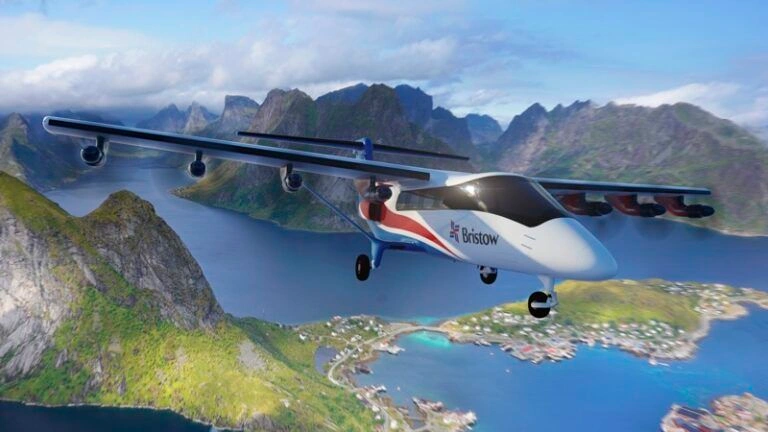
Norway is strengthening its reputation as a global aviation innovator with the launch of new hybrid-electric aircraft trials through a government-backed international test arena designed to accelerate low-emission flight. Led by state-owned airport operator Avinor and the Civil Aviation Authority of Norway, the initiative aims to speed the real-world development, regulation and deployment of cleaner aircraft technologies that could transform regional travel in the years ahead.
The latest phase focuses on hybrid-electric demonstrations that combine reduced emissions with practical operational flexibility. For travelers, especially those in remote communities, the technology could eventually deliver faster, cleaner and more efficient connections. For the wider tourism industry, it signals how aviation decarbonization may open new possibilities for sustainable access to nature-based destinations.
Major Step Toward Cleaner Air Travel
Aviation faces growing pressure worldwide to cut emissions while maintaining connectivity. Norway’s approach stands out because it is not limited to research labs or theoretical planning. Instead, emerging aircraft are being tested in operational environments using real airports, real airspace and real regulatory oversight.
That model can shorten the path from innovation to commercial use by helping authorities and manufacturers solve infrastructure, safety and operational challenges earlier.
For passengers, the long-term result could be quieter aircraft, lower-emission journeys and stronger regional route networks.
Hybrid-Electric Aircraft Demonstrations Begin
In April 2026, Norway launched its second major test project under the program, focused on hybrid-electric aircraft operations. Bristow Group and US aerospace company Electra are participating with demonstrations of an ultra-short takeoff and landing aircraft, often referred to as Ultra-STOL.
This type of aircraft is designed to operate from extremely short surfaces, expanding where flights could realistically begin and end. In the future, that may create opportunities for smaller communities, islands and remote tourism areas that cannot support traditional runway infrastructure.
Why Norway Is the Ideal Test Ground
Norway’s geography makes it a natural proving ground for next-generation aviation. Mountains, fjords, islands and dispersed populations create transport challenges that are difficult to solve with roads or ferries alone.
Aircraft capable of shorter takeoffs, lower operating emissions and flexible routing could significantly improve mobility in these environments. They may also support tourism by making hard-to-reach destinations easier to access while reducing environmental impact.
For adventure travelers, cruise passengers and nature-focused visitors, that could eventually mean more sustainable ways to reach scenic regions.
Trials Inside a Regulatory Sandbox
The demonstrations are being carried out within Norway’s regulatory sandbox, a structured framework that allows innovative technologies to be tested safely under controlled conditions.
Sandbox environments are increasingly important in transport because they let regulators gather evidence, refine rules and evaluate risk before technologies scale commercially. In aviation, where safety standards are exceptionally high, that step is essential.
The trials are expected to generate data on emissions performance, operational efficiency and how these aircraft could integrate into wider networks.
Built on Earlier Electric Flight Experience
The hybrid-electric phase follows Norway’s first electric aviation test project completed earlier in 2026. That earlier program focused on fully electric aircraft operations and provided lessons in charging infrastructure, flight management and airspace integration.
Together, the two projects create a broader knowledge base covering both all-electric and hybrid solutions. This matters because different route lengths and operating conditions may require different technologies.
Short commuter sectors may favor one model, while mixed or longer routes may benefit from another.
Benefits for Tourism and Local Economies
Cleaner regional aviation could create ripple effects across tourism. Easier access to rural destinations can support hotels, guides, restaurants and local attractions while helping spread visitor spending beyond major cities.
That is especially relevant as travelers increasingly seek authentic nature experiences, wellness escapes and lower-impact journeys.
If sustainable aircraft lower barriers to remote travel, destinations that were once harder to reach may gain new opportunities without depending on large-scale infrastructure expansion.
A Blueprint for Other Countries
Norway’s test arena may also influence aviation policy elsewhere. Governments worldwide are looking for practical ways to support cleaner transport while protecting connectivity and economic growth.
By combining airports, regulators and private companies in one coordinated ecosystem, Norway offers a model that other nations could adapt for their own regional networks.
Looking Ahead
The launch of hybrid-electric aircraft trials marks another milestone in Norway’s long-term vision for zero- and low-emission aviation. While commercial adoption will take time, the country is already building the frameworks needed for future flight.
For travelers, the promise is clear: more sustainable journeys, improved access to remote destinations and a new era of regional air travel shaped by innovation. For global aviation, Norway is showing how the future can move from concept to runway.
For more travel news like this, keep reading Global Travel Wire