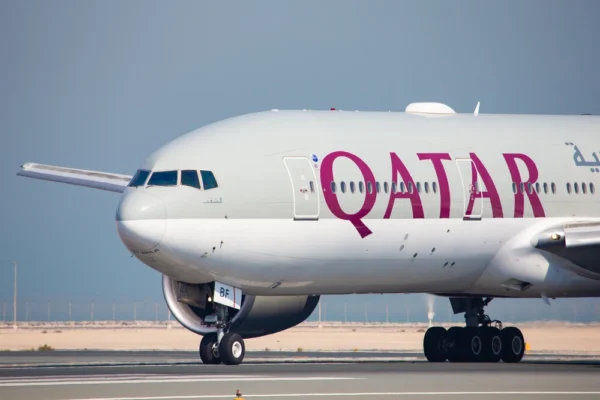
Qatar Airways has restarted key regional services to the United Arab Emirates and Syria, marking a major step forward for Middle East aviation recovery and renewed tourism growth. The return of daily flights between Doha and major UAE cities, alongside the relaunch of service to Damascus, is expected to strengthen passenger mobility, increase visitor flows, and reinforce the Gulf’s position as a leading global transit region.
The move comes as airlines across the region continue rebuilding networks after years of disruption. For travelers, it means more choice, greater flexibility, and faster access to popular leisure, business, and family travel markets. For tourism economies, it signals fresh momentum for hotels, attractions, airports, and local businesses that depend on strong air connectivity.
Daily UAE Flights Reopen a High-Demand Corridor
Qatar Airways has resumed daily operations to Dubai and Sharjah, restoring one of the busiest short-haul travel corridors in the Middle East. The reconnection between Doha and the UAE is significant because both markets serve as major centers for tourism, trade, and international transit.
Dubai remains one of the world’s most visited urban destinations, attracting leisure travelers with luxury resorts, shopping, entertainment, beaches, and major events. Sharjah adds cultural tourism appeal, family travel demand, and strong regional links. Daily frequencies between these cities and Doha are likely to drive quick increases in weekend breaks, business trips, and onward long-haul connections.
The restored services also give passengers more alternatives as travelers increasingly seek efficient transfer options through modern Gulf hubs rather than congested long-haul gateways elsewhere.
Damascus Returns to the Regional Flight Map
The relaunch of flights to Damascus is one of the most symbolic aviation developments in the region this year. After prolonged disruption, the return of commercial connectivity opens new possibilities for family reunions, essential travel, and gradual tourism re-engagement.
For the travel industry, the route has both practical and long-term significance. It reconnects Syria to a major international hub and creates future opportunities for cultural tourism linked to heritage sites, history, and religious travel, subject to evolving travel conditions and market confidence.
For hotels, tour planners, and transport providers, renewed access can help support local economic activity over time as travel demand gradually rebuilds.
Doha Strengthens Its Position as a Global Gateway
The latest route resumptions reinforce Doha’s role as one of the world’s most strategically placed aviation hubs. Positioned between Europe, Asia, and Africa, the city has become increasingly important for travelers seeking seamless one-stop journeys across continents.
Qatar Airways has also signaled broader expansion plans across its international network, reflecting confidence in sustained passenger demand.
As more routes return, Doha benefits from stronger transfer traffic, higher airport spending, and growing demand for stopover tourism. Travelers with longer layovers often choose hotel stays, city tours, dining experiences, and retail visits, generating wider economic value beyond the airport itself.
Flexible Booking Policies Support Traveler Confidence
To encourage bookings during a still-changing travel environment, the airline has introduced flexible travel measures allowing eligible passengers to modify plans without penalties, subject to fare conditions and availability. Refund options also remain available, although processing times may vary.
Flexible policies have become an important driver of travel recovery. Many passengers now prioritize airlines that offer reassurance if schedules change unexpectedly. By reducing booking risk, carriers can stimulate demand faster and encourage earlier reservations for both leisure and corporate travel.
For the wider tourism sector, this confidence effect can support hotels, destination attractions, cruise extensions, and package holidays linked to regional flights.
Why Middle East Hubs Are Gaining Ground
The return of these routes also reflects a wider shift in global travel behavior. Travelers are increasingly drawn to airports that combine modern infrastructure, efficient transfers, competitive schedules, and broad destination networks.
Many Middle Eastern hubs have invested heavily in passenger experience, digital services, and rapid expansion. As a result, they are capturing greater market share in long-haul transit traffic while also strengthening regional tourism flows.
For passengers, this often means shorter connection times, newer fleets, and more route choices. For destinations, it means better access to high-value international visitors.
Tourism Benefits Spread Across the Region
Renewed air connectivity typically creates immediate benefits for visitor economies. More flights can lead to higher hotel occupancy, stronger restaurant demand, increased retail spending, and busier attractions.
The reopening of routes to Dubai, Sharjah, and Damascus also supports multi-destination travel. Visitors can combine city breaks, beach escapes, heritage experiences, and business meetings within one regional itinerary. That trend is especially valuable for long-haul travelers seeking more experiences in a single trip.
Tourism boards across the Middle East are likely to welcome the added capacity as they compete for visitors in an increasingly dynamic global market.
Cautious Optimism Remains Essential
Despite the positive outlook, travelers are still being advised to monitor official airline updates and entry requirements before departure. Schedules may change because of operational, regulatory, or airspace factors, making flexibility and up-to-date travel documents essential.
That balance of optimism and caution defines today’s travel landscape.
A New Phase for Regional Aviation
The restart of Qatar Airways services to the UAE and Syria is more than a routine network update. It is a clear signal that Middle East travel demand is accelerating, confidence is returning, and regional connectivity is entering a stronger new phase.
For tourists, businesses, and destinations alike, the benefits of that momentum could be felt well beyond the runway.
For more travel news like this, keep reading Global Travel Wire