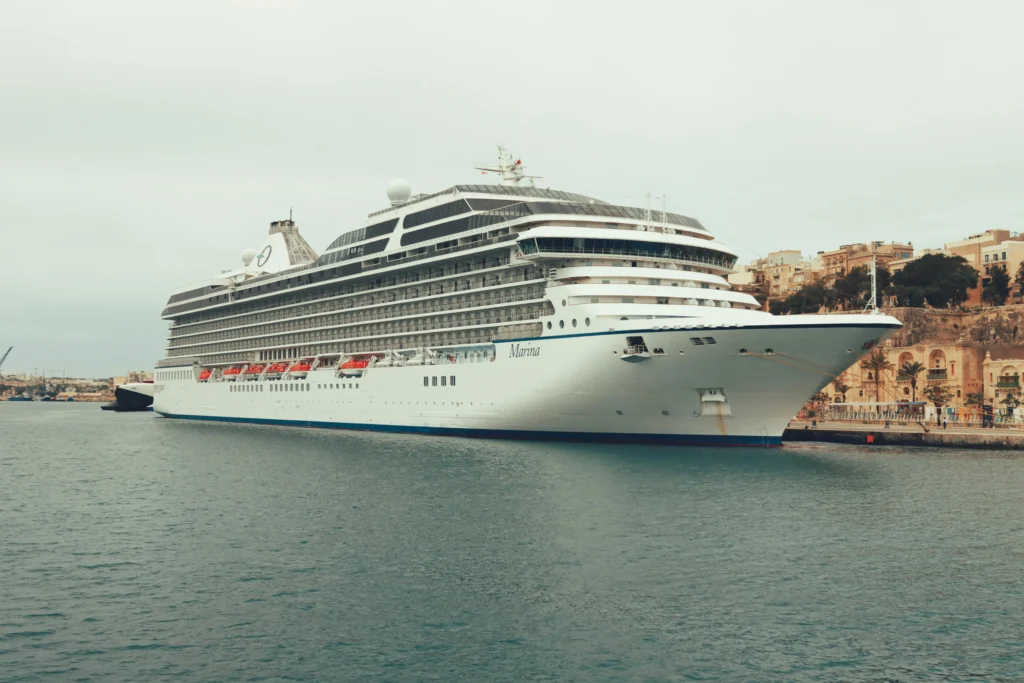
Seychelles is taking a major step toward the future of cruise tourism by adopting a stronger strategy centered on sustainability, local economic gains, and responsible visitor management. After a detailed two-year review process carried out by Tourism Seychelles in partnership with the United Nations Economic Commission for Africa, new findings have been presented to government leaders to help guide the next phase of cruise development.
The study confirms that cruise tourism already provides meaningful economic benefits for the island nation, including employment opportunities, visitor spending, and business growth. At the same time, it highlights the need to carefully manage environmental pressures, infrastructure demands, and community wellbeing as cruise arrivals increase.
For Seychelles, the message is clear: growth alone is not enough. The future of cruise tourism must create higher value, stronger local participation, and better protection of the country’s world-famous natural environment.
Cruise Tourism Remains Important for Seychelles
Tourism is one of the most important pillars of the Seychelles economy, and cruise travel adds another valuable layer to that success. Cruise visitors bring demand for shore excursions, transport, dining, handicrafts, local guides, and cultural experiences during their time on the islands.
Even short port calls can generate economic activity across multiple sectors. Taxi drivers, tour operators, restaurants, souvenir businesses, marine excursion companies, and community attractions all benefit when ships arrive.
Cruise tourism also helps raise the international profile of Seychelles as a premium island destination. Many cruise passengers later return as longer-stay visitors after experiencing the destination for the first time during a voyage.
This makes the cruise sector strategically important not only for direct spending, but also for long-term destination marketing and repeat visitation.
Study Highlights Need for Better Balance
While the economic value of cruise tourism is clear, the new review also emphasizes the importance of balancing growth with sustainability.
High-volume visitor arrivals can place pressure on roads, ports, public services, and local attractions. Popular areas may experience crowding during peak arrival periods, while marine ecosystems can face stress if tourism activity is not carefully managed.
For an island destination known for pristine beaches, coral reefs, biodiversity, and natural beauty, environmental stewardship is essential. Protecting these assets is not only a conservation issue but also a tourism priority, since nature is one of the main reasons travelers choose Seychelles.
The findings suggest that long-term success depends on managing cruise numbers, improving systems, and ensuring tourism growth does not come at the expense of quality of life for residents or the visitor experience.
Keeping More Tourism Revenue in the Local Economy
One of the most important conclusions from the study is the need to retain more cruise passenger spending within the domestic economy.
In many cruise destinations worldwide, a large share of tourism revenue can leave the local market through imported goods, overseas operators, or external service providers. Seychelles now wants to strengthen local linkages so that more economic value reaches island businesses and communities.
This can be achieved by expanding opportunities for local tour companies, craft producers, food suppliers, transport operators, cultural performers, and small enterprises.
When more residents participate directly in the cruise value chain, tourism becomes more inclusive and creates broader social benefits.
For small island economies, maximizing local retention of tourism spending can be just as important as increasing visitor numbers.
Infrastructure Upgrades Planned
To support a higher-value cruise model, the strategy outlines the need for upgraded port infrastructure and improved visitor facilities.
Modern cruise tourism depends on efficient ports, smooth passenger flows, reliable transport connections, quality terminals, and safe operational systems. Cruise lines also look for destinations that can provide excellent guest experiences from the moment travelers disembark.
Improved infrastructure can help Seychelles handle arrivals more efficiently while reducing congestion and enhancing comfort for both visitors and residents.
Investments may also support better environmental management systems, including waste handling, water protection, and monitoring tools that help authorities track tourism impacts over time.
For premium destinations like Seychelles, infrastructure quality plays a major role in maintaining brand reputation.
Stronger Environmental Safeguards
Seychelles has built its global tourism identity around natural beauty and conservation leadership. Any future cruise strategy therefore requires strong environmental safeguards.
The new framework calls for enhanced protections that support marine ecosystems, coastal areas, and sustainable destination planning. Better monitoring systems can help policymakers understand carrying capacity, visitor movement, and environmental pressure points.
Responsible cruise growth may include measures such as controlled scheduling, improved shore management, eco-friendly practices, and partnerships with operators committed to sustainability.
Travelers increasingly value destinations that protect nature and operate responsibly. By placing sustainability at the center of cruise planning, Seychelles can strengthen its appeal among environmentally conscious visitors.
Better Governance and Long-Term Investment
The strategy also recommends a multi-level governance structure to improve coordination across government agencies, tourism bodies, port authorities, and private sector partners.
Cruise tourism involves many moving parts, from transport and customs to excursions, safety, conservation, and community engagement. Strong coordination helps ensure that all stakeholders work toward common goals.
Long-term investment requirements have also been identified, with funding expected from a mix of public finance, partnerships, development support, and industry contributions.
This collaborative approach can help Seychelles modernize the sector while sharing both responsibility and opportunity across multiple partners.
Why This Matters for Global Tourism
Seychelles’ new direction reflects a broader shift taking place across global tourism. Destinations are moving away from measuring success only by arrival numbers and focusing more on value, sustainability, and community benefit.
For islands and environmentally sensitive destinations, this transition is especially important. Managing tourism carefully can protect natural resources, improve visitor satisfaction, and create stronger long-term returns.
Seychelles is showing that cruise tourism can be both profitable and responsible when supported by smart planning and clear priorities.
Its approach may offer useful lessons for other destinations seeking to grow tourism without compromising the very assets that make them attractive.
Outlook for Seychelles Cruise Tourism
With a clear strategy, stronger governance, and a commitment to sustainability, Seychelles is well positioned to shape a premium cruise future. The country’s goal is not simply to welcome more ships, but to create better outcomes for residents, businesses, visitors, and the environment.
As demand grows for meaningful and eco-conscious travel, Seychelles can stand out as a destination that values quality over volume.
If successfully implemented, the new cruise strategy could strengthen the islands’ reputation as one of the world’s leading examples of sustainable cruise tourism.
For more travel news like this, keep reading Global Travel Wire