Egypt is set to host one of the most significant tourism leadership gatherings of 2026 as the World Travel & Tourism Council (WTTC) prepares to bring together senior travel executives, ministers and policymakers for a high-level recovery summit focused on the future of global tourism.
The three-day programme, scheduled for May 2026, will take place in partnership with the Egyptian government aboard the Crystal Serenity during its transit through the Suez Canal. The event is expected to create an important platform for dialogue on tourism recovery, investment opportunities, destination resilience and international cooperation at a time when global travel markets continue to adapt to economic and geopolitical challenges.
Egypt Strengthens Role as Global Tourism Hub
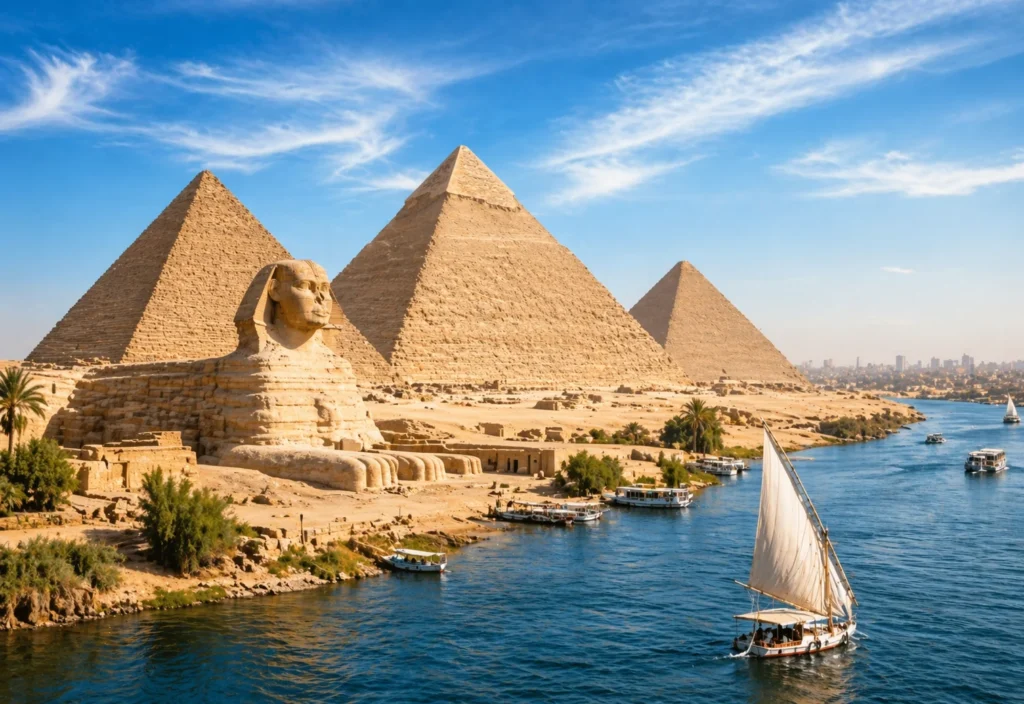
The decision to host the summit in Egypt highlights the country’s growing importance in international tourism. With world-famous heritage sites, Red Sea beach resorts, Nile cruise tourism and expanding infrastructure, Egypt has positioned itself as one of the leading destinations in the Middle East and North Africa.
According to official figures from Egypt’s Ministry of Tourism and Antiquities, the country has continued investing in tourism development, airport modernization, hospitality expansion and cultural preservation. These efforts are part of a wider strategy to increase visitor arrivals, diversify tourism products and attract higher-spending travelers.
Hosting global tourism leaders aboard a vessel crossing the Suez Canal also places attention on one of Egypt’s most strategic landmarks. The canal remains one of the world’s most important maritime routes and a symbol of Egypt’s role in connecting continents, trade and travel.
Global Leaders to Discuss Travel Recovery Strategies
The WTTC summit is expected to gather representatives from Egypt, Saudi Arabia, the United Arab Emirates, Europe and Latin America. Discussions will focus on practical solutions to support tourism recovery and strengthen long-term sector growth.
Key agenda topics are expected to include:
- Policies to accelerate international visitor confidence
- Workforce shortages and tourism employment solutions
- High-value tourism development
- Destination management and sustainability
- Investment in hospitality and visitor infrastructure
- Stronger collaboration between governments and private companies
Tourism remains one of the world’s largest economic sectors, supporting millions of jobs and businesses across airlines, hotels, transport, attractions and local communities. For many destinations, restoring tourism performance is directly linked to national economic growth and employment.
Why Travel Recovery Matters in 2026
Although international tourism has shown strong progress in recent years, several regions continue to face disruption caused by geopolitical uncertainty, rising operating costs and changing traveler behavior. Industry leaders increasingly agree that recovery now depends not only on visitor numbers, but also on resilience, sustainability and smart planning.
Government tourism authorities worldwide have introduced policies aimed at improving connectivity, supporting businesses and promoting safe travel. These measures include visa reforms, route development incentives, digital visitor services and targeted marketing campaigns.
The WTTC event in Egypt is expected to support these efforts by encouraging joint action between policymakers and private sector decision-makers. Tourism experts widely recognize that coordinated strategies can help destinations recover faster and remain competitive in a rapidly evolving market.
Egypt’s Tourism Vision Gains International Spotlight
The summit also offers Egypt an opportunity to showcase its long-term tourism ambitions. The country has launched major heritage restoration projects, museum openings, hotel investments and transport upgrades in recent years.
Official tourism campaigns have highlighted both iconic attractions and emerging destinations. Alongside the Pyramids of Giza, Luxor, Aswan and Cairo, Egypt continues to promote coastal tourism in Sharm El Sheikh, Hurghada, Marsa Alam and the Mediterranean coast.
New tourism zones, cruise developments and hospitality projects are expected to play an important role in Egypt’s future visitor growth. By hosting global industry leaders, Egypt can further strengthen confidence among investors, airlines and travel businesses.
Public and Private Partnership in Focus
One of the strongest themes of the upcoming summit is expected to be the need for closer cooperation between governments and businesses. Tourism growth often depends on both sides working together to improve infrastructure, marketing, service quality and regulation.
Governments create the framework through transport networks, visa systems, safety standards and destination planning. Private companies bring innovation, investment, jobs and visitor experiences. When these efforts align, destinations are better positioned to compete internationally.
The WTTC has consistently emphasized that tourism recovery is fastest when public and private sectors act together. Egypt’s hosting of this event demonstrates how collaborative leadership can support regional and global progress.
Suez Canal Setting Adds Symbolic Value
Holding the summit aboard a cruise vessel traveling through the Suez Canal adds symbolic significance to the event. The canal has long represented movement, connection and global exchange. For tourism leaders discussing recovery, growth and international partnerships, the location reinforces the importance of open routes and global cooperation.
Cruise tourism itself remains an important segment of international travel, generating spending in ports, excursions, hospitality and local services. Egypt has continued working to expand cruise opportunities through Red Sea and Mediterranean ports, as well as Nile river cruising.
Positive Outlook for Global Tourism
Industry forecasts remain optimistic about long-term tourism growth, especially in destinations that invest in quality infrastructure, sustainable experiences and modern visitor services. Demand for cultural travel, wellness tourism, luxury escapes and experiential journeys continues to rise.
Egypt is well positioned to benefit from these trends thanks to its unique mix of history, climate, coastline and accessibility. The WTTC summit could further strengthen the country’s profile as both a leading destination and a strategic voice in shaping the future of travel.
What This Means for Travelers and Businesses
For travelers, stronger recovery strategies can mean better connectivity, improved services and more diverse holiday choices. For tourism businesses, it creates opportunities for expansion, partnerships and renewed confidence.
As world leaders gather in Egypt this May, the message is clear: tourism remains one of the most resilient global industries, and collaboration will be the key to unlocking its next phase of growth.
For more travel news like this, keep reading Global Travel Wire