Capital Jazz and its owner, Clifford Hunte, are facing consumer protection charges in Maryland after more than 100 passengers were allegedly left without refunds following the cancellation of the 2026 SuperCruise. State authorities say at least 103 customers are still owed a combined $642,240 for the canceled Caribbean music charter, triggering a new legal battle over one of the most high-profile themed cruise disputes in recent years.
The case has been brought by Maryland Attorney General Anthony G. Brown, whose office also alleges that Capital Jazz breached a previous settlement tied to earlier refund complaints. For affected travelers, the legal action offers fresh hope that long-awaited repayments may finally be recovered after months of uncertainty and financial losses.
The dispute also raises wider questions about consumer confidence in specialty cruise charters and event-based travel experiences.
What Happened to the 2026 SuperCruise
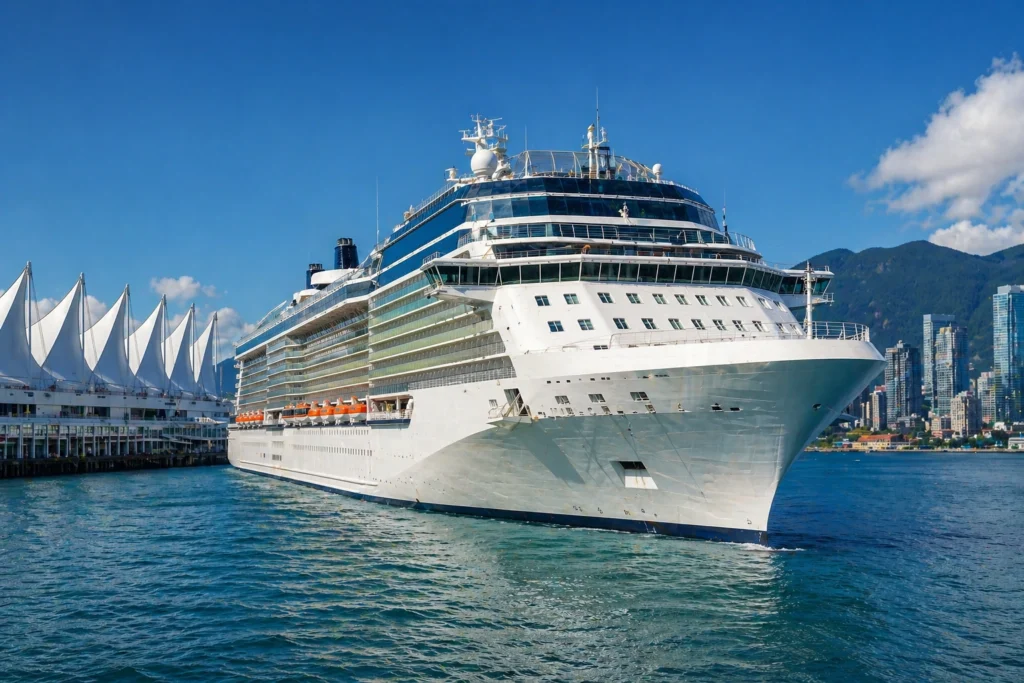
The Capital Jazz SuperCruise was scheduled to sail from March 22 to 29, 2026, aboard MSC Divina on a Caribbean itinerary. According to the complaint, MSC Cruises ended its charter agreement with Capital Jazz in November 2025 after required payments were not made, even as customer payments for the trip allegedly continued to be collected.
Many travelers had already paid for cabins and made related travel arrangements including flights, hotel stays, and transfers before learning the cruise would not go ahead.
For some passengers, the financial impact extended well beyond the cruise fare itself.
State investigators say 103 customers have so far been identified as awaiting refunds, though the final number of affected travelers may rise if more complaints are filed.
Maryland’s Legal Action
The Maryland Consumer Protection Division has filed a Statement of Charges alleging violations of the Maryland Consumer Protection Act as well as non-compliance with an earlier settlement agreement.
Authorities say Capital Jazz previously agreed to refund customers tied to canceled 2021 and 2022 SuperCruises and to purchase cancellation insurance for future events. The state now claims required penalty and restitution payments stopped, while customers from the canceled 2026 voyage were also left unpaid.
A hearing has been scheduled for July 21, 2026, before the Maryland Office of Administrative Hearings, where an administrative law judge will review the allegations.
The outcome could determine restitution orders, penalties, and future obligations.
Third Cancellation in Five Years
The latest dispute marks the third canceled SuperCruise in a five-year period. Earlier cancellations in 2021 and 2022 were linked to the pandemic and the disruption of large-scale events.
Those cases also resulted in investigations and settlements. According to the provided information, Royal Caribbean refunded more than $1.3 million to customers in March 2024 in a separate agreement involving earlier SuperCruise sailings. Later, Capital Jazz and Clifford Hunte agreed to return nearly $60,000 to travelers who had not been fully reimbursed for the 2021 and 2022 events.
Despite those steps, the new cancellation has revived concerns about financial protections for customers booking event-charter travel.
Why This Matters for Cruise Travelers
Themed cruises have become a fast-growing niche within the global cruise industry, combining entertainment, music, wellness, sports, or fan communities with traditional sailings. These voyages often command loyal repeat customers and premium pricing because of their exclusive onboard experiences.
However, many such events operate through charter promoters rather than direct bookings with cruise lines. That structure can create confusion for travelers about who is responsible when a sailing is canceled or delayed.
The Capital Jazz case highlights the importance of understanding booking terms, refund policies, and the role of organizers versus cruise operators before making payment.
For consumers, it is a reminder that not all cruise bookings carry identical protections.
Impact on Brand Trust and Future Bookings
Capital Jazz has built a long-running reputation through music events and festivals, including its annual jazz festival in Maryland. But repeated cancellations and refund disputes can significantly damage customer trust, especially in travel products built around loyal communities and repeat attendance.
In the wider market, negative headlines around unpaid refunds may make travelers more cautious when booking specialty charters, leading to stronger demand for transparent protections, escrow safeguards, and cancellation coverage.
That could ultimately reshape how event cruises are marketed and sold.
What Affected Passengers Should Do
Maryland officials are urging anyone still owed money from the canceled 2026 SuperCruise to contact the Consumer Protection Division and submit documentation such as booking confirmations, payment records, and communications about the cancellation.
Such records may support future restitution claims or legal findings.
What Comes Next
As the July hearing approaches, affected passengers will be watching closely. For many, the case is not just about one canceled holiday—it is about recovering thousands of dollars and restoring trust in a travel experience they once looked forward to.
For the cruise industry, it is another reminder that consumer protection remains as important as the voyage itself.
For more travel news like this, keep reading Global Travel Wire