India’s fast-changing tourism landscape is set for another major milestone as JW Marriott prepares to debut in the Mathura region with a new luxury resort in Kosi Kalan. Scheduled to open in January 2029, the upcoming JW Marriott Kosi Kalan Resort & Spa is expected to transform a well-known highway stop into a premium destination for leisure, wellness, weddings, and spiritual travel.
Located near the culturally significant cities of Mathura and Vrindavan, the new development reflects a growing trend in Indian tourism where global hotel brands are expanding beyond major metros and traditional resort markets. With domestic travel demand rising and spiritual destinations attracting more upscale visitors, Kosi Kalan is poised to enter a new era of hospitality growth.
The project also signals stronger confidence in India’s secondary destinations, where improved infrastructure and changing traveler preferences are creating fresh opportunities for luxury tourism.
A Strategic Location Near Mathura and Vrindavan
Kosi Kalan sits along the busy Delhi–Agra corridor, one of northern India’s most important travel routes. For years, the town has been viewed primarily as a convenient rest point for travelers heading between Delhi, Agra, Mathura, and other nearby destinations.
That role may soon change.
Its location within the Braj region places it close to Mathura, revered as the birthplace of Lord Krishna, and Vrindavan, one of India’s most visited spiritual centers. These destinations attract pilgrims, cultural travelers, international visitors, and families throughout the year.
By bringing a luxury international brand to this area, the region gains a stronger hospitality offering that can encourage longer stays rather than short stopovers.
Why This Matters for Tourism
Tourism patterns in India are evolving rapidly. Travelers increasingly want more than standard hotel stays. They are seeking meaningful experiences connected to heritage, wellness, privacy, and regional culture.
The new JW Marriott resort aligns with that demand by offering a premium stay close to one of India’s most spiritually significant destinations. It also supports the wider trend of “destination-led travel,” where people choose locations based on experience rather than only convenience.
For the Mathura region, this could bring several tourism benefits:
- Longer visitor stays
- Higher tourism spending
- Growth in premium travel segments
- Stronger destination visibility
- Increased demand for local services and attractions
Luxury hotels often act as catalysts, encouraging further investment in transport, retail, dining, and tourism infrastructure.
A 14-Acre Luxury Resort Experience
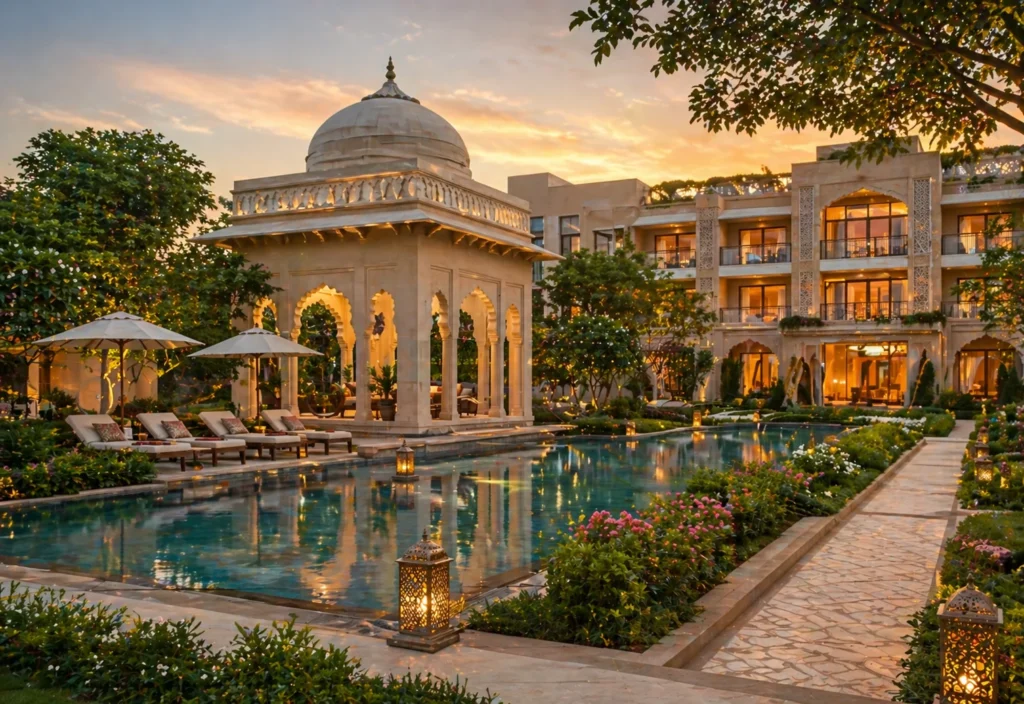
According to development plans, the resort will span 14 acres and feature 151 rooms, suites, and villas. Some accommodations are expected to include private pools, appealing to travelers seeking exclusivity and relaxation.
The scale of the project indicates that it is being designed as a full destination resort rather than simply an overnight hotel. This is increasingly important in the luxury market, where guests often expect immersive experiences without needing to leave the property.
The JW Marriott brand is globally associated with calm, elegant spaces focused on wellness and thoughtful luxury. That positioning could resonate strongly in a region known for reflection, spirituality, and cultural depth.
Wellness and Family Travel at the Core
Wellness tourism is one of the fastest-growing sectors in travel, and the new resort is expected to make wellness a central part of the guest experience.
Planned amenities include:
- Spa by JW
- Fitness center
- Multiple swimming pools
- Children’s club
- Recreational spaces
- Relaxation zones
This broad mix allows the property to target multiple traveler types, including couples, families, spiritual visitors, and wellness seekers.
For families visiting Mathura and Vrindavan, access to premium child-friendly facilities could make the region more attractive for longer vacations.
For couples and solo travelers, the combination of privacy, luxury, and cultural access offers a new style of getaway in northern India.
Dining and Lifestyle Appeal
Modern luxury resorts increasingly compete through food and lifestyle experiences, and the Kosi Kalan project is expected to include multiple dining venues, specialty restaurants, lounge spaces, and a rooftop pool bar.
This is important because many travelers now choose resorts where dining itself is part of the experience. Premium culinary options can also attract local residents, wedding guests, and day visitors, helping integrate the property into the regional hospitality scene.
A strong food and beverage offering can significantly enhance destination reputation and guest satisfaction.
Big Opportunity in Weddings and Events
One of the most significant opportunities for the resort may come from India’s booming wedding and MICE sectors.
Destination weddings continue to grow as couples seek scenic, culturally rich venues beyond crowded city hotels. The Mathura region offers heritage appeal, spiritual significance, and strong road connectivity from Delhi and surrounding states.
The planned event infrastructure includes:
- 950 square meters of indoor meeting space
- Nearly 2,400 square meters of outdoor lawns
- Dedicated bridal facilities
- Large-scale celebration capacity
This positions the resort to attract weddings, conferences, incentive travel groups, and social events.
The combination of luxury accommodation and large event spaces can create year-round demand beyond leisure tourism alone.
Better Connectivity Supports Growth
Accessibility is a major reason secondary destinations are rising. Kosi Kalan benefits from road and rail links, with Delhi’s Indira Gandhi International Airport within driving distance. The upcoming Noida International Airport is also expected to improve access further for domestic and international travelers.
As transport networks improve, travelers become more willing to choose destinations outside major cities. Reduced travel time combined with premium hospitality can unlock strong new demand.
This shift is reshaping tourism across India, where smaller cities and culturally rich regions are becoming more competitive.
A Bigger Trend in Indian Hospitality
The arrival of JW Marriott in Kosi Kalan reflects a national movement in hotel development. Global brands are no longer focusing only on Delhi, Mumbai, Bengaluru, Goa, or Jaipur. Instead, they are identifying destinations where emotional connection, cultural value, and domestic demand can support premium travel.
Spiritual tourism, wellness escapes, family retreats, and destination celebrations are all growing categories. Secondary cities with strong identity and improving infrastructure are natural beneficiaries.
Kosi Kalan now joins that conversation.
Looking Ahead to 2029
When the resort opens in January 2029, it may redefine how travelers view the Mathura region. Instead of being just a gateway to nearby attractions, Kosi Kalan could become a destination in its own right.
For Marriott, the project expands its premium footprint in India. For the region, it brings international visibility and new economic potential. For travelers, it promises a fresh luxury option blending comfort, culture, and wellness in one of India’s most meaningful landscapes.
The upcoming JW Marriott Mathura region resort could become one of the most important hospitality openings in North India’s next tourism chapter.