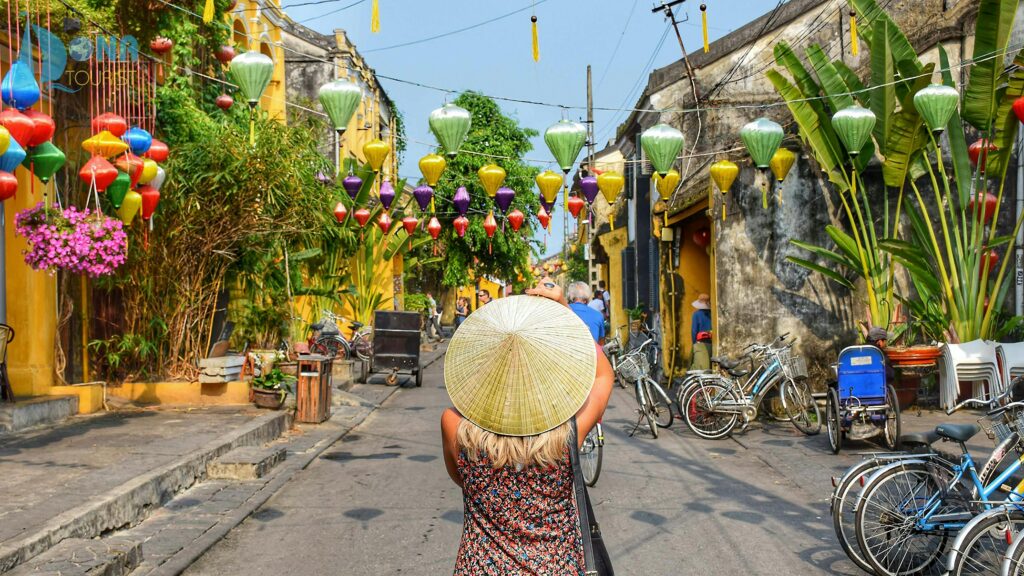
Southeast Asia destinations continue to strengthen its position as one of the world’s most dynamic travel regions, with tourism authorities across the region reporting rising visitor demand, expanded air connectivity and renewed investment in visitor experiences. From tropical coastlines to heritage cities and volcanic landscapes, the region offers extraordinary diversity within relatively short flight times.
Official tourism strategies in 2026 are focusing on sustainable growth, longer visitor stays and wider regional dispersal beyond traditional gateway cities. For travelers planning their next escape, five standout destinations are drawing global attention for all the right reasons.
Bali, Indonesia: Island Escapes Beyond the Postcard
Indonesia’s tourism authorities continue to position Bali as a premium leisure destination while encouraging visitors to explore lesser-known parts of the island. While famous beaches and luxury resorts remain major draws, the island’s broader appeal lies in its mix of culture, wellness, nature and culinary travel.
New and upgraded hospitality offerings are supporting demand from long-haul markets, while airlines continue to expand capacity into Bali’s international gateway. For travelers, this means easier access and a wider range of accommodation choices—from boutique villas to large beachfront resorts.
Beyond the south coast, travelers are increasingly exploring rice terraces, inland retreats and community-based tourism experiences. This shift helps distribute tourism spending across the island while giving visitors a deeper connection to local traditions.
Phuket, Thailand: Beaches, Lifestyle and Strong Air Links
Thailand remains one of the region’s strongest tourism performers, and Phuket continues to play a central role in that success. The island combines established resort infrastructure with strong global brand recognition, making it one of Southeast Asia’s easiest leisure destinations for first-time visitors.
Tourism planners have focused on quality experiences, marine tourism management and year-round events that keep arrivals flowing beyond peak holiday periods. Airlines serving Thailand have also increased route options, improving access from Europe, the Middle East and Asia-Pacific markets.
For visitors, Phuket offers more than beach holidays. Luxury spas, yacht charters, family resorts, island-hopping excursions and vibrant dining scenes are expanding the destination’s appeal across multiple traveler segments.
Hotels and tourism operators also benefit from repeat visitation, as many travelers return for longer stays or combine Phuket with other Thai destinations.
Da Nang, Vietnam: Coastal Growth Meets Urban Energy
Vietnam’s tourism sector has continued its rapid rise, and Da Nang is emerging as one of the country’s most exciting leisure cities. Positioned between beaches, mountains and cultural landmarks, the city has become a strategic tourism hub supported by airport growth and modern infrastructure.
Official tourism promotion has highlighted Da Nang’s blend of relaxation and activity. Travelers can enjoy long beachfront stretches by day and a lively urban atmosphere after sunset, with markets, restaurants and entertainment venues driving overnight spending.
The city also serves as a convenient base for exploring nearby heritage attractions and scenic landscapes. This makes Da Nang especially attractive for travelers seeking variety without long domestic transfers.
The hotel sector has responded with new international brands, serviced apartments and upscale resorts, while meeting and events tourism is adding another layer of demand outside the traditional holiday market.
Siem Reap, Cambodia: Heritage Travel With New Energy
Cambodia’s tourism recovery strategy has placed strong emphasis on cultural tourism, and Siem Reap remains the country’s flagship destination. Home to one of the world’s most celebrated archaeological treasures, the city continues to attract travelers seeking meaningful, history-rich experiences.
Authorities have also worked to improve infrastructure, airport access and destination services to enhance the visitor journey. These improvements are helping extend stays and encourage higher visitor spending beyond monument visits alone.
Today’s Siem Reap experience includes arts districts, local crafts, culinary tourism and wellness offerings alongside iconic temple exploration. This broader tourism mix supports local businesses and creates more reasons for travelers to stay multiple nights.
For hotels and tour operators, the destination’s appeal spans luxury travelers, cultural explorers, family groups and educational travel markets.
Langkawi, Malaysia: Nature, Duty-Free Shopping and Relaxed Luxury
Malaysia continues to diversify its tourism offer, and Langkawi stands out as a destination where nature and comfort meet. Known for island scenery, marine environments and relaxed resort stays, Langkawi appeals to travelers looking for a slower pace without sacrificing quality experiences.
Tourism development has focused on eco-tourism, island conservation and premium hospitality. Visitors can combine beach time with mangrove cruises, cable car experiences, geological parks and wellness retreats.
The destination also benefits from domestic and regional connectivity, making it attractive for short breaks as well as longer holidays. Duty-free shopping adds another competitive advantage, especially for regional visitors.
For the hospitality sector, Langkawi’s balanced mix of family travel, honeymoon demand and upscale leisure stays supports steady year-round performance.
Why Southeast Asia Is Winning Global Travelers
What makes these five destinations especially powerful in 2026 is not just scenery—it is accessibility, value and variety. Travelers can move between islands, cities and heritage zones with relative ease, often within a single trip.
Tourism boards across the region are also investing in sustainability, digital services and diversified visitor experiences. That creates better journeys for travelers while helping local communities share in tourism growth.
Airlines, hotels and tour operators are likely to benefit as multi-country itineraries become more popular. For travelers, the result is simple: more choice, better connectivity and unforgettable experiences.
For anyone planning their next international holiday, these Southeast Asia destinations are more than beautiful places to visit—they are the kind of journeys that can genuinely blow your mind.