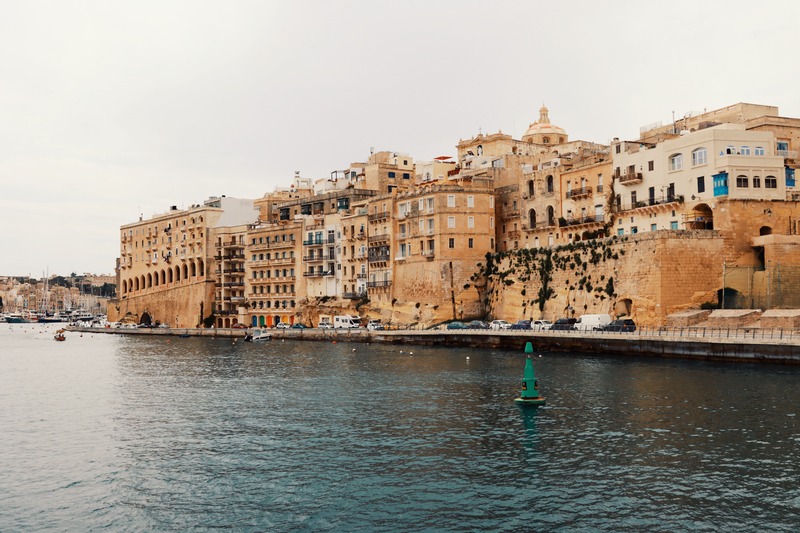
Malta has secured a major vote of confidence from the international travel industry, with members of the World Travel & Tourism Council (WTTC) committing US$2 billion in new investment to the Mediterranean destination. Announced during the WTTC Global Summit in Valletta, the commitment signals growing private-sector interest in Malta’s tourism potential as the country looks to build on strong visitor demand and expand its appeal to international travellers.
The announcement comes at a time when Malta tourism investment is gaining momentum, supported by rising visitor spending and the sector’s growing contribution to the national economy. The proposed investment is expected to support accommodation, infrastructure, transport connectivity and new visitor experiences, potentially opening opportunities for businesses and workers across the island. However, individual projects, investor allocations and spending schedules have not yet been disclosed.
WTTC Summit Puts Malta in the Investment Spotlight
The announcement was made during the WTTC’s 26th Global Summit in Valletta, which brought together more than 1,000 delegates, including over 200 leading travel and tourism executives and government representatives. The gathering gave Malta an opportunity to present its tourism ambitions directly to influential international businesses. For a destination where travel and hospitality play a significant economic role, attracting long-term private investment is an important part of maintaining competitiveness and improving the visitor experience. WTTC Chairman Manfredi Lefebvre said the commitment reflects members’ confidence in Malta’s government and the country’s potential. He highlighted the importance of strengthening infrastructure, connectivity and visitor services to support continued tourism growth.
WTTC President and CEO Gloria Guevara also pointed to cooperation between government and industry as a way to unlock investment, support employment and strengthen the destination’s international position.
The commitment is intended to benefit several parts of the visitor economy. Nevertheless, WTTC has not published a detailed breakdown of the US$2 billion or identified how much funding will go towards hotels, transport facilities, attractions or other tourism-related developments.
Malta’s Tourism Economy Shows Strong Growth
The investment announcement follows a strong performance by Malta’s travel and tourism sector. According to WTTC’s latest Economic Impact Research, the industry is forecast to contribute US$4.9 billion to the country’s economy in 2026, equivalent to 16.9% of gross domestic product (GDP). The sector is also expected to support more than one in five jobs nationwide. Malta recorded a 16.8% increase in travel and tourism’s GDP contribution in 2025, the highest annual growth among European economies, according to WTTC. International visitor spending also rose sharply, reinforcing the country’s appeal to tourism businesses and investors.
These figures strengthen the case for further development, particularly in accommodation, visitor attractions and services that encourage travellers to stay longer and spend more. Investment could also create opportunities for local suppliers, construction companies, transport operators and hospitality businesses, depending on which projects move forward.
However, the US$2 billion commitment should not be treated as money already deployed. The eventual economic impact will depend on the projects selected, their implementation schedules and the extent to which proposed investments translate into additional capacity, employment and visitor spending.
Infrastructure and Visitor Experiences in Focus
The planned investment is expected to strengthen Malta’s wider tourism ecosystem rather than focus on a single development. Accommodation, transport connectivity, infrastructure and visitor experiences have all been identified as potential areas of support. For hotels and resorts, additional investment could help improve facilities and broaden the range of accommodation available to international visitors. Better connectivity and supporting infrastructure could also improve access to destinations across the Maltese islands, while investment in attractions and activities could diversify the experiences available beyond traditional sightseeing. These improvements are particularly relevant as destinations balance growing visitor numbers with the need to protect local communities and maintain service quality. Malta’s limited geographical space makes effective planning important, especially where new developments could increase pressure on transport, utilities and public facilities.
For businesses, the next important step will be understanding which projects are planned and when they may proceed. Details on participating companies, funding arrangements, locations and delivery timelines would help establish where investment opportunities are likely to emerge.
Turning Investment Commitments into Long-Term Growth
Malta’s tourism outlook is encouraging, but continued success will depend on more than attracting additional visitors. The destination must also ensure that accommodation, transport, infrastructure and visitor services develop in line with demand. Investment that improves quality and creates a stronger visitor experience could help sustain the sector’s competitiveness over the longer term.
The US$2 billion commitment gives Malta a significant platform for its next phase of tourism development. Yet the real measure of success will be what follows the announcement: clearly defined projects, investment that reaches implementation and improvements that benefit both visitors and the local economy. With international industry leaders expressing confidence in the destination, Malta now has an opportunity to turn that interest into lasting progress.