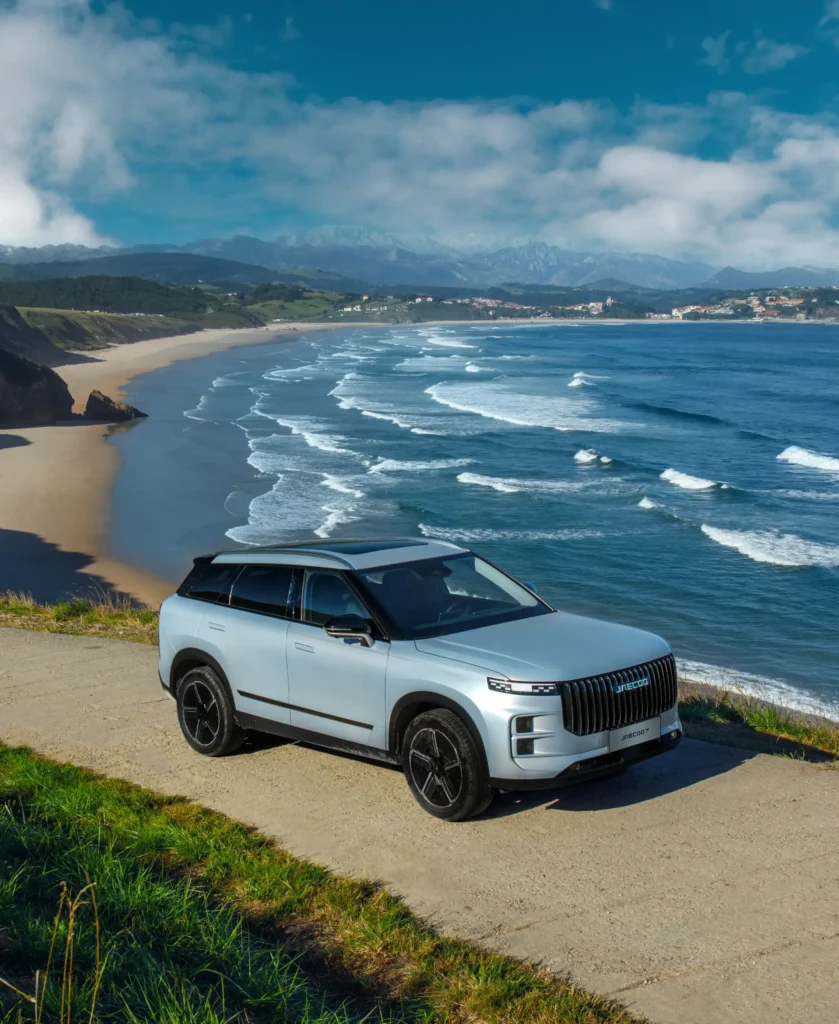
Hybrid technology is rapidly changing the future of adventure tourism, giving travelers new ways to explore remote landscapes with lower environmental impact. As sustainability becomes a key decision factor for modern tourists, vehicles such as the JAECOO 7 SHS-H are helping redefine off-road travel by combining rugged capability, fuel efficiency, and premium comfort in one package.
For the global tourism industry, this shift matters. Adventure travel remains one of the fastest-evolving segments of leisure tourism, yet it has traditionally relied on fuel-intensive transport in sensitive natural environments. Hybrid SUVs are now offering a path toward greener exploration without removing the excitement that attracts travelers in the first place.
Why Sustainability Is Reshaping Adventure Tourism
Travelers are increasingly aware of the environmental footprint created by transportation. Many now look for lower-emission options not only in aviation and accommodation, but also in ground travel once they reach a destination.
That trend is especially relevant in adventure tourism, where journeys often pass through forests, deserts, mountain trails, wildlife areas, and protected landscapes. Reducing emissions and noise in these environments can help preserve the very places travelers come to experience.
As a result, operators offering eco-conscious tours are paying closer attention to vehicle choice, fuel use, and long-term sustainability strategies.
Hybrid Technology Changes the Equation
Hybrid vehicles combine a conventional engine with an electric motor, allowing them to optimize power delivery while lowering fuel consumption. For travelers, the advantage is practical as well as environmental.
Electric assistance can support smoother low-speed driving on trails, while regenerative systems and efficient power management help reduce waste. In certain conditions, short electric-only operation may also allow quieter movement through nature-focused areas.
This technology gives adventure travelers a way to access remote destinations with less reliance on traditional fuel-heavy systems.
JAECOO 7 SHS-H Targets the Premium Adventure Segment
The JAECOO 7 SHS-H represents a growing category of travel-ready hybrid SUVs aimed at customers who want both sustainability and performance. According to the user-provided information, the model combines hybrid engineering with luxury-focused design and off-road capability.
That combination reflects wider demand in tourism. Today’s travelers increasingly expect experiences to be both responsible and comfortable. They may want to camp in remote regions, cross mountain routes, or explore coastal terrain—but still return to climate control, quality interiors, and modern connectivity.
For premium travelers, adventure no longer means sacrificing convenience.
Off-Road Capability Still Matters
Environmental improvements alone are not enough in this category. Adventure vehicles must still handle uneven surfaces, steep gradients, mud, sand, and changing weather conditions.
The appeal of hybrid off-road models is that they aim to deliver both strengths: robust terrain performance and better efficiency. Intelligent drivetrains, traction systems, and advanced suspension setups can help travelers reach destinations that ordinary road vehicles cannot.
That expands opportunities for tourism businesses offering guided expeditions, safari-style journeys, wilderness lodges, and scenic self-drive holidays.
Better Experiences for Travelers
The evolution of adventure transport is also about guest experience. Long drives to remote destinations can be tiring, so comfort features increasingly influence booking decisions.
Premium seating, spacious cabins, infotainment systems, and driver-assistance technology help make overland journeys more enjoyable. For families, couples, and small groups, that can turn transport time into a valued part of the trip rather than just a transfer.
As experiential tourism grows, the journey itself matters more than ever.
Benefits for Destinations and Tour Operators
Destinations focused on nature tourism may gain from lower-impact mobility options. National parks, eco-resorts, and rural tourism zones often depend on maintaining environmental quality while welcoming visitors.
Tour operators using hybrid fleets may also strengthen their market appeal, particularly among younger travelers and international guests who prioritize responsible travel choices. Sustainability messaging can become a competitive advantage when paired with genuine operational changes.
In some markets, greener transport may also align with evolving regulations and destination sustainability goals.
What the Future Could Look Like
The next phase of adventure tourism is likely to feature more electrified and hybrid transport options across multiple segments, from rental SUVs to guided expedition fleets. As battery and drivetrain technology improves, travelers can expect longer electric ranges, smarter energy management, and stronger off-road performance.
Luxury travel brands may also continue blending sustainability with premium design, proving that eco-conscious tourism does not need to feel basic or restrictive.
What Travelers Should Consider
Travelers planning off-road holidays should compare vehicle range, terrain capability, luggage space, charging or fueling access, and comfort features based on destination needs. Guided operators may increasingly highlight hybrid or low-emission fleets as part of their tour value.
For eco-minded adventurers, transport choice can become an important extension of travel values.
A New Road for Adventure Tourism
Hybrid SUVs like the JAECOO 7 SHS-H show how the travel industry is adapting to changing expectations. The future of off-road tourism is no longer only about power and endurance—it is also about responsibility, efficiency, and smarter exploration.
For travelers who want both wilderness and comfort, the road ahead looks greener than ever.
For more travel news like this, keep reading Global Travel Wire