Italy has faced a difficult period for travel at the end of October, with nationwide industrial action, demonstrations and flight cancellations creating uncertainty for international visitors. The UK Foreign, Commonwealth and Development Office (FCDO) issued a travel warning advising British holidaymakers to prepare for possible disruption to flights, rail services, taxis and local public transport. The developments have placed Italy travel warning, Italy flight cancellations and transport disruption firmly on the radar of travellers planning journeys across the country.
For visitors arriving in Italy, the challenge extends beyond getting through airport security or reaching their hotels. Demonstrations and transport interruptions in several cities have made it important to monitor local conditions and allow additional time for journeys. Although the nationwide strike scheduled from October 29 to October 30 has now concluded, the FCDO continues to highlight security concerns following unrest in northern Italy, particularly in Milan.
UK Foreign Office Issues Travel Warning for Italy
The FCDO updated its official travel advice on October 29, warning that a 24-hour national strike could affect several essential services across Italy.
The industrial action, scheduled from 9 pm on October 29 until 9 pm on October 30, was expected to affect air and rail travel, taxis, highways, local public transportation, schools and government offices. The warning also highlighted recent demonstrations across northern Italian cities that had resulted in violent clashes, riots and looting. Milan experienced an increased presence of police and military personnel, with further demonstrations considered possible in major cities.
The FCDO advised travellers to check directly with their transport providers for the latest operational information and remain aware of developments at their destinations.
The industrial action created significant pressure on airline operations, with carriers adjusting schedules to manage the disruption. According to AirHelp, easyJet cancelled more than 56 flights to and from Italy ahead of the October 30 strike. Ryanair also cancelled or rescheduled services, affecting passengers travelling through several major Italian airports. The disruption involved multiple categories of aviation workers, including air traffic controllers, ground-handling personnel and airport security staff. A separate four-hour air traffic control stoppage was scheduled between 1 pm and 5 pm on October 30.
Rome Fiumicino, Rome Ciampino, Milan Malpensa, Milan Linate, Venice Marco Polo, Bologna and Naples were among the airports facing potential disruption.
Italy’s protected flight service periods, generally between 7 am and 10 am and 6 pm and 9 pm, offered some operational safeguards. However, these minimum-service arrangements did not guarantee that every scheduled flight would operate normally.
Passengers affected by cancellations were advised to contact their airlines for alternative arrangements, including rebooking or refunds, depending on their circumstances. Air travel was not the only concern for visitors. The wider industrial action also threatened connections involving trains, buses, taxis and other public transport services. Travellers arriving at airports often depend on rail links, airport buses and local transport to reach hotels, railway stations and tourist attractions. Disruptions across these services can create additional difficulties, particularly for international visitors with connecting journeys or pre-booked accommodation.
However, the situation was not uniform across every transport operator. Following intervention by Italy’s Ministry of Infrastructure and Transport, the planned rail transport component of the nationwide action was postponed. Operators including Trenitalia and Trenord indicated that services would run according to their regular timetables.
This distinction is important because an announced national strike does not necessarily mean that every transport service will stop. The actual impact depends on participating workers, government intervention and minimum-service requirements.
Demonstrations and Unrest Raise Security Concerns in Milan
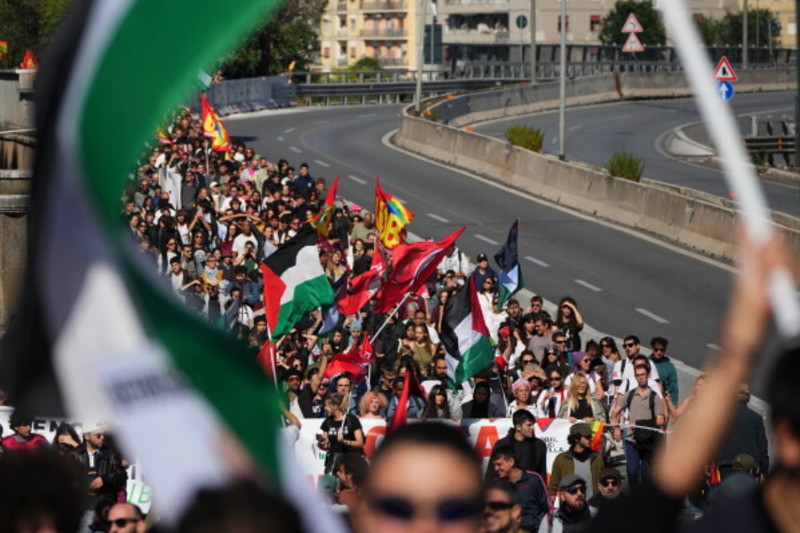
Alongside transport disruption, the FCDO highlighted security concerns associated with demonstrations in northern Italy. Recent protests had resulted in violent incidents and looting in several cities. Milan, one of Italy’s most popular destinations for international visitors, experienced an increased deployment of police and military personnel. The demonstrations were part of wider industrial and social protests involving workers, students and other groups. Participants raised concerns about wages, living costs, public services and government policies. Reuters reported that demonstrations took place in more than 40 Italian cities on October 30, with tensions and clashes reported in some locations, including Turin, Rome and Milan.
Although many demonstrations remained peaceful, travellers were advised to avoid large gatherings and follow instructions from local authorities.
What Travellers Should Do Before Visiting Italy
For those planning to visit Italy in the coming weeks, staying informed is particularly important while demonstrations and industrial action remain a possibility.
Travellers should:
- Check airline websites and booking applications for the latest flight updates.
- Confirm rail, bus and airport transfer arrangements before departure.
- Avoid demonstration areas, large crowds and locations experiencing unrest.
- Allow additional time for airport journeys and onward connections.
- Review travel insurance policies to understand coverage for cancellations and unexpected expenses.
- Follow official travel advice from their respective governments.
Visitors should also remember that transport schedules and security conditions can change at short notice.
Italy remains an important destination for international tourism, but the latest combination of industrial action and public demonstrations has offered travellers a reminder that even well-planned holidays can encounter unexpected interruptions. While the October 30 nationwide strike has ended, the security advisory surrounding demonstrations deserves continued attention. For visitors, the best approach is to stay flexible, verify travel arrangements and avoid areas where protests are taking place. Italy’s airports, railways and tourist destinations remain central to its appeal, but keeping up with local developments will be essential for anyone planning a smooth journey.
Image source: AP News