Travel safety is back in focus after a new advisory urged Americans traveling to the United Kingdom and Europe to remain vigilant and exercise increased caution, particularly near sites linked to American and Jewish interests. The guidance reflects a broader tourism reality in 2026: travelers are increasingly prioritizing safety awareness alongside destination experiences.
The advisory does not call for avoiding travel. Instead, it encourages practical precautions, awareness in crowded places, and staying informed while visiting major cities and tourist areas. For the tourism industry, this is an important reminder that confidence, preparedness, and clear communication are essential to sustaining healthy visitor flows.
The United Kingdom and Europe remain among the world’s most popular travel regions, attracting millions of visitors annually for heritage tourism, city breaks, cultural experiences, events, and business travel. Security guidance is part of modern travel management and helps travelers make informed decisions while continuing to explore confidently.
Why Travel Alerts Matter to Tourism
Official travel advisories are designed to inform travelers about changing conditions, not necessarily discourage trips. They help visitors understand risks, plan responsibly, and know how to respond if circumstances change.
In global tourism, alerts can relate to weather, transportation disruption, demonstrations, health updates, or security concerns. For travelers, the most effective response is usually preparation rather than panic.
Destinations that communicate clearly and maintain visible security measures often preserve traveler confidence more effectively than those that do not. Tourism thrives when visitors feel informed, welcomed, and protected.
UK and Europe Remain Major Global Destinations
Despite periodic advisories, the UK and Europe continue to rank among the world’s strongest tourism markets. Visitors travel there for iconic landmarks, museums, festivals, shopping, theatre, culinary tourism, sporting events, and historic cities.
London, Paris, Rome, Amsterdam, Barcelona, Vienna, Dublin, and many other destinations remain central to international travel itineraries. Strong infrastructure, extensive rail and air networks, and mature tourism services continue to support millions of annual arrivals.
Security guidance should therefore be viewed in context. Travelers can continue enjoying these destinations while taking sensible precautions commonly recommended in large urban environments worldwide.
Increased Awareness in Busy Public Areas
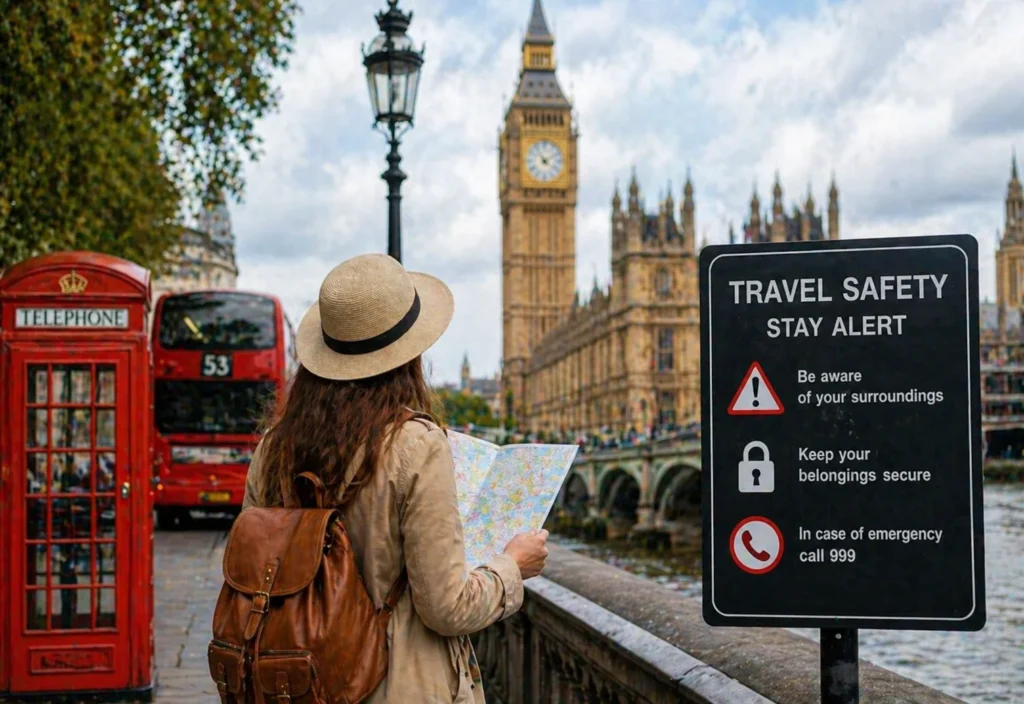
One of the key messages in the advisory is the importance of staying alert in crowded locations. Busy public spaces naturally require greater awareness because they attract high visitor numbers and can be more complex to navigate.
Tourist hotspots, transport hubs, shopping districts, event venues, and places of worship are often high-traffic environments where travelers should stay attentive to surroundings and personal belongings.
Simple habits can make a major difference:
Keep valuables secure
Stay aware of exits and emergency signage
Avoid leaving bags unattended
Use licensed transport services
Monitor official updates when attending major events
Share itineraries with trusted contacts when appropriate
These are standard travel practices that improve confidence and reduce stress.
The Role of Embassies and Official Alerts
Embassies and consulates play an important role in supporting citizens abroad. They provide updates, emergency guidance, and practical information during unexpected situations.
Travelers are encouraged to review official advice before departure and during their trip, especially if visiting multiple countries. Conditions can vary by city, season, or event calendar.
Many travelers also choose to register travel plans through official enrollment systems that allow authorities to share updates and assist more efficiently during emergencies.
For tourism, these systems add an extra layer of reassurance, especially for first-time international visitors.
Smart Safety Without Losing the Experience
One challenge for modern tourism is balancing safety awareness with enjoyment. Travelers do not want fear to dominate their journeys, but they do value practical knowledge that helps them feel prepared.
The most successful approach is calm, informed travel. Visitors can still enjoy museums, markets, neighbourhood walks, festivals, and nightlife while making smart choices.
Examples include:
Booking centrally located accommodation
Using trusted navigation apps
Keeping digital copies of passports and documents
Avoiding isolated areas late at night
Following local authority guidance during public events
Checking transport updates before long journeys
Prepared travelers often enjoy trips more because they feel confident navigating unfamiliar environments.
Benefits for the Tourism Industry
Security awareness can also strengthen tourism systems. Airports, attractions, hotels, and city authorities that invest in clear signage, trained staff, emergency planning, and visitor communication improve the overall travel experience.
Many leading destinations now integrate safety into destination management strategies. This includes multilingual alerts, visible policing, crowd management, surveillance systems, and rapid-response protocols.
These measures not only address risks but also reassure visitors that destinations take their welfare seriously.
Tourism competitiveness increasingly depends on trust as much as attractions.
Advice for American Travelers
Americans planning trips to the UK or Europe can take several practical steps:
Check official travel guidance before departure
Register travel details with relevant government programs if available
Save embassy and local emergency contacts
Use travel insurance with emergency assistance coverage
Keep phones charged and carry portable chargers
Stay aware in crowded places
Respect local laws and customs
Monitor local news during major public events
These steps are simple but valuable, especially during multi-country itineraries or peak travel seasons.
Positive Outlook for European Tourism
The UK and Europe remain resilient tourism regions with long experience managing large visitor volumes, international events, and urban security planning. Advisories may change over time, but the enduring appeal of these destinations remains strong.
Travelers continue to seek cultural discovery, heritage experiences, scenic rail journeys, countryside escapes, and world-famous city breaks across the continent. With sensible preparation, millions of visitors can continue enjoying safe and rewarding journeys.
Final Word
The latest Security Alert for Americans Visiting UK and Europe is ultimately a reminder that smart travel includes awareness, preparation, and flexibility. It does not diminish the value of these destinations or the experiences they offer.
For modern tourists, safety planning is now part of responsible travel. With informed choices and practical habits, travelers can continue exploring Europe and the United Kingdom with confidence, curiosity, and peace of mind.