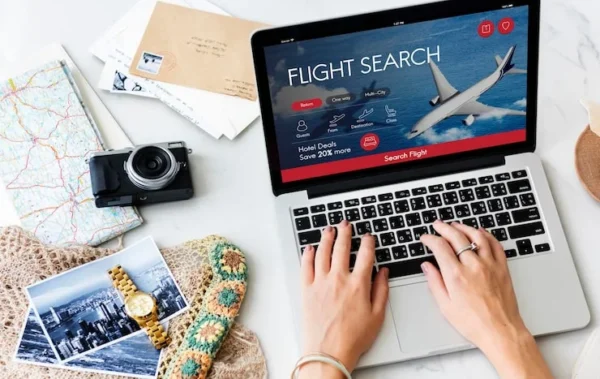
The global travel industry is entering a new technology phase as TravelAI strengthens its executive team to accelerate the rollout of autonomous travel agents and predictive trip planning tools. The company’s latest leadership appointments signal a strategic shift away from traditional search-led booking models toward AI systems that can plan, personalize and manage journeys with minimal user effort.
The move reflects a growing race across tourism technology, where automation, personalization and real-time decision-making are becoming core drivers of future travel experiences.
New Leadership Team Signals Ambitious Growth Strategy
TravelAI has appointed Shie Gabbai as Director of AI Experience and Brianna MacNeil as Director of AI Products and Personalization. Together, the hires combine expertise from large-scale technology platforms and fast-moving startup environments.
The appointments suggest TravelAI is building a dual strategy: creating consumer-friendly AI experiences while simultaneously developing the infrastructure required to scale intelligent travel services across hundreds of travel brands and customer touchpoints.
Autonomous Travel Agents Could Redefine Booking
At the centre of the company’s strategy is agentic AI, a new generation of systems designed to act independently on behalf of travellers. Instead of requiring users to manually compare flights, hotels and activities, autonomous travel agents can understand preferences, budgets and priorities, then deliver optimized recommendations or complete bookings automatically.
This model could dramatically reduce planning friction for consumers. It also creates opportunities for travel companies to increase conversion rates by simplifying the path from inspiration to purchase.
Why Predictive Journeys Matter to Travellers
Predictive travel tools aim to anticipate needs before customers explicitly request them. That could include suggesting ideal travel dates, recommending destinations based on past behaviour, adjusting itineraries due to weather changes or securing better pricing when market conditions shift.
For travellers, the benefit is convenience and confidence. Rather than spending hours researching options, users receive dynamic trip plans tailored to their habits and circumstances. In an industry where decision fatigue is common, predictive systems may become a major competitive advantage.
Hyper-Personalization Becomes the New Standard
Personalization has long been part of digital travel, but TravelAI’s strategy points to a deeper level of customization. Future systems are expected to interpret traveller preferences at a granular level, including destination interests, budget behaviour, preferred travel pace, accommodation style and seasonal patterns.
That means recommendations may move beyond generic “top picks” to highly individualized journeys that feel uniquely designed for each traveller. For tourism brands, this can strengthen loyalty, repeat bookings and customer satisfaction.
Airlines, Hotels and Suppliers Stand to Benefit
TravelAI’s broader vision includes stronger integration between AI systems and travel suppliers such as airlines, hotels, attractions and destination services. If successful, this could create a connected ecosystem where booking, check-in, upgrades, transfers and on-trip changes happen seamlessly across multiple providers.
For suppliers, better integration can improve merchandising, yield management and service efficiency. For travellers, it reduces the need to manage separate apps, bookings and support channels throughout the trip.
Tourism Industry Faces New Competitive Pressure
The company’s expansion highlights how quickly the travel technology landscape is evolving. Established online travel agencies, hotel groups, airlines and destination platforms are all under pressure to adapt as AI reshapes customer expectations.
Consumers increasingly expect instant answers, smarter recommendations and frictionless transactions. Businesses that fail to modernize risk losing market share to more agile platforms that can combine trust, speed and personalization at scale.
Economic Impact of Smarter Travel Technology
Advanced AI tools could generate significant economic benefits across tourism. Faster booking decisions can raise sales volumes, personalized offers can increase ancillary revenue, and automation can lower customer service costs.
Destinations may also benefit if intelligent systems better match travellers with less crowded regions, shoulder-season trips or niche experiences, helping distribute visitor spending more effectively while easing overtourism pressure in major hotspots.
What Travellers Can Expect Next
In the near future, booking a holiday may feel less like research and more like having a personal travel assistant. Travellers could simply describe goals, budgets and dates while AI handles route planning, reservations, schedule changes and local recommendations in real time.
The success of that future will depend on trust, transparency and the ability of platforms to deliver reliable results consistently. If those conditions are met, autonomous travel agents may become as common as mobile boarding passes are today.
A Turning Point for Global Tourism Technology
TravelAI’s leadership shift represents more than internal restructuring. It reflects a wider transformation underway across global tourism, where intelligence, automation and personalization are redefining how journeys are created and experienced.
As travel companies invest more aggressively in next-generation AI, the industry is moving toward a future where trips are smarter, faster and far more intuitive for millions of travellers worldwide.
For more travel news like this, keep reading Global Travel Wire