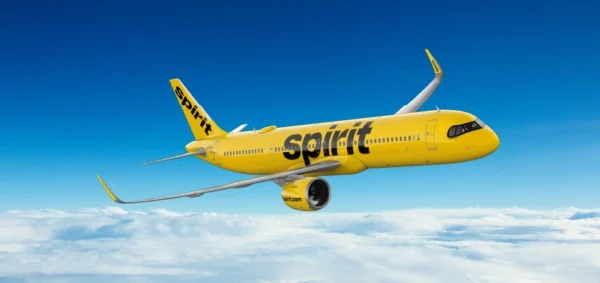
The sudden Spirit Airlines shutdown on May 2, 2026, has triggered one of the most severe aviation disruptions in recent U.S. history, halting thousands of flights and stranding passengers nationwide. The ultra-low-cost carrier ceased operations without prior notice, sending shockwaves through the travel sector and forcing airlines, airports, and government agencies into emergency response mode.
Immediate Travel Chaos Across Major US Airports
The abrupt closure has created widespread disruption at major hubs, particularly in high-traffic leisure corridors and domestic routes. Airports that relied heavily on Spirit’s budget network are now experiencing overcrowding, long queues, and mounting frustration among travelers seeking alternatives.
Passengers traveling to popular destinations such as Florida, Las Vegas, and Mexico have been especially affected. These routes, once dominated by low-cost fares, are now seeing limited availability and rising prices as demand shifts to remaining carriers.
Airlines Step In With Limited Rescue Options
In response, major U.S. carriers have introduced temporary “rescue fares” to accommodate stranded passengers. These discounted tickets aim to ease immediate travel disruptions, although availability remains constrained and subject to strict conditions.
Airlines are also rapidly adjusting capacity on key routes previously served by Spirit, attempting to stabilize supply while managing a sudden surge in bookings. However, industry officials acknowledge that short-term gaps in connectivity are unavoidable.
Tourism Industry Feels Immediate Impact
The collapse is already reverberating across the tourism economy. Destinations that depended on Spirit’s low fares to drive visitor numbers—particularly beach resorts and entertainment hubs—are bracing for a drop in short-term arrivals.
Hotels, tour operators, and local businesses are closely monitoring booking trends, as reduced flight access could temporarily weaken occupancy rates and visitor spending. At the same time, higher airfares may shift traveler behavior, with some opting for alternative destinations or delaying trips altogether.
Financial Struggles Behind the Collapse
Spirit Airlines’ shutdown follows a prolonged period of financial instability marked by mounting debt and unsuccessful recovery efforts. Despite attempts to restructure operations and secure investment, the airline ultimately failed to sustain its business model amid rising costs and intense competition.
Industry pressures—including fuel price volatility, operational expenses, and shifting passenger demand—played a significant role in accelerating the airline’s decline. The collapse underscores broader structural challenges facing low-cost carriers in an increasingly competitive aviation landscape.
Passenger Guidance Amid Uncertainty
Authorities are advising affected travelers to take immediate action. Passengers are encouraged to explore alternative flights through other airlines, monitor available rescue fares, and pursue refunds through their payment providers where applicable.
Travelers who booked through agencies may access rebooking support, although timelines for compensation could depend on ongoing financial proceedings. The situation remains fluid, and passengers are urged to stay updated through official airline and aviation authority communications.
Long-Term Outlook for US Aviation
While the immediate disruption is severe, aviation experts anticipate a gradual market correction. Larger carriers are expected to expand capacity and absorb displaced demand, potentially restoring route networks over time.
However, the loss of a major low-cost airline could lead to higher average ticket prices in the near term, particularly on routes previously dominated by budget competition. This shift may reshape travel patterns and influence how airlines price and structure their offerings moving forward.
A Turning Point for Travel in 2026
Despite the upheaval, the broader U.S. travel industry continues to show resilience. Demand for air travel remains strong, and airlines are expected to respond quickly to evolving market conditions.
The Spirit Airlines shutdown marks a pivotal moment for the aviation sector, highlighting both vulnerabilities and opportunities. As competitors step in to fill the gap, travelers may ultimately benefit from improved services and expanded choices—once the immediate turbulence subsides.
For more travel news like this, keep reading Global Travel Wire