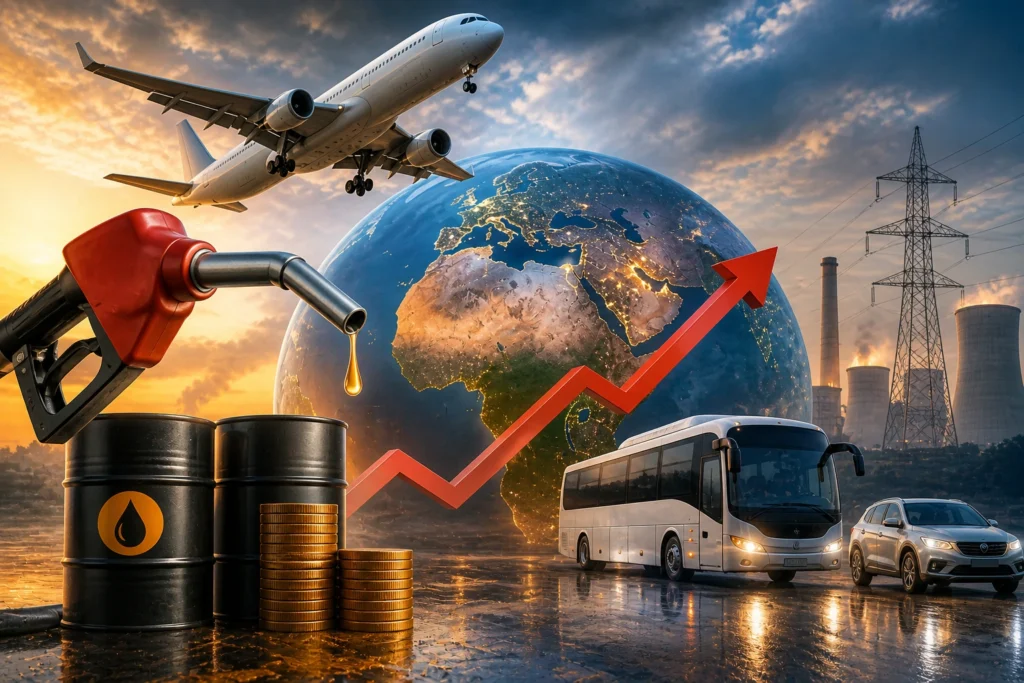
A worsening global fuel crisis travel scenario is forcing countries including Kenya, India, South Africa, Australia, Thailand, China, and Ethiopia to implement emergency measures as soaring fuel prices and energy shortages disrupt aviation, tourism, and global mobility. Governments are responding with urgent policy shifts to stabilize economies and protect travel demand amid mounting operational costs for airlines.
Airlines and Travel Costs Surge Worldwide
Airlines across affected regions are facing unprecedented increases in fuel costs, leading to higher airfares, reduced flight frequencies, and route cuts. These developments are directly impacting both domestic and international tourism, as travelers encounter rising travel expenses and limited availability.
The aviation sector, heavily reliant on fuel, remains particularly vulnerable, with operational costs rising sharply. As a result, travel demand is becoming more price-sensitive, potentially slowing the pace of global tourism recovery.
Kenya and Africa Face Mounting Pressure
Kenya is among the countries most affected due to its reliance on fuel imports. Increased aviation costs are pushing up ticket prices, impacting both inbound and outbound tourism. Airlines such as Kenya Airways are working closely with authorities to manage the surge while maintaining essential connectivity.
In response, Kenya is accelerating investments in renewable energy to reduce dependence on fossil fuels, while introducing measures to stabilize fuel prices and support the aviation sector.
India Adjusts Aviation and Tourism Strategy
India is experiencing similar pressures, with airlines increasing fares and adjusting schedules to offset rising fuel expenses. The government is exploring energy reforms and promoting sustainable travel options to mitigate the impact on the tourism sector.
Domestic tourism campaigns are being strengthened to maintain travel demand, as affordability becomes a key concern for travelers. These efforts aim to balance economic stability with continued growth in the travel sector.
South Africa and Transportation Strain
In South Africa, fuel shortages are affecting multiple sectors, particularly aviation and ground transport. Airlines are reducing flights to major hubs, while authorities focus on diversifying energy sources and improving infrastructure to support long-term resilience.
The tourism industry is facing additional pressure as rising costs deter both domestic and international visitors, impacting revenue streams across hospitality and travel services.
Australia and Asia-Pacific Respond
Australia is grappling with rising fuel costs and energy supply challenges, prompting government intervention to stabilize domestic travel. Measures include boosting energy supply and supporting airlines to maintain essential routes.
Meanwhile, Thailand and China are implementing policies to manage fuel price volatility and protect tourism. Thailand is focusing on tax reductions and domestic travel incentives, while China is expanding renewable energy use and promoting internal tourism to offset international declines.
Ethiopia Faces Acute Energy Challenges
Ethiopia is dealing with severe fuel shortages that are driving up transportation costs and limiting travel accessibility. The government is prioritizing fuel distribution improvements and investing in renewable energy to stabilize supply.
The tourism sector, a key contributor to the economy, is experiencing reduced visitor numbers as travel becomes more expensive and less predictable.
Tourism Industry Under Global Strain
The combined impact of rising fuel prices and energy shortages is reshaping the global travel landscape. Airlines are adjusting capacity, while destinations are introducing incentives to maintain visitor flows.
However, higher costs and reduced connectivity are likely to influence traveler behavior, with more emphasis on shorter trips, alternative transport options, and budget-conscious planning.
Economic and Policy Shifts
Governments are adopting both short-term and long-term strategies to address the crisis. Immediate actions include subsidies, tax adjustments, and operational support for airlines, while long-term plans focus on renewable energy development and energy efficiency improvements.
These measures aim to ensure the sustainability of travel and tourism industries while reducing vulnerability to future energy shocks.
Outlook for Global Travel
As fuel prices remain volatile, the travel industry is expected to face continued challenges in the months ahead. Airlines, tourism boards, and governments will need to collaborate closely to maintain connectivity and support demand.
For travelers, the evolving situation means adapting to higher costs and planning with greater flexibility. Despite these challenges, the industry’s focus on innovation and sustainability may pave the way for a more resilient future.
For more travel news like this, keep reading Global Travel Wire