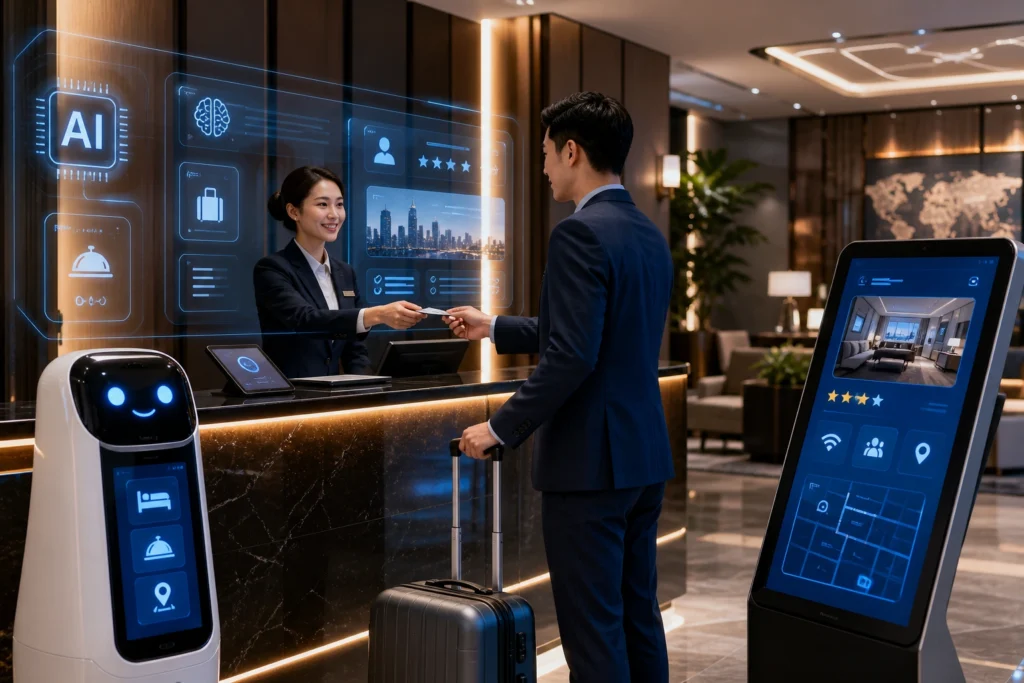
Ascott is leading a major transformation in global hospitality with the rollout of advanced artificial intelligence systems, unified digital infrastructure, and automated travel discovery tools designed to reshape how travelers search, book, and experience accommodation worldwide. The initiative reflects a broader shift toward machine-driven travel planning, where intelligent systems increasingly guide decision-making across the tourism sector.
With a portfolio of more than 1,000 properties across over 230 cities, Ascott is reengineering its operations to remain competitive in an evolving marketplace defined by automation, personalization, and real-time digital engagement.
Preparing for AI-Driven Travel Planning
Ascott’s strategy is closely aligned with the rise of agentic commerce, where artificial intelligence systems act as intermediaries between travelers and service providers. In this model, AI agents analyze preferences, compare accommodation options, and complete bookings automatically on behalf of users.
To adapt, the company is redesigning how hotel data is structured and distributed. Traditional descriptions are being replaced with machine-readable formats that allow algorithms to interpret room features, pricing, and availability with precision. This ensures Ascott properties remain visible and competitive when AI systems generate travel recommendations.
Building a Unified Digital Ecosystem
A central component of Ascott’s transformation is the development of an integrated digital architecture in collaboration with Accenture. This initiative connects previously fragmented systems—including reservations, property management, customer databases, and loyalty platforms—into a unified framework.
By consolidating these systems, Ascott is creating a scalable data environment capable of supporting real-time decision-making and AI-driven operations across its global network. The company is also exploring advanced technologies such as large language models to automate workflows and enhance digital interactions with guests.
Revolutionizing Distribution Through Smart Inventory
Ascott is modernizing its distribution capabilities through the adoption of a Central Reservations System from Amadeus. This system introduces an attribute-based inventory model, allowing accommodations to be defined by detailed features such as layout, amenities, and views rather than fixed room categories.
This granular approach improves how properties are matched with traveler preferences, enabling more accurate recommendations and dynamic pricing adjustments. For AI-driven platforms, structured data enhances the ability to evaluate options, increasing the likelihood that Ascott properties are selected in automated booking processes.
Enhancing Guest Engagement with AI
Artificial intelligence is already embedded across multiple aspects of Ascott’s operations, including marketing, revenue optimization, and customer service. The company’s AI-powered concierge platform has handled hundreds of thousands of guest interactions since its introduction, assisting with inquiries, recommendations, and bookings.
Future developments aim to expand this platform into a fully autonomous system capable of managing end-to-end travel planning. This evolution reflects a broader industry trend where AI tools move beyond support roles to actively shaping traveler decisions and experiences.
Driving Personalization Through Data Integration
Ascott is strengthening its personalization capabilities by integrating loyalty program data into its AI systems. This allows for more accurate guest profiling, enabling tailored recommendations and targeted offers that improve conversion rates and customer satisfaction.
As travelers increasingly expect customized experiences, the ability to deliver relevant, context-aware services is becoming a key differentiator in the competitive hospitality market.
Workforce Transformation for the Digital Age
Alongside its technological investments, Ascott is focusing on workforce development to support its transition to an AI-enabled operating model. Through its Global Brand Academy, developed in partnership with EHL Hospitality Business School, the company is training employees to work alongside automated systems and leverage data-driven insights.
This hybrid approach ensures that while routine tasks are handled by AI, human expertise remains central to delivering high-quality, personalized guest experiences.
Implications for Global Travel and Tourism
Ascott’s transformation signals a significant shift in how travel is discovered, evaluated, and booked. As AI-mediated systems become more prevalent, traditional search-based booking journeys are giving way to automated, algorithm-driven processes.
For travelers, this means faster, more efficient booking experiences and highly personalized recommendations. For the tourism industry, it highlights the importance of adopting machine-readable data structures and integrating with intelligent digital ecosystems to remain competitive.
Shaping the Future of Hospitality
By combining advanced technology with a focus on guest experience, Ascott is positioning itself at the forefront of the next phase of hospitality evolution. Its investments in AI, digital infrastructure, and workforce capabilities demonstrate a commitment to balancing automation with human-centered service.
As intelligent systems continue to reshape global travel behavior, Ascott’s strategy offers a glimpse into a future where seamless digital interactions and personalized experiences define the hospitality landscape—creating new opportunities for growth across tourism, business travel, and global accommodation markets.
For more travel news like this, keep reading Global Travel Wire