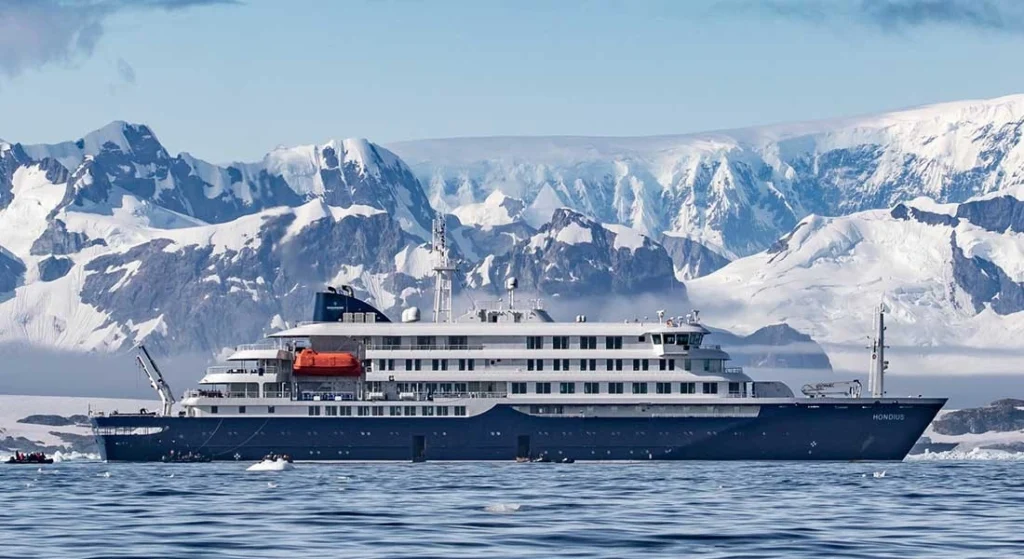
A suspected outbreak of hantavirus aboard the expedition cruise vessel MV Hondius has resulted in three fatalities and left a British tourist in intensive care, raising serious concerns across the global cruise industry and international travel sector. The incident occurred during a transatlantic voyage from Argentina to Cape Verde, prompting urgent intervention by World Health Organization and regional health authorities.
The outbreak has disrupted operations and highlighted the vulnerabilities of cruise travel to infectious disease risks, particularly on long-haul voyages where passengers remain in close proximity for extended periods.
Fatal Cases and Medical Emergencies at Sea
The situation unfolded when a 70-year-old passenger developed symptoms during the voyage and later died onboard. His body was transferred to Saint Helena for further handling. Shortly after, his 69-year-old wife also fell ill and was evacuated to Johannesburg, where she later died in hospital.
In total, six cases have been identified, including one laboratory-confirmed hantavirus infection and five additional suspected cases currently under investigation. Among those affected, a British national remains in critical condition in intensive care, with medical teams closely monitoring the situation.
Understanding the Health Risk
Hantavirus is a rare but potentially severe illness typically associated with exposure to infected rodent droppings or urine. While human-to-human transmission is uncommon, certain strains have shown limited potential for spread under specific conditions.
Health experts emphasize that early detection and supportive care are crucial, as there is no specific antiviral treatment. The confined environment of a cruise ship adds complexity to containment efforts, making rapid response measures essential.
Cruise Operations Disrupted in Cape Verde
The MV Hondius, operated by Oceanwide Expeditions, is currently docked in Praia, where local and international health authorities are conducting assessments and implementing containment protocols.
Passengers onboard have experienced significant disruption, with heightened health screenings, restricted movement, and uncertainty regarding onward travel plans. The vessel was scheduled to continue its journey to the Canary Islands, but operations remain contingent on the outcome of ongoing medical evaluations.
Global Health Coordination Underway
The World Health Organization is coordinating with authorities in South Africa, Cape Verde, and the ship’s operator to manage the outbreak. Efforts include epidemiological investigations, laboratory testing, and monitoring of all individuals who may have been exposed.
South African health officials have played a key role in evacuating and treating affected passengers, ensuring that critical cases receive specialized care. Authorities have confirmed that strict protocols are being followed to prevent further spread of the virus.
Impact on Cruise Tourism and Traveler Confidence
The incident is likely to have ripple effects across the cruise industry, particularly in the expedition and long-haul cruise segments. Travelers are increasingly sensitive to health risks, and outbreaks—even rare ones—can influence booking decisions and demand patterns.
Cruise operators may face additional pressure to enhance onboard health measures, improve emergency response systems, and strengthen communication with passengers. Enhanced sanitation, medical readiness, and contingency planning are expected to become even more critical in maintaining traveler confidence.
Challenges of Managing Disease at Sea
Cruise ships present unique challenges when it comes to managing infectious diseases. Limited medical facilities, delayed access to advanced healthcare, and the close quarters of passengers and crew can accelerate the spread of illness and complicate response efforts.
The MV Hondius outbreak underscores the importance of preparedness and rapid coordination between international health agencies and local authorities. It also highlights the need for robust screening and monitoring systems, particularly on voyages that span multiple regions.
Ongoing Investigation and Next Steps
Investigations are ongoing to determine the source of the infection and assess whether additional cases may emerge. Health authorities are conducting detailed contact tracing and testing to fully understand the extent of the outbreak.
Passengers and crew continue to receive medical support, while contingency plans are being developed for safe disembarkation and onward travel once clearance is granted.
A Wake-Up Call for Global Travel
The hantavirus outbreak aboard the MV Hondius serves as a stark reminder of the health risks associated with international travel, particularly in confined environments like cruise ships. While such incidents remain rare, they underscore the importance of vigilance, preparedness, and rapid response in safeguarding public health.
As global travel continues to rebound, the industry faces increasing expectations to balance growth with safety. The lessons learned from this incident are likely to shape future policies, ensuring that cruise tourism remains resilient while prioritizing passenger well-being in an ever-changing global health landscape.
For more travel news like this, keep reading Global Travel Wire