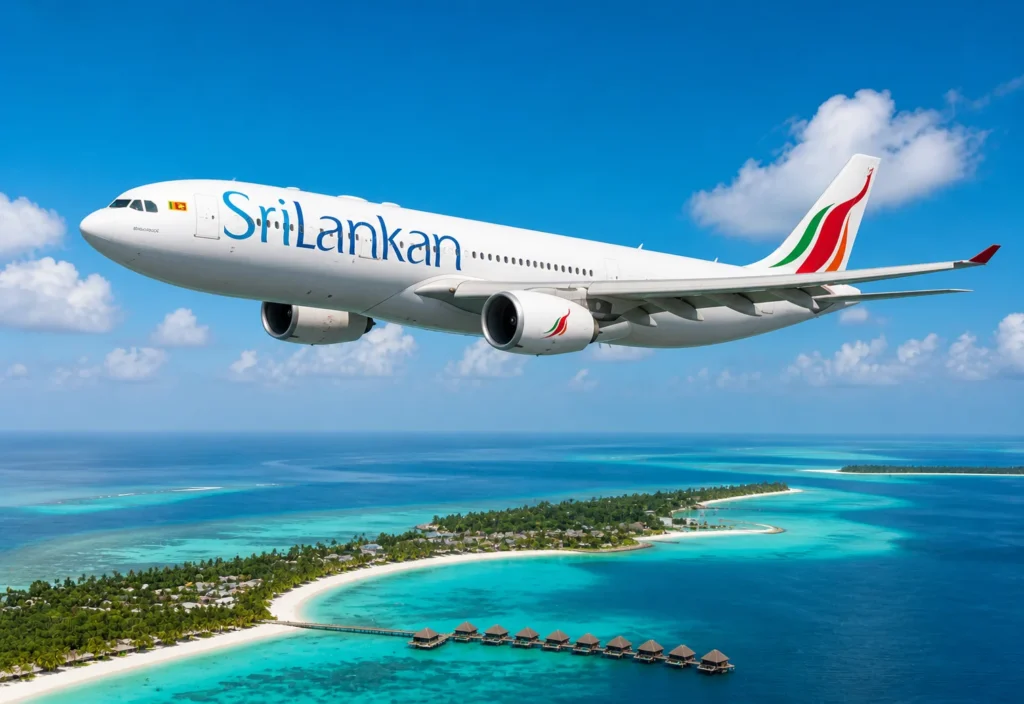
Sri Lanka’s aviation and tourism sectors are gaining global recognition as SriLankan Airlines strengthens its position as a leading full-service carrier in South Asia. Backed by consistent service upgrades and operational efficiency, the airline is playing a key role in enhancing the island nation’s appeal as a premium travel destination.
According to official tourism and aviation updates, Sri Lanka has been focusing on improving connectivity and service quality to attract more international visitors. In this context, the airline’s progress reflects broader national efforts led by the country’s tourism authorities to position Sri Lanka as a competitive hub in the Indian Ocean region.
The airline’s growing reputation for high-quality service places it alongside globally recognized carriers such as Emirates and Singapore Airlines. This alignment highlights the increasing importance of South Asia in global travel networks and underscores Sri Lanka’s ambition to expand its tourism footprint.
A major factor driving this growth is the efficiency of Bandaranaike International Airport, which serves as the airline’s primary hub. Government-led infrastructure improvements and streamlined airport operations have enabled smoother transit experiences for passengers connecting between Europe, Asia, and Australia. This has positioned Colombo as a convenient alternative to more congested transit hubs in the region.
Tourism authorities emphasize that seamless connectivity is essential for attracting international travelers. By offering faster connections and reliable schedules, the airline supports the country’s tourism goals, including increasing visitor arrivals and extending average stay durations. Efficient transit also encourages stopover tourism, allowing passengers to explore Sri Lanka’s الثقافة, heritage sites, and natural landscapes.
The onboard experience provided by the airline reflects Sri Lanka’s cultural identity. From traditional greetings to curated culinary offerings, the airline acts as a gateway to the destination itself. This approach aligns with national tourism campaigns that highlight authentic experiences and cultural immersion as key attractions for visitors.
Sri Lanka’s Ministry of Tourism has consistently highlighted the importance of service quality in driving tourism growth. The airline’s focus on personalized hospitality and passenger comfort supports these objectives by enhancing the overall travel experience. As global travelers increasingly seek meaningful and comfortable journeys, such service elements become critical differentiators.
In addition to service excellence, sustainability has become a priority for the aviation sector. SriLankan Airlines has introduced operational measures aimed at reducing fuel consumption and emissions, in line with international aviation standards. These efforts complement Sri Lanka’s broader commitment to sustainable tourism development, which includes protecting natural resources and promoting eco-friendly travel practices.
The airline’s network also plays a vital role in regional tourism. With extensive connections to destinations in South India and the Maldives, it facilitates multi-destination travel itineraries. This regional integration supports tourism flows within South Asia and encourages travelers to explore multiple destinations during a single trip.
Government tourism data indicates that improved air connectivity directly contributes to increased visitor numbers. By expanding routes and enhancing service quality, airlines can stimulate demand and support the growth of hospitality, transport, and related sectors. SriLankan Airlines’ ongoing upgrades are therefore closely linked to the country’s economic development through tourism.
Passengers are also responding positively to the airline’s emphasis on comfort and convenience. Upgraded cabin features, modern in-flight entertainment, and attentive service create a competitive offering for long-haul travel. These improvements align with global trends where travelers prioritize value and experience alongside affordability.
The airline’s role extends beyond transportation; it serves as an ambassador for Sri Lanka’s tourism brand. Every journey introduces passengers to the island’s unique culture, cuisine, and hospitality, encouraging repeat visits and positive word-of-mouth promotion. This indirect marketing effect is a valuable asset for the tourism industry.
Looking ahead, Sri Lanka’s tourism authorities are expected to continue collaborating with the national carrier to strengthen international connectivity. Strategic route expansion, infrastructure development, and service innovation will remain key priorities as the country aims to attract a diverse range of travelers.
The rise of SriLankan Airlines as a regional leader reflects a broader transformation in South Asia’s aviation landscape. With improved connectivity, enhanced passenger experiences, and strong alignment with national tourism strategies, the airline is contributing significantly to the region’s growing prominence in global travel.
As SriLankan Airlines tourism continues to gain momentum, the country is well-positioned to capitalize on increasing global travel demand. By combining efficient operations with authentic hospitality, Sri Lanka is reinforcing its status as a must-visit destination in the Indian Ocean, offering travelers a seamless and memorable journey from arrival to departure.