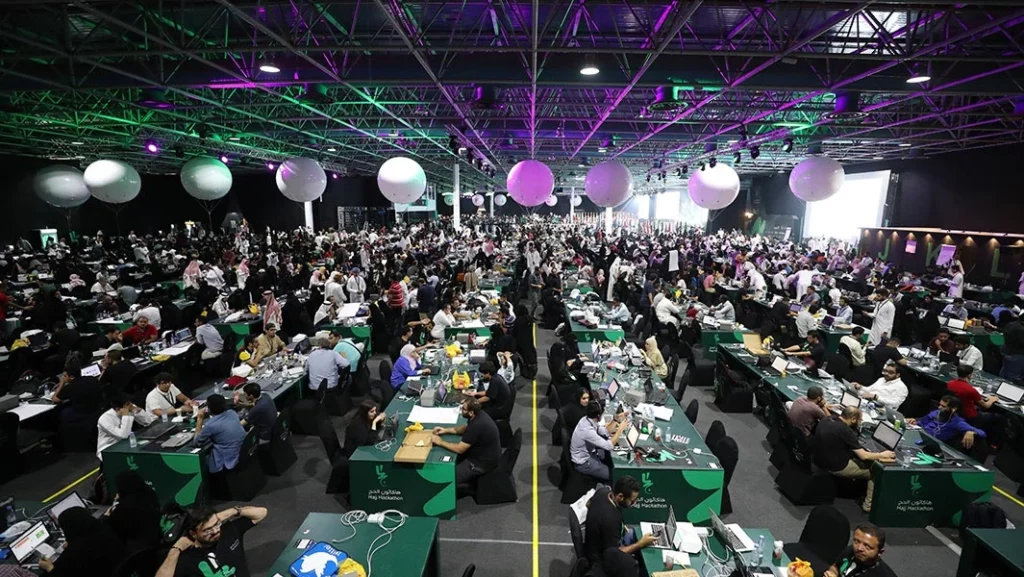
Saudi Arabia has launched a major nationwide tourism innovation drive with the rollout of its Tourism Hackathons Programme across eight cities, signaling a transformative shift in how travel solutions are being developed across the Middle East. Spearheaded by the Tourism Development Fund (TDF), the initiative is designed to accelerate entrepreneur-led innovation and strengthen the region’s tourism ecosystem, with implications extending to neighboring markets such as the United Arab Emirates.
The program, which opened for registration on April 28, 2026, is part of the TDF Grow initiative—focused on enabling non-financial support for startups and innovators. By providing a collaborative platform for creative problem-solving, the hackathons aim to generate scalable solutions that enhance visitor experiences, improve operational efficiency, and support the Kingdom’s Vision 2030 goals.
Nationwide Expansion Unlocks Regional Talent
In its latest edition, the Tourism Hackathons Programme is expanding its reach across eight major Saudi cities: Riyadh, Makkah, Taif, Qassim, Hail, AlUla, Jeddah, and Khobar. This decentralized approach ensures that regional insights and local expertise are integrated into tourism innovation efforts.
By tapping into diverse talent pools, the initiative is expected to generate a wide range of solutions tailored to different tourism segments. Each city brings unique strengths—from cultural heritage in AlUla to urban tourism in Riyadh—allowing participants to address real-world challenges with localized strategies.
This regional inclusivity also mirrors broader Middle East tourism trends, where destinations are focusing on differentiated experiences to attract global travelers.
Innovation Tracks Target End-to-End Travel Experience
The hackathons are structured around critical areas of tourism development, including accommodation, guiding services, experience design, and supporting infrastructure. Special emphasis is placed on digital tourism services, alternative lodging options, and integrated booking and transport systems.
Participants are encouraged to develop solutions that enhance every stage of the traveler journey—from planning and booking to on-ground experiences. Key focus areas also include rural, cultural, religious, and medical tourism, all of which are rapidly growing segments in the region.
For the hospitality industry, these innovations could translate into improved service delivery, smarter booking systems, and more personalized travel experiences—factors that are increasingly influencing destination choice among international visitors.
Strong Track Record Drives Momentum
The 2026 program builds on the success of previous editions held in 2024 and 2025. Earlier cycles attracted more than 802 registrants and over 533 active participants, resulting in the creation of more than 128 startups. Additionally, over 50 commercial registrations were facilitated, enabling new businesses to enter the market.
These outcomes highlight the program’s role as a catalyst for entrepreneurship in the tourism sector. By connecting startups with funding opportunities and strategic partners, the initiative ensures that innovative ideas are transformed into viable businesses.
As the new cycle begins, expectations are high for increased participation and the development of more advanced travel solutions.
Boosting Tourism Economy and Startup Ecosystem
The hackathons are designed not only to generate ideas but also to drive economic growth. By fostering innovation in key areas such as accommodation and transport, the program supports the development of a more competitive and diversified tourism industry.
Alternative lodging concepts, including eco-lodges and boutique heritage stays, are being explored to meet evolving traveler preferences. At the same time, digital platforms for booking and navigation are expected to streamline travel logistics, making destinations more accessible and efficient.
For airlines, hotels, and tour operators, these advancements offer opportunities to enhance service offerings and attract a broader customer base.
Regional Impact Extends to UAE and Beyond
The influence of Saudi Arabia’s tourism innovation initiatives is being closely watched across the Gulf region, including the UAE. As both countries invest heavily in tourism infrastructure and digital transformation, collaborative and competitive dynamics are shaping the future of travel in the Middle East.
Innovations emerging from Saudi hackathons could inspire similar programs in neighboring markets, fostering a regional ecosystem of tourism technology and entrepreneurship. This cross-border impact is expected to accelerate the development of smart tourism solutions across the GCC.
Focus on Sustainability and Cultural Integration
A key component of the program is experience design, which integrates cultural heritage with modern tourism offerings. By preserving local identity while embracing innovation, Saudi Arabia aims to create unique and sustainable travel experiences.
Medical and religious tourism are also prioritized, reflecting their significant contribution to the national economy. Digital solutions in these areas are expected to simplify travel processes and improve accessibility for millions of visitors annually.
Shaping the Future of Travel Innovation
The Tourism Hackathons Programme represents a strategic investment in the future of travel. By empowering local talent and encouraging entrepreneurship, the initiative is building a resilient tourism ecosystem capable of adapting to global trends.
As the sessions roll out across cities like Riyadh, Makkah, and Jeddah, the collaborative environment is expected to generate partnerships between public and private stakeholders. These connections will play a crucial role in scaling innovative ideas and ensuring long-term success.
With continued support from the Tourism Development Fund, Saudi Arabia is positioning itself as a leader in tourism innovation. The program not only strengthens the Kingdom’s domestic tourism market but also contributes to shaping the future of travel solutions across the Middle East, aligning with the ambitious goals of Vision 2030.
For more travel news like this, keep reading Global Travel Wire