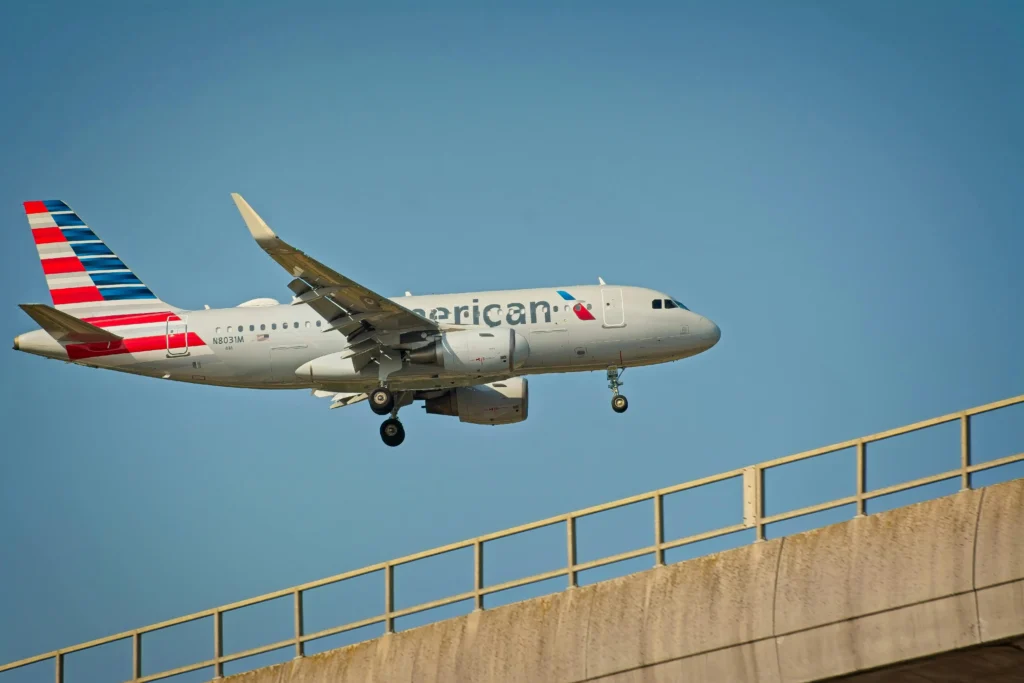
New York’s John F. Kennedy International Airport (JFK) faced a major operational upheaval on May 7, 2026, leaving passengers stranded and travel plans in disarray. With 133 flights delayed and 10 canceled, the disruption reverberated across key global routes to destinations like London, Paris, Dubai, Singapore, and domestic hubs such as Los Angeles. Major carriers, including American Airlines, Delta Air Lines, JetBlue, British Airways, and Emirates, were caught in the turmoil.
Aviation Bottlenecks: Why JFK’s Disruption Is Part of a Larger Trend
The disruption at JFK didn’t occur in isolation. It reflects mounting pressure on U.S. aviation infrastructure. The Federal Aviation Administration (FAA) has highlighted ongoing congestion at JFK, pointing to departure gate holds, taxi delays, and arrival disruptions. In a highly interconnected network, delays at a major hub like JFK ripple across the nation and beyond.
With increasing passenger volumes, operational bottlenecks are becoming more common. Aircraft rotations are tightly scheduled, meaning delays in one location quickly affect aircraft availability at another. This creates a chain reaction of delayed flights and frustrated passengers.
Impacted Routes: From London to Los Angeles
The scale of the disruption impacted both international and domestic travel. Flights to major cities—London, Paris, Dubai, Singapore, and Toronto—were delayed. On the domestic front, travelers heading to and from Los Angeles felt the impact. As these are key routes, the disruption affected thousands of travelers in a single day.
For airlines like American Airlines, Delta, JetBlue, British Airways, and Emirates, the logistical challenge of repositioning aircraft and rebooking passengers became a full-day task.
Traveler Experience: Long Queues and Rebooking Hurdles
Passengers caught in the disruption faced the immediate challenge of long queues at airline counters. Many waited for hours to secure rebooking options, particularly for long-haul international flights. Overcrowded gate areas further added to the frustration. The challenge is exacerbated when inbound flights arrive late, delaying subsequent outbound flights.
Seat availability on later flights is limited. With airlines operating at high capacity, rebooking international passengers often means delays of several hours or even days. This not only affects travel plans but also creates challenges for those connecting to other destinations.
Systemic Congestion: A Wake-Up Call for U.S. Aviation
JFK’s disruption is a symptom of a larger problem. The United States aviation system is under strain due to rising travel demand. Airport capacity, staffing, and air traffic management systems are struggling to keep pace. The FAA has been introducing.