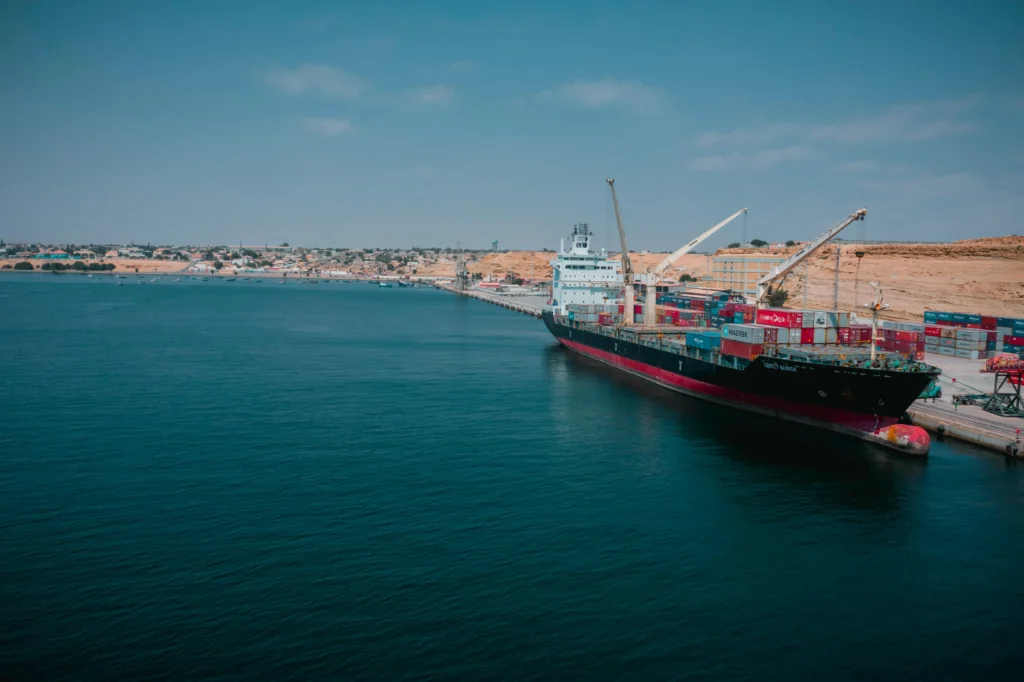
The turquoise waters of the Suez Canal served as the historic backdrop for a transformative moment in international diplomacy and economic strategy this month. The World Travel & Tourism Council (WTTC) successfully concluded its inaugural Leadership Cruise, a high-level summit held from May 6 to May 9, 2026. This landmark event gathered over 300 of the world’s most influential tourism figures, including government ministers, former heads of state, and top-tier private sector executives, to address the pressing challenges facing the industry and to solidify a roadmap for Middle East tourism recovery.
The summit took place aboard the Crystal Serenity during its transit through the Suez Canal, a location chosen for its deep symbolic value as a global artery of connectivity. As the sector navigates a complex geopolitical landscape, the gathering aimed to send a definitive message of strength and unity. Official statements from the WTTC and the Egyptian Ministry of Tourism and Antiquities emphasized that while external disruptions exist, the industry’s capacity for innovation and cooperation remains its greatest asset.
A Strategic Response to Global Disruption
The timing of the Leadership Cruise was critical. With regional fluctuations impacting aviation patterns and traveler flows, the WTTC had previously noted the potential for significant daily economic losses across the wider regional tourism network if proactive measures were not taken. The discussions held during the three-day program were designed to counteract these pressures by focusing on four primary pillars: restoring international connectivity, addressing sector-wide workforce shortages, rebuilding traveler confidence, and fostering robust cross-border cooperation.
Gloria Guevara, President and CEO of the WTTC, highlighted that the event was specifically designed to bring global leaders together at a pivotal juncture. She noted that the process of rebuilding trust in international travel requires a level of coordination between the public and private sectors that transcends traditional borders. The presence of leaders from Europe, Latin America, and the Middle East underscored the global nature of this recovery mission.
Egypt as a Model for Tourism Infrastructure and Growth
The Egyptian government, acting as the host for this prestigious program, utilized the platform to showcase its own remarkable trajectory of tourism development. Official statistics released by the Ministry of Tourism and Antiquities reveal a stunning fiscal recovery, with tourism revenues climbing from US$4.9 billion in the 2020/21 period to over US$18 billion by 2025. This growth is attributed to a comprehensive national strategy focused on infrastructure expansion and aviation modernization.
During the summit, Egypt’s Minister for Tourism and Antiquities, Sherif Fathy, detailed the country’s vision for a diversified travel economy. Central to this vision is the Grand Egyptian Museum in Cairo. Recently opened to the public, this world-class institution houses more than 100,000 artifacts and represents one of the largest investments in cultural tourism globally. By combining ancient heritage with modern sustainable development, Egypt is positioning itself as a resilient anchor for the Mediterranean and Red Sea travel markets.
High-Level Diplomacy and Private Sector Synergy
The Leadership Cruise was distinguished by the caliber of its attendees, bridging the gap between political oversight and commercial execution. Participants included former Mexican President Felipe Calderón, former Argentine President Mauricio Macri, and former Italian Prime Minister Matteo Renzi. Their presence highlighted the consensus that tourism is not just a commercial activity but a vital tool for economic diplomacy and cultural exchange.
From the private sector, senior leadership from global giants such as American Express Travel, Chase Travel, and City Sightseeing Worldwide engaged in sessions aimed at streamlining the investment climate. Discussions centered on how to make tourism infrastructure more attractive to international investors, particularly in emerging markets. Manfredi Lefebvre d’Ovidio, Chairman of the WTTC, remarked that the gathering reflected the industry’s determination to move forward with clarity, using the Suez Canal transit as a visual metaphor for the sector’s ability to navigate through narrow and complex passages toward open horizons.
Promoting Sustainable and Integrated Travel Experiences
Sustainability and innovation were woven throughout the summit’s agenda. As global travelers become more discerning, the “new” Middle East tourism model is shifting toward integrated experiences that offer both luxury and environmental responsibility. Ahmed Youssef, CEO of the Egyptian Tourism Authority, expressed that Egypt is actively merging its extraordinary historical assets with innovative technologies to create world-class travel experiences that are both diverse and sustainable.
The summit also addressed the “human” element of tourism—the workforce. With the industry facing a global talent gap, leaders discussed strategies for making tourism a more attractive career path through better training, certification, and regional mobility. By ensuring a steady supply of skilled professionals, the industry can maintain the high service standards that are essential for maintaining traveler confidence during periods of uncertainty.
A Recurring Platform for Global Dialogue
The WTTC has indicated that this Leadership Cruise is intended to be the first of many, serving as a recurring platform for high-level dialogue. The goal is to create a permanent mechanism where the public and private sectors can coordinate their responses to disruption in real-time, rather than reacting in isolation.
As the Crystal Serenity completed its journey through the Suez Canal, the consensus among the 300 leaders was clear: the travel and tourism sector is not merely surviving; it is evolving. By prioritizing connectivity and shared investment goals, the industry is building a future that is more resilient to geopolitical shifts. The success of the event in Egypt serves as a blueprint for how destinations can leverage their unique cultural assets and strategic geography to drive economic growth and foster global unity. With the Grand Egyptian Museum now open and revenues hitting record highs, the message from the Suez is one of optimism, proving that when the world travels together, it moves toward a more stable and prosperous future.
For more travel news like this, keep reading Global Travel Wire