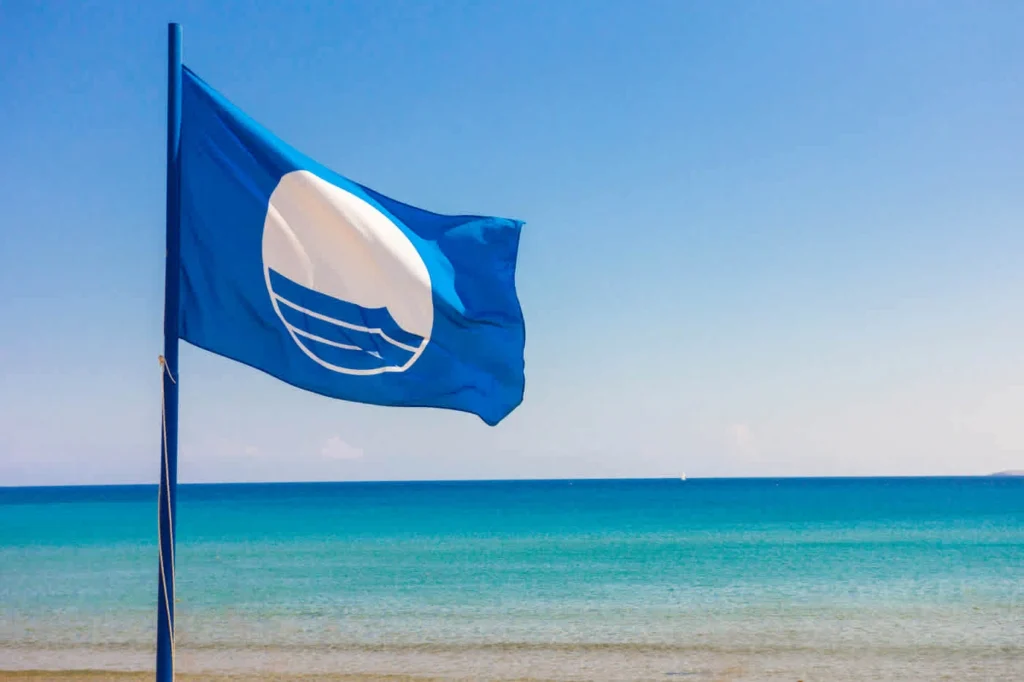
Greece has secured second place worldwide in the 2026 Blue Flag Awards, reinforcing its reputation as one of the world’s leading destinations for sustainable beach tourism and environmentally responsible travel.
The latest rankings highlight Greece’s long-term commitment to eco-tourism, coastal preservation, and sustainable tourism management. With hundreds of certified beaches and marinas across the country, Greece continues to position itself as a global benchmark for high-quality coastal tourism experiences centered on environmental stewardship and visitor safety.
The achievement further strengthens Greece’s standing within the competitive Mediterranean tourism market, where clean beaches, sustainable practices, and eco-conscious travel experiences are increasingly influencing traveler decisions.
Blue Flag Certification Remains a Global Benchmark for Sustainable Tourism
The Blue Flag program, operated by the Foundation for Environmental Education, is one of the world’s most recognized environmental certifications for beaches and marinas.
Established in 1987, the international program evaluates destinations based on strict standards related to water quality, environmental management, safety, public services, and environmental education.
To receive Blue Flag certification, beaches and marinas must maintain exceptionally high standards in waste management, water cleanliness, accessibility, visitor safety, and sustainability practices. Educational programs focused on environmental awareness are also a core requirement of the certification process.
Tourism analysts note that Blue Flag recognition has become increasingly important within the global travel industry as environmentally conscious travelers actively seek destinations committed to sustainability and responsible tourism development.
Greece Continues Dominating Mediterranean Beach Tourism
Greece’s extensive coastline and island network have long made the country one of Europe’s leading beach tourism destinations. The country’s strong performance in the 2026 Blue Flag rankings reflects decades of investment in coastal preservation, environmental protection, and sustainable tourism infrastructure.
From the Cyclades and Crete to the Ionian Islands and mainland coastal regions, Greece continues attracting millions of international travelers seeking pristine beaches, crystal-clear waters, and eco-friendly tourism experiences.
The country’s tourism authorities and local municipalities have worked closely to improve water management systems, reduce coastal pollution, strengthen recycling programs, and expand environmentally responsible tourism services across popular beach destinations.
Industry observers increasingly view Greece as one of the Mediterranean’s strongest examples of balancing mass tourism demand with environmental conservation.
Sustainable Tourism Becomes Central to Greece’s Tourism Strategy
Tourism remains one of Greece’s most important economic sectors, contributing significantly to national employment, regional development, and international investment.
As global tourism evolves, Greece has increasingly prioritized sustainable tourism as a long-term strategy designed to protect its natural resources while maintaining its competitiveness within the international travel market.
Eco-tourism initiatives, waste reduction policies, water conservation programs, and sustainable coastal management have become central components of Greece’s tourism development plans.
Travelers visiting Blue Flag-certified beaches in Greece can increasingly expect environmentally friendly facilities, improved accessibility, eco-conscious transportation options, and public awareness programs focused on preserving marine ecosystems and coastal habitats.
Tourism experts note that sustainability is no longer viewed as an optional feature within the hospitality and tourism industry but rather as a major factor influencing traveler behavior and destination reputation.
Blue Flag Beaches Continue Attracting Eco-Conscious Travelers
The growing importance of environmental awareness among travelers has increased the value of certifications like Blue Flag within the tourism sector.
Modern travelers are placing greater emphasis on clean environments, sustainability policies, and responsible tourism practices when choosing vacation destinations. Blue Flag beaches often benefit from higher visitor confidence, stronger international visibility, and increased tourism demand.
For Greece, the latest rankings are expected to further strengthen its appeal among eco-conscious travelers from Europe, North America, Asia, and the Middle East.
Beach tourism remains one of the country’s strongest travel segments, and environmental certifications help reinforce Greece’s image as a safe, clean, and sustainable Mediterranean destination.
Investments in Coastal Management Continue Delivering Results
Greece’s success in the Blue Flag program is largely attributed to long-term investments in coastal management and environmental infrastructure.
Local governments and tourism authorities have introduced numerous measures aimed at protecting beaches and marine environments, including improved waste collection systems, stricter pollution controls, sustainable tourism guidelines, and enhanced public amenities.
Many coastal destinations have also implemented environmental education campaigns designed to encourage responsible traveler behavior and increase awareness about marine conservation.
These efforts align with broader European sustainability goals focused on climate resilience, biodiversity protection, and responsible tourism growth.
Greece Plans to Expand Sustainable Tourism Initiatives
Despite its strong global ranking, Greece continues working toward expanding Blue Flag certification to additional beaches and marinas, particularly in lesser-known coastal regions seeking tourism development opportunities.
Authorities are also expected to strengthen environmental education programs for both residents and international visitors while increasing collaboration with global sustainability organizations.
Future tourism strategies will likely focus on reducing plastic waste, protecting biodiversity, improving water conservation, and strengthening climate adaptation efforts across coastal tourism zones.
Industry experts believe destinations that continue prioritizing sustainability will hold a major competitive advantage as global travelers become increasingly selective about environmental responsibility.
Greece Reinforces Its Position as a Premier Eco-Tourism Destination
Greece’s second-place finish in the 2026 Blue Flag Awards reflects the country’s growing leadership within sustainable tourism and environmentally responsible beach management.
With its combination of world-famous coastlines, eco-conscious tourism policies, and strong environmental standards, Greece continues attracting travelers seeking both natural beauty and sustainable travel experiences.
As global tourism shifts toward greater environmental awareness, Greece’s commitment to preserving its beaches and coastal ecosystems positions the country strongly for continued tourism growth while protecting the Mediterranean’s natural heritage for future generations.
For more travel news like this, keep reading Global Travel Wire