Brazil has entered 2026 under heightened international scrutiny after government authorities and global travel agencies issued updated travel safety guidance amid increasing gang violence, economic instability, and security concerns across several regions of the country. The new cautionary measures arrive at a time when global tourism markets are already facing uncertainty due to rising fuel prices, disrupted shipping routes, and geopolitical tensions affecting international travel demand.
The latest advisory encourages travelers to remain vigilant in urban areas and avoid certain border regions where organized crime activity has intensified. While Brazil remains open to international tourism and continues welcoming millions of visitors annually, officials are urging tourists to follow updated safety recommendations and rely only on secure transportation, verified accommodations, and authorized tourism services.
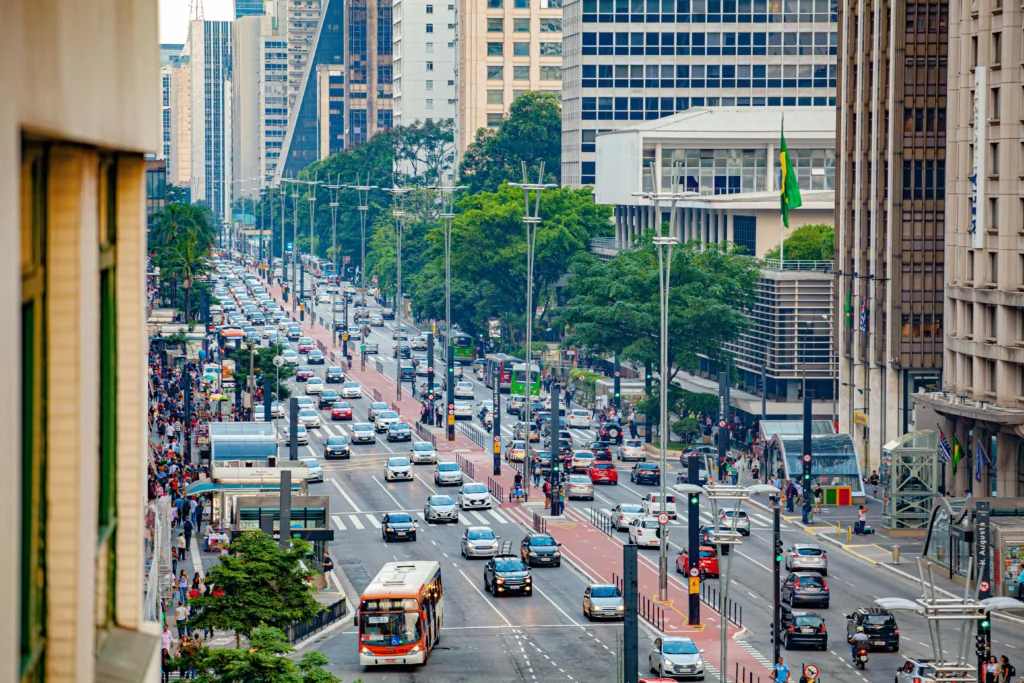
The travel warning reflects growing concerns surrounding public safety in several major cities, including Rio de Janeiro, São Paulo, and Salvador. Authorities have reported increases in robbery, gang-related activity, and organized criminal operations in densely populated districts. Tourism agencies continue to promote Brazil’s iconic attractions, but travelers are being encouraged to exercise additional caution, especially during nighttime hours.
Brazil remains one of South America’s most important tourism destinations. The country continues attracting international visitors to famous landmarks including Christ the Redeemer, Copacabana Beach, the Amazon rainforest, and Iguazu Falls. However, the convergence of economic pressures and global geopolitical instability has complicated the travel landscape for both tourists and the aviation sector.
One of the biggest global developments affecting Brazil tourism in 2026 is the continued energy crisis tied to tensions in the Middle East. The disruption of oil shipments through the Strait of Hormuz has caused international fuel prices to surge dramatically, creating operational challenges for airlines, cruise operators, and logistics companies worldwide. The sharp increase in fuel costs has contributed to higher airfare prices and increased transportation expenses across South America.
Brazil’s tourism economy has felt the impact of these global disruptions. Airlines operating long-haul services to South America are adjusting schedules and reviewing operating costs as jet fuel prices continue climbing. International carriers connecting Brazil with Europe, North America, and the Middle East are focusing heavily on route optimization and fuel-efficient aircraft to maintain operations.
At the same time, inflationary pressure inside Brazil has added further strain on local communities. Rising costs for transportation, food, and essential goods have created economic challenges in some urban neighborhoods, contributing to higher crime rates and social tension. Tourism officials continue working closely with local authorities to maintain visitor confidence while reinforcing security measures around major tourist zones.
Travel experts note that despite the cautionary advisory, Brazil’s tourism infrastructure remains operational and many major attractions continue functioning normally. Airports, hotels, guided tour services, and cultural attractions across key tourism hubs remain open and active. Major tourism districts in Rio de Janeiro and São Paulo continue receiving domestic and international travelers, particularly during festivals, sporting events, and holiday seasons.
Border regions, however, remain an area of significant concern. Authorities have advised against unnecessary travel near certain international borders due to risks associated with smuggling networks, illegal trafficking operations, and organized crime groups. Areas near the borders with Venezuela, Bolivia, Paraguay, and parts of northern Brazil are receiving heightened monitoring from law enforcement agencies.
Tourism officials are emphasizing that travelers who follow official guidance can still enjoy Brazil safely. Visitors are encouraged to use registered transportation providers, avoid displaying valuables in public, and remain within well-known tourism districts. Travelers are also advised to monitor official travel alerts and maintain updated travel insurance coverage during their stay.
Brazil’s hospitality sector continues adapting to the changing environment. Luxury hotels, beachfront resorts, and eco-tourism operators are strengthening private security systems and enhancing guest support services. Many tourism businesses are introducing additional traveler assistance programs, airport transfer services, and multilingual safety support for international guests.
The country’s aviation industry is also navigating the effects of rising operational costs. Brazilian airports continue handling millions of passengers each month, although some airlines have adjusted capacity due to fuel market volatility. Industry analysts believe airlines serving South America will increasingly rely on newer fuel-efficient aircraft and optimized international routes to offset rising expenses.
Despite the current challenges, Brazil’s Ministry of Tourism continues promoting the country’s cultural heritage and natural attractions through international campaigns. Eco-tourism destinations in the Amazon region, beach resorts along the Atlantic coast, and heritage cities remain central to Brazil’s tourism strategy for 2026.
Tourism boards are also highlighting safer travel practices, encouraging visitors to book through authorized operators and stay informed through official government advisories. Local tourism agencies believe that strong coordination between law enforcement, airports, and hospitality providers will help maintain traveler confidence during the ongoing period of global uncertainty.
Global tourism experts say the situation in Brazil reflects how interconnected international travel has become. Geopolitical tensions, energy supply disruptions, and economic instability in one part of the world can quickly influence tourism flows and traveler behavior in another. The ongoing oil crisis and transport disruptions are now reshaping travel planning worldwide, affecting destinations far beyond the Middle East.
For travelers planning a trip to Brazil in 2026, preparation and awareness will remain essential. While many destinations remain welcoming and operational, authorities are advising visitors to prioritize safety, stay informed about local conditions, and follow official recommendations throughout their journey.
For more travel news like this, keep reading Global Travel Wire