Brunei is intensifying its tourism ambitions for 2026 as the Southeast Asian nation promotes its iconic landmarks, pristine rainforests, Islamic heritage, and eco-tourism experiences to international travelers seeking culturally rich and nature-focused destinations.
Government tourism initiatives are increasingly highlighting Brunei’s blend of architectural grandeur, environmental preservation, and authentic cultural experiences as global travel demand shifts toward sustainable tourism and lesser-explored destinations across Asia.
Tourism officials continue positioning Brunei as a premium destination for travelers seeking peaceful luxury, biodiversity, heritage tourism, and immersive local experiences away from heavily crowded regional hotspots.
The country’s tourism strategy places strong emphasis on promoting landmark attractions in Bandar Seri Begawan, eco-tourism in Temburong, river tourism in Kampong Ayer, and coastal leisure experiences along the South China Sea.
Bandar Seri Begawan Remains the Centerpiece of Brunei Tourism
Brunei’s capital city, Bandar Seri Begawan, continues serving as the heart of the nation’s tourism industry through its combination of Islamic architecture, cultural landmarks, and modern urban development.
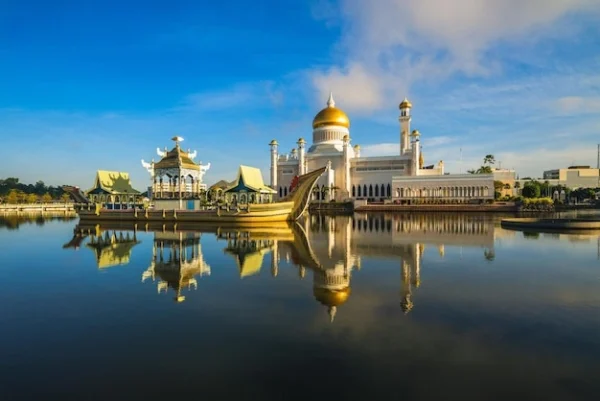
Among the city’s most recognizable attractions is the Omar Ali Saifuddien Mosque, widely regarded as one of Southeast Asia’s most visually striking religious landmarks. Featuring a gold dome, marble minarets, and a lagoon setting surrounded by gardens and fountains, the mosque remains one of Brunei’s most photographed tourist destinations.
Tourism campaigns continue promoting the site as a symbol of Brunei’s cultural identity and architectural excellence. The mosque attracts international visitors interested in Islamic heritage tourism, photography, and historical exploration.
Another major attraction is the Jame’ Asr Hassanil Bolkiah Mosque, known for its expansive prayer halls, golden domes, and large landscaped complex. As the country’s largest mosque, it plays a central role in both religious life and tourism promotion efforts.
Tourism authorities say the capital’s architectural landmarks continue driving international interest in Brunei’s heritage tourism sector as more travelers seek culturally immersive experiences across Southeast Asia.
Riverfront Attractions and Sunset Tourism Gain Popularity
Bandar Seri Begawan’s waterfront developments are also emerging as important tourism assets. Taman Mahkota Jubli Emas, a large riverfront park located near the city center, has become increasingly popular for evening tourism, photography, and public recreation.
The park offers panoramic views of Kampong Ayer and Brunei River while providing visitors with pedestrian walkways, landscaped spaces, and sunset viewpoints overlooking the capital’s skyline.
One of the park’s most recognizable attractions is The Frame Brunei Darussalam, a dedicated viewing and photography spot designed to capture panoramic images of the surrounding mosques, riverfront, and water village scenery.
Tourism officials continue investing in urban beautification and public tourism infrastructure as part of broader efforts to strengthen Bandar Seri Begawan’s appeal as a leisure destination for both international visitors and cruise passengers arriving in Brunei.
Kampong Ayer Continues Driving Cultural Tourism
Kampong Ayer, often referred to as the “Venice of the East,” remains one of Brunei’s most iconic tourism experiences. The historic water village consists of stilt-based settlements connected by wooden walkways and bridges stretching across the Brunei River.
The destination offers travelers an opportunity to experience traditional Bruneian life while exploring one of the world’s largest surviving water village communities.
The Kampong Ayer Cultural and Tourism Gallery serves as a major starting point for guided tours, educational programs, and cultural experiences designed to showcase the area’s heritage and community life.
River cruises operating through Kampong Ayer have also become increasingly popular among tourists seeking wildlife encounters and scenic river experiences. Visitors frequently travel along the Brunei River to spot proboscis monkeys and observe Brunei’s tropical ecosystems from the water.
Tour operators say nature-based river tourism remains one of the country’s fastest-growing visitor segments.
Ulu Temburong National Park Strengthens Eco-Tourism Growth
Brunei’s eco-tourism sector continues gaining momentum through destinations such as Ulu Temburong National Park, widely promoted as the “Green Jewel of Brunei.”
Located in the Temburong District, the protected rainforest reserve offers visitors access to one of the world’s oldest tropical rainforest ecosystems. The park is especially known for its canopy walkway, which provides elevated panoramic views across dense rainforest landscapes.
Eco-tourism operators continue expanding guided experiences that include jungle trekking, river exploration, wildlife observation, and environmental education.
Tourism authorities emphasize low-impact tourism practices within the park to preserve biodiversity while supporting sustainable tourism development.
Global demand for eco-tourism and wellness-oriented travel has helped increase international interest in Brunei’s rainforest destinations as travelers increasingly prioritize conservation-focused tourism experiences.
Beaches and Rainforest Adventures Expand Tourism Diversity
Beyond the capital and rainforest reserves, Brunei is also promoting coastal tourism and outdoor adventure travel as part of its broader tourism diversification strategy.
Muara Beach and Serasa Beach continue attracting visitors seeking quieter seaside experiences along the South China Sea. The beaches remain popular among families, cruise passengers, and regional tourists looking for accessible coastal escapes near Bandar Seri Begawan.
In Belait District, destinations such as Teraja Waterfalls and the surrounding Labi rainforest region are gaining recognition for hiking, waterfall tourism, and wildlife-focused excursions.
Tourism operators say Brunei’s rainforest and waterfall experiences appeal strongly to travelers seeking off-the-beaten-path adventure tourism without the overcrowding often associated with larger Southeast Asian destinations.
Brunei Expands Its Global Tourism Vision for 2026
As Brunei prepares for 2026, tourism authorities continue focusing on infrastructure upgrades, destination promotion, environmental sustainability, and cultural preservation as part of the nation’s long-term tourism development strategy.
Industry analysts believe Brunei’s growing focus on eco-tourism, heritage tourism, wellness travel, and premium cultural experiences positions the country well within evolving global travel trends.
With increasing international interest in sustainable and authentic travel experiences, Brunei is strengthening its reputation as a destination offering a rare balance of natural beauty, cultural depth, and peaceful luxury in Southeast Asia.
From the golden domes of Bandar Seri Begawan to the rainforests of Temburong and the waterways of Kampong Ayer, Brunei’s tourism sector appears poised for significant international growth in the years ahead.
For more travel news like this, keep reading Global Travel Wire