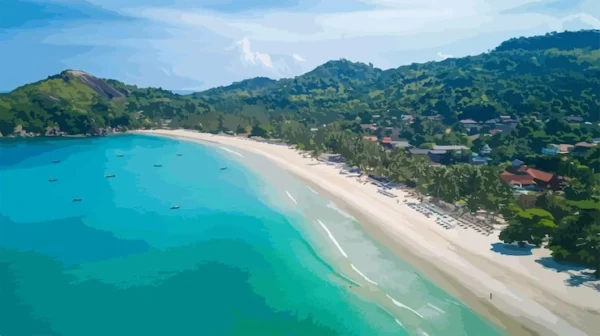
Thailand has officially secured its place among the world’s most celebrated coastal destinations after one of its iconic beaches ranked within the global top 10 beaches for 2026. The recognition positions Thailand alongside internationally renowned tourism powerhouses including the Philippines, Spain, Greece, Australia, the Maldives, Seychelles, Brazil, and the United States.
The achievement marks a major milestone for Thailand’s tourism industry as the country continues strengthening its international reputation through sustainable tourism, marine conservation, luxury travel, and eco-focused coastal experiences.
Tourism officials and industry analysts say the recognition is expected to accelerate international visitor demand while reinforcing Thailand’s standing as one of the world’s leading tropical tourism destinations.
The accolade also highlights the increasing importance of sustainable tourism management as travelers worldwide continue prioritizing environmentally protected beaches, authentic nature experiences, and marine biodiversity.
Similan Islands Lead Thailand’s Global Beach Tourism Rise
Thailand’s recognition centers on the Similan Islands in Phang Nga Province, one of Southeast Asia’s most celebrated marine destinations. Known for crystal-clear waters, white sand beaches, dramatic granite formations, and exceptional underwater ecosystems, the islands have become a flagship symbol of Thailand’s coastal tourism appeal.
The Similan Islands National Park has long attracted divers, snorkelers, photographers, and eco-tourists seeking access to some of the region’s richest marine biodiversity. Whale sharks, manta rays, coral reefs, and protected marine habitats continue drawing international travelers to the destination.
Tourism authorities say the ranking validates Thailand’s ongoing efforts to balance tourism growth with environmental protection through visitor management systems, marine conservation programs, and sustainable tourism regulations.
Industry experts believe the recognition could further increase demand for luxury island tourism, diving excursions, boutique resorts, and eco-tourism experiences across Southern Thailand.
Philippines, Spain, Greece, and Maldives Continue Dominating Global Beach Tourism
Thailand now joins an elite group of global beach destinations that continue shaping international coastal tourism trends.
The Philippines secured recognition through Palawan, particularly the internationally famous regions of El Nido and Coron. Known for limestone cliffs, hidden lagoons, turquoise waters, and strong eco-tourism initiatives, Palawan remains one of Asia’s most sought-after island destinations.
Spain maintained its presence on the global beach tourism stage through Ibiza and Formentera in the Balearic Islands. While internationally known for nightlife tourism, the islands also continue attracting luxury travelers through their secluded coves, sustainable tourism programs, and Mediterranean coastal experiences.
Greece’s Navagio Beach on Zakynthos once again reinforced the Mediterranean country’s dominance in premium coastal tourism. Often referred to as Shipwreck Beach, the destination remains one of Europe’s most photographed seaside locations due to its towering cliffs and turquoise waters.
The Maldives also retained its global reputation for luxury island tourism through Baa Atoll, where marine conservation efforts, overwater resorts, and protected coral reef ecosystems continue attracting affluent international travelers.
Sustainable Tourism Emerges as a Key Driver of Global Beach Rankings
One of the strongest themes connecting the world’s top beach destinations in 2026 is the growing emphasis on sustainability and ecological preservation.
Countries featured in the rankings are increasingly investing in environmental protection policies, marine conservation, controlled tourism development, and eco-tourism infrastructure designed to protect fragile coastal ecosystems while supporting long-term visitor growth.
Thailand’s inclusion highlights the country’s broader tourism strategy focused on sustainable destination management, especially in environmentally sensitive marine regions such as the Similan Islands, Phi Phi Islands, and national marine parks.
Global tourism trends show travelers increasingly favoring destinations that prioritize biodiversity protection, responsible tourism practices, and low-impact travel experiences.
Tourism authorities across Southeast Asia, Europe, and the Indian Ocean are now using sustainability-focused branding to attract environmentally conscious visitors seeking authentic coastal experiences with reduced ecological impact.
Australia, Seychelles, Brazil, and Hawaii Strengthen Luxury Coastal Tourism Appeal
Australia’s Whitehaven Beach in Queensland continued reinforcing the country’s reputation for eco-tourism and marine adventure travel. Located near the Great Barrier Reef, the destination remains globally recognized for silica sands, pristine waters, and protected natural environments.
Seychelles secured its position through Anse Source d’Argent, where unique granite rock formations and Indian Ocean scenery continue attracting luxury travelers and photographers from around the world.
Brazil’s Baia do Sancho in Fernando de Noronha also maintained international recognition due to its highly protected marine environment, limited visitor access, and dramatic coastal landscapes.
Meanwhile, Maui in Hawaii strengthened the United States’ presence within the rankings through beaches known for luxury resorts, surfing culture, and environmentally conscious tourism experiences.
Tourism experts say luxury beach tourism increasingly overlaps with wellness travel, sustainability, experiential tourism, and conservation-focused destination marketing.
Thailand’s Tourism Industry Prepares for Rising International Demand
Tourism leaders believe Thailand’s inclusion among the world’s top coastal destinations could generate major economic and tourism benefits over the coming years.
Higher international visibility is expected to support hotel occupancy growth, airline demand, marine tourism expansion, cruise activity, and regional hospitality investment across Thailand’s southern provinces.
Travel operators also anticipate increased demand for premium island experiences, eco-resorts, diving packages, and wellness-focused beach tourism products targeting high-value international travelers.
Industry analysts note that Thailand’s ability to combine accessibility, affordability, luxury experiences, biodiversity, and strong tourism infrastructure gives the country a competitive advantage within the global beach tourism market.
Thailand Strengthens Its Position as a Global Tourism Powerhouse
As international tourism continues recovering and travelers increasingly seek environmentally responsible destinations, Thailand appears well-positioned to benefit from evolving global travel trends.
The country’s recognition alongside destinations such as the Philippines, Spain, Greece, Australia, the Maldives, Seychelles, Brazil, and Hawaii reinforces its growing influence within the international tourism sector.
For Thailand, the achievement represents more than global recognition for a single beach destination. It signals the country’s broader transformation into a world-leading tourism hub capable of balancing luxury travel, marine conservation, cultural tourism, and sustainable development.
With growing international demand for pristine coastal escapes and eco-conscious travel experiences, Thailand’s tourism industry is expected to remain one of Southeast Asia’s strongest tourism growth stories well beyond 2026.
For more travel news like this, keep reading Global Travel Wire