Europe’s spectacular waterfalls are drawing growing international attention ahead of the 2026 summer travel season as travelers increasingly seek nature-based tourism, outdoor adventures, and scenic destinations across the continent.
From the thunderous Rhine Falls in Switzerland to Iceland’s volcanic cascades and Croatia’s turquoise lake systems, Europe’s waterfalls are becoming major attractions for travelers looking to combine hiking, photography, wellness tourism, and eco-focused travel experiences.
Tourism boards and regional travel operators across Europe are also investing heavily in nature tourism infrastructure, scenic hiking routes, viewing platforms, and sustainable visitor experiences designed to support rising demand for outdoor travel.
Industry analysts say waterfall tourism is benefiting from broader travel trends centered around adventure tourism, wellness escapes, and environmentally conscious vacations, particularly among younger travelers and long-haul international visitors.
Switzerland’s Rhine Falls Continues Dominating European Nature Tourism
Among Europe’s most iconic waterfall attractions, Rhine Falls near Schaffhausen remains one of Switzerland’s leading summer tourism destinations.
Stretching more than 150 meters wide, Rhine Falls is widely recognized as Europe’s largest waterfall by volume and continues attracting visitors from around the world with its dramatic power and panoramic scenery.
Boat excursions taking travelers close to the crashing waters remain one of the destination’s most popular experiences, while elevated viewing platforms offer ideal photography opportunities overlooking the Rhine River.
Swiss tourism officials continue promoting Rhine Falls as part of the country’s broader strategy focused on alpine tourism, sustainable outdoor travel, and experiential nature-based tourism.
The waterfall’s accessibility from Zurich and other major Swiss transport hubs also strengthens its appeal among international tourists exploring multi-destination European itineraries.
Austria’s Krimml Waterfalls Offers Alpine Adventure Tourism Experiences
Austria’s Krimml Waterfalls, located within Hohe Tauern National Park, continues strengthening the country’s position within Europe’s adventure tourism market.
With a total drop of approximately 380 meters, Krimml Waterfalls is considered one of Europe’s tallest waterfalls and remains a major attraction for hikers, mountain travelers, and outdoor enthusiasts visiting the Austrian Alps.
The surrounding hiking trails provide direct access to multiple viewing areas where visitors can experience the mist-filled alpine environment while exploring scenic mountain landscapes.
Tourism operators say demand for active outdoor vacations continues increasing across Austria as travelers seek immersive experiences that combine physical activity, fresh air, and natural scenery.
The waterfall’s location inside one of Europe’s most important national parks also supports Austria’s growing focus on sustainable eco-tourism and protected nature experiences.
Lauterbrunnen Valley Strengthens Switzerland’s Scenic Tourism Appeal
Another Swiss destination attracting major summer visitor interest is Lauterbrunnen Valley, often referred to as the “Valley of 72 Waterfalls.”
Surrounded by dramatic cliffs, alpine villages, and green meadows, the valley has become one of Europe’s most photographed natural landscapes. Waterfalls such as Staubbachfall and Mürrenbachfall cascade from towering rock faces, creating spectacular scenery throughout the region.
The destination continues attracting hikers, wellness travelers, photographers, and luxury alpine tourists seeking quieter scenic escapes within the Swiss Alps.
Tourism officials say the region benefits strongly from Switzerland’s rail tourism infrastructure, allowing visitors easy access to mountain villages, hiking trails, and panoramic viewing points connected to waterfall attractions.
Croatia’s Plitvice Lakes National Park Expands Eco-Tourism Popularity
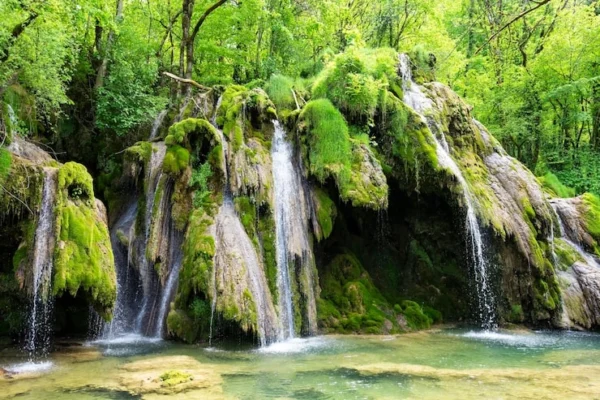
Croatia’s Plitvice Lakes National Park remains one of Europe’s most visited eco-tourism destinations due to its interconnected waterfalls, turquoise lakes, and forest landscapes.
The UNESCO-protected national park is internationally known for its cascading waterfalls flowing between a series of crystal-clear lakes connected by wooden boardwalks and walking paths.
Summer remains the peak tourism season as visitors explore the park’s vibrant greenery, wildlife, and water systems under favorable weather conditions.
Croatian tourism authorities continue promoting Plitvice as a flagship eco-tourism destination while implementing visitor management measures aimed at preserving the fragile natural environment.
Travel analysts note that Croatia’s growing popularity as a sustainable nature tourism destination is helping diversify the country’s tourism economy beyond coastal beach travel.
Iceland’s Waterfalls Continue Driving Adventure and Road Trip Tourism
Iceland’s Skógafoss and Seljalandsfoss waterfalls remain among the country’s most internationally recognized tourism landmarks.
Skógafoss, known for its immense power and towering 60-meter drop, continues attracting adventure travelers, photographers, and road trip tourists exploring Iceland’s southern coastline.
Nearby Seljalandsfoss offers one of Europe’s most unique waterfall experiences, allowing visitors to walk behind the falling water for panoramic views of Iceland’s volcanic landscapes.
Tourism operators say waterfall tourism plays a major role in Iceland’s growing adventure travel market, particularly among visitors combining glacier tours, hiking, geothermal attractions, and scenic driving experiences.
Iceland’s tourism industry continues emphasizing sustainable destination management as international demand for Nordic nature travel experiences remains strong.
Norway and Italy Showcase Europe’s Diverse Waterfall Experiences
Norway’s Vinnufossen, one of Europe’s tallest waterfalls with an 860-meter drop, continues attracting experienced hikers and remote adventure travelers seeking untouched alpine scenery.
Located in Møre og Romsdal, the glacier-fed waterfall offers dramatic mountain landscapes and quieter tourism experiences compared to more crowded European destinations.
Meanwhile, Italy’s Cascate delle Marmore in Umbria combines historical engineering with natural beauty. Originally created by ancient Roman hydraulic systems, the three-tiered waterfall remains one of Italy’s most important nature attractions.
Visitors continue exploring walking trails, guided tours, and evening illumination events that transform the waterfalls into a major summer tourism experience.
Nature Tourism Continues Reshaping Europe’s Summer Travel Trends
Across Europe, waterfalls are increasingly becoming centerpiece attractions within the continent’s broader nature tourism strategy.
Travelers are showing growing interest in destinations that combine outdoor adventure, wellness, sustainability, photography, and slower travel experiences away from heavily urbanized tourism centers.
Tourism boards are responding by expanding hiking infrastructure, promoting eco-tourism initiatives, improving public transport access, and protecting environmentally sensitive destinations.
Industry experts believe waterfall tourism will remain one of Europe’s fastest-growing travel segments as global travelers continue prioritizing authentic natural experiences and environmentally conscious tourism choices.
From Switzerland’s Rhine Falls and Austria’s alpine cascades to Iceland’s volcanic waterfalls and Croatia’s turquoise lake systems, Europe’s waterfall destinations are expected to remain among the continent’s strongest summer tourism draws throughout 2026 and beyond.
For more travel news like this, keep reading Global Travel Wire