Norway is set to transform European rail travel with the launch of a historic direct international train service linking Oslo with Copenhagen, Hamburg, and Berlin beginning in summer 2028. The long-awaited route will allow passengers to travel across four countries without changing trains for the first time in more than two decades, marking a major milestone for sustainable tourism and long-distance rail connectivity in Europe.
The new service will be operated through a partnership between Vy, Norway’s state-owned railway operator, DSB of Denmark, and Germany’s Deutsche Bahn. Tourism leaders and transport authorities say the route represents one of the most ambitious cross-border rail projects in Northern Europe in recent years, offering travelers a seamless alternative to short-haul flights and lengthy road journeys.
Once operational, passengers will be able to board in Oslo and remain on the same train all the way to Berlin, with stops through Sweden and Denmark along the route. The service is expected to dramatically improve tourism access between Scandinavia and central Europe while supporting Europe’s wider sustainability and low-emission transport goals.
Europe Revives a Lost Era of Direct International Rail Travel
The launch of the Oslo-to-Berlin direct service will restore a rail connection absent since the 1990s, reviving an era when international train travel played a larger role in connecting Europe’s major cities.
Rail operators involved in the project say the new service reflects growing traveler demand for comfortable, environmentally responsible transportation. Across Europe, tourists are increasingly choosing trains over flights for regional and cross-border journeys as governments invest heavily in rail infrastructure and climate-friendly transport solutions.
The full route between Oslo and Berlin is expected to take approximately fourteen to fifteen hours, while travelers heading to Copenhagen will be able to complete the journey in roughly seven hours. Despite the long travel time, tourism experts believe the experience itself will become a major attraction as travelers embrace scenic slow travel and overnight-style rail journeys.
The route will also become one of Europe’s longest direct daytime train services, connecting Norway, Sweden, Denmark, and Germany through a single uninterrupted rail corridor.
Major Tourism Cities and Regional Destinations Gain New Access
The direct service will connect some of Northern Europe’s most important tourism and business destinations while also bringing increased visitor traffic to regional cities along the route.
In Norway, stops will include Oslo, Moss, Fredrikstad, Sarpsborg, and Halden before continuing south into Sweden. Travelers will then pass through major Swedish destinations including Göteborg, Halmstad, Helsingborg, Lund, and Malmö.
In Denmark, the route will serve Copenhagen Airport, Copenhagen Central Station, Odense, Kolding, and Padborg before entering Germany and continuing to Hamburg and Berlin.
Tourism authorities expect the expanded connectivity to encourage multi-country travel itineraries, allowing visitors to combine Scandinavian and German destinations in one seamless journey. Hotels, restaurants, cultural attractions, and regional tourism operators are anticipated to benefit from longer stays and increased cross-border visitor movement.
The route also creates new opportunities for rail-based tourism packages, city-hopping itineraries, and sustainable vacation experiences that appeal to environmentally conscious travelers.
Sustainable Travel Demand Drives Rail Expansion
The launch comes at a time when European governments and tourism organizations are intensifying efforts to reduce aviation emissions and promote low-carbon transport alternatives.
Rail travel produces significantly lower carbon emissions than short-haul air travel, and operators believe the new route could help shift a portion of regional travel demand away from flights between Scandinavia and Germany.
European tourism experts say travelers are increasingly prioritizing eco-friendly transportation when planning vacations, especially across shorter and medium-haul routes where rail offers competitive convenience.
The direct Oslo-Berlin service is expected to become especially popular among younger travelers, digital nomads, backpackers, and leisure tourists seeking scenic and sustainable ways to explore Europe.
Officials involved in the project say the service also demonstrates the growing importance of international rail cooperation in Europe, particularly through systems such as the European Rail Traffic Management System, which simplifies cross-border train operations and improves efficiency.
Modern Comforts Aim to Compete With Airlines
The trains operating on the route will be designed for long-distance comfort and are expected to include spacious seating, onboard dining, private cabins, Wi-Fi connectivity, and relaxation areas.
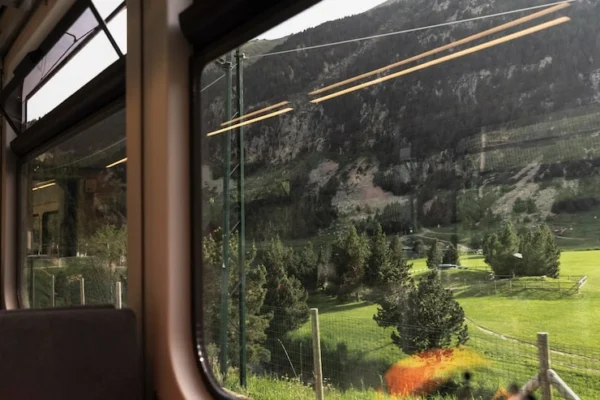
Large panoramic windows will allow travelers to experience changing landscapes throughout the journey, from Norway’s fjords and forests to Denmark’s countryside and Germany’s urban centers.
Rail operators say the onboard experience will focus heavily on comfort and convenience, positioning the journey itself as part of the travel experience rather than simply transportation.
Tourism analysts believe this approach aligns with the broader rise of experiential travel, where travelers increasingly value scenic journeys, slower pacing, and immersive transportation experiences.
A New Chapter for European Rail Tourism
The Oslo-to-Berlin direct service is widely seen as part of a broader European rail renaissance that is reshaping tourism across the continent. Governments, railway companies, and tourism boards are increasingly investing in international train routes as demand grows for sustainable and connected travel networks.
With direct access across four countries and no transfers required, the new route is expected to become one of Europe’s flagship long-distance rail journeys when it launches in 2028.
For travelers, it promises a rare combination of convenience, sustainability, and scenic adventure. For Europe’s tourism industry, it signals a powerful new era where rail travel once again becomes central to the continent’s international tourism future.
For more travel news like this, keep reading Global Travel Wire