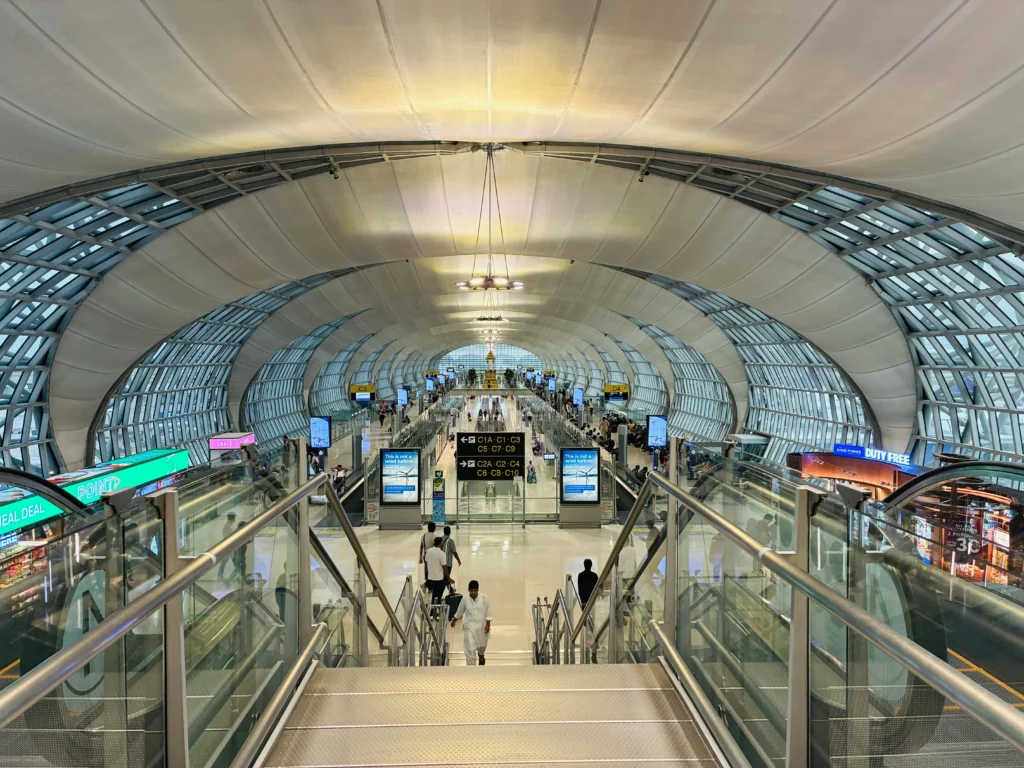
Global aviation networks are facing major disruptions after rising regional tensions in the Middle East triggered temporary airspace restrictions across several countries. Airports in the United Arab Emirates, Qatar, Iraq, and Israel have experienced operational interruptions, forcing international airlines to suspend or cancel flights to key travel hubs including Dubai, Doha, Abu Dhabi, Riyadh, and Tel Aviv.
Dubai International Airport and Al Maktoum International Airport have resumed limited operations after temporary shutdowns, according to official airport advisories. However, airport authorities have warned passengers to travel to terminals only if they hold confirmed bookings, as flight schedules remain highly unstable. Hamad International Airport in Doha also reported disruptions linked to regional airspace closures.
The aviation crisis has rapidly impacted tourism, business travel, and international connectivity across the Gulf region, which serves as one of the world’s busiest transit corridors linking Europe, Asia, Africa, and North America.
International Airlines Suspend Dubai and Doha Flights
A growing number of international airlines have announced temporary cancellations and route suspensions to Middle East destinations. Airlines are adjusting schedules to prioritize passenger safety while complying with government airspace restrictions and operational advisories.
British Airways announced one of the broadest suspension plans, halting services to and from Amman, Bahrain, Doha, Dubai, and Tel Aviv until later this month. The airline also confirmed that flights between the United Kingdom and Abu Dhabi may remain suspended for an extended period.
Greek carrier Aegean Airlines suspended flights to Dubai and Abu Dhabi through mid-March, while routes to Riyadh, Beirut, and Baghdad were also paused. Latvia-based airBaltic confirmed cancellations on Dubai operations, including selected Europe-Gulf services.
Air France temporarily halted flights to Dubai and Riyadh, while KLM extended its Dubai suspension until the end of March. Finnair suspended both Dubai and Doha operations as airlines continue rerouting aircraft away from restricted airspace zones.
LOT Polish Airlines paused Dubai and Riyadh flights, while ITA Airways announced temporary suspensions on Gulf services. Pegasus Airlines also confirmed cancellations covering Dubai, Doha, Abu Dhabi, and Sharjah.
Asian and North American Airlines Adjust Gulf Operations
The impact of the Middle East aviation crisis is extending well beyond Europe. Several Asian and North American airlines have suspended services to Gulf destinations as operational uncertainty grows.
Cathay Pacific cancelled flights to Dubai and Riyadh until the end of March, while Japan Airlines temporarily suspended its Tokyo–Doha route. Malaysia Airlines also halted Doha flights following airspace advisories issued by regional authorities.
Air Canada confirmed the suspension of Dubai operations, reflecting the wider trend among global carriers reevaluating Middle East flight schedules amid ongoing instability.
Major airline groups in Europe have also implemented route adjustments. Lufthansa Group carriers, including Austrian Airlines, Swiss International Air Lines, and Brussels Airlines, suspended multiple Gulf and Middle East routes. Flights to Dubai, Abu Dhabi, Dammam, Tehran, and Beirut have been affected as airlines respond to evolving security conditions.
Dubai Airports Continue Operations with Caution
Despite operational disruptions, Dubai Airports confirmed that both Dubai International Airport and Al Maktoum International Airport remain operational with modified schedules. Authorities are working closely with airlines and aviation regulators to maintain passenger services while ensuring airspace safety.
The UAE aviation sector remains a vital component of global tourism and international transit. Dubai International Airport consistently ranks among the world’s busiest airports for international passengers, connecting travelers across more than 240 destinations worldwide.
The UAE’s General Civil Aviation Authority and airport operators continue monitoring regional developments and coordinating with international aviation authorities to maintain safe flight operations.
Travelers transiting through Dubai have been advised to regularly monitor airline communications and verify departure schedules before leaving for the airport. Airlines are offering flexible rebooking policies and travel waivers in response to widespread disruptions.
Middle East Tourism Faces Temporary Travel Challenges
The temporary suspension of flights to Gulf hubs is expected to affect tourism flows across the region during the current travel period. Dubai and Doha are major global tourism and transit destinations, welcoming millions of international visitors annually for leisure, business, and cultural events.
Tourism authorities across the Gulf continue emphasizing that airports, hotels, and tourism infrastructure remain operational despite airline disruptions. Many regional carriers are gradually restoring selected routes where airspace conditions permit.
Industry experts believe the aviation situation will remain fluid until regional tensions stabilize and airspace restrictions are fully lifted. Airlines continue adjusting schedules daily based on updated safety assessments and government directives.
Travelers Urged to Check Flight Status Regularly
Passengers planning to travel to or through Dubai, Doha, Abu Dhabi, Riyadh, and other Middle East hubs are strongly encouraged to confirm flight schedules directly with airlines before departure. Airport authorities have warned that delays, cancellations, and route changes may continue throughout the coming weeks.
Travelers are also advised to review airline rebooking policies, ensure travel insurance coverage, and allow additional time for airport processing due to evolving operational conditions.
While Gulf airports continue functioning under revised schedules, the regional aviation sector remains focused on restoring stability and maintaining safe travel corridors for millions of passengers worldwide.
For more travel news like this, keep reading Global Travel Wire