Vietnam’s Điện Biên Province is rapidly transforming into one of Southeast Asia’s most compelling heritage and eco-cultural tourism destinations as the historic battlefield region evolves through infrastructure modernization, rising museum tourism, and ambitious digital travel innovation initiatives. Seventy-two years after the landmark Battle of Điện Biên Phủ, the province is entering a new era that combines historical preservation with sustainable tourism growth and regional economic development.
Once known internationally almost exclusively for its role in Vietnam’s military history, Điện Biên is now emerging as a dynamic tourism and cultural hub in northwestern Vietnam. Local authorities and national tourism planners have intensified efforts to reposition the province as a destination where heritage tourism, eco-travel, cultural immersion, and modern infrastructure converge.
The province’s transformation reflects a broader strategy aimed at strengthening regional connectivity, increasing tourism revenue, improving quality of life for residents, and preserving the historical identity that continues to define Điện Biên on the global stage.
Historic Battle Sites Continue Driving Tourism Growth
Heritage tourism remains the cornerstone of Điện Biên’s tourism economy, with historical attractions drawing increasing numbers of domestic and international visitors each year.
Among the province’s most visited sites is Hill A1, one of the most important battle locations connected to the 1954 Battle of Điện Biên Phủ. Preserved trenches, monuments, memorials, and interpretive displays allow travelers to explore the historical significance of the battlefield while gaining deeper insight into Vietnam’s modern history.
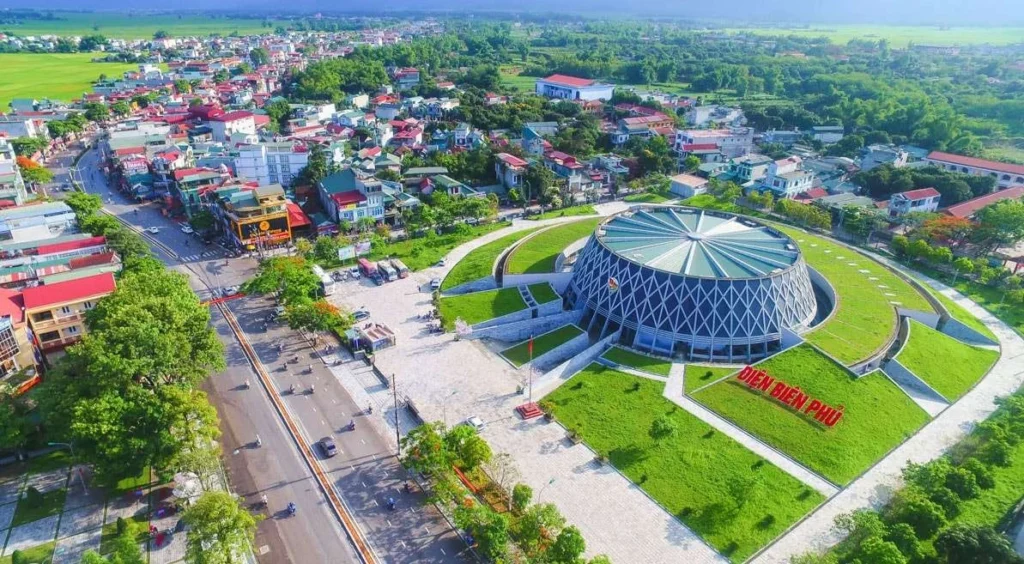
The Điện Biên Phủ Victory Museum has also become a major tourism centerpiece. Featuring curated exhibitions, military artifacts, multimedia storytelling, and educational installations, the museum offers visitors a detailed understanding of the historic campaign that shaped the region’s international legacy.
Tourism officials report that visitor numbers to these heritage attractions have continued rising steadily, strengthening the province’s tourism sector and generating increasing economic activity for local communities.
The growth of educational tourism, guided historical tours, and cultural experiences has further expanded the destination’s appeal among younger travelers, students, and international visitors interested in heritage-focused travel experiences.
Tourism Revenue Expands Across Local Communities
The increase in tourism arrivals has created significant economic opportunities throughout Điện Biên Province. Hotels, guesthouses, restaurants, transportation operators, and cultural tourism businesses are benefiting from rising visitor demand and longer travel stays.
Tourism authorities say the province has seen consistent growth in tourism-related income in recent years as more travelers explore the region’s combination of historical landmarks, mountainous landscapes, ethnic culture, and rural experiences.
Community-based tourism programs have also gained momentum, encouraging visitors to engage directly with local traditions, regional cuisine, handicrafts, and indigenous cultural practices. These initiatives are helping distribute tourism income more broadly across rural districts and ethnic minority communities.
Officials emphasize that tourism now plays a central role in employment creation and income diversification, particularly in remote areas where economic opportunities were previously limited.
Infrastructure Expansion Reshapes Accessibility
Major infrastructure improvements have accelerated Điện Biên’s development and significantly improved tourism accessibility across the province.
Transportation upgrades, including improved highways, expanded rural roads, and airport enhancements, are making it easier for travelers to reach the region from other parts of Vietnam. Improved connectivity has also strengthened links between urban centers and remote tourism areas, supporting broader regional integration.
Government development programs have additionally focused on modernizing healthcare, education, and public services throughout the province. Renovated schools, upgraded hospitals, and expanded public infrastructure are improving living standards while supporting long-term economic resilience.
Tourism analysts say these infrastructure investments are essential for sustaining future tourism growth and positioning Điện Biên as a more accessible destination within Vietnam’s rapidly expanding travel market.
Sustainable and Digital Tourism Strategies Gain Momentum
Sustainability has become a major priority in Điện Biên’s tourism planning as authorities seek to balance visitor growth with environmental protection and heritage conservation.
Tourism development initiatives increasingly emphasize eco-friendly travel experiences, responsible tourism management, and preservation of both natural and cultural assets. Officials say maintaining the authenticity of historical sites and local traditions remains critical as tourism demand continues increasing.
At the same time, digital transformation projects are reshaping how travelers experience the province. Smart tourism platforms, digital mapping systems, online visitor information services, and technology-driven destination management tools are being introduced to modernize tourism operations and improve visitor accessibility.
Tourism planners believe these digital initiatives will help attract younger and international travelers who increasingly rely on mobile technology and online travel resources when planning trips.
The province’s modernization strategy aligns closely with Vietnam’s broader national efforts to strengthen digital infrastructure and sustainable tourism development across emerging destinations.
Regional Integration Strengthens Long-Term Growth
Điện Biên is also becoming increasingly integrated into wider northwestern Vietnam tourism circuits and regional economic development strategies.
Improved transport connectivity and cross-border cooperation are supporting stronger tourism flows, trade activity, and investment opportunities between neighboring provinces and nearby border regions. Tourism authorities believe these partnerships will help position Điện Biên as a key gateway destination for northern Vietnam.
Regional tourism promotion campaigns are also expanding awareness of the province’s historical significance, natural beauty, and cultural diversity among international travel markets.
Heritage Preservation Remains at the Core of Development
Despite rapid modernization, Điện Biên’s historical identity continues to remain central to its long-term development vision. Authorities have repeatedly emphasized the importance of protecting battle sites, preserving cultural heritage, and promoting historical education for future generations.
Tourism experts say the province’s ability to combine historical preservation with modern tourism infrastructure is becoming one of its strongest competitive advantages within Vietnam’s tourism industry.
As Điện Biên marks seventy-two years since the historic battle that shaped its identity, the province’s evolution reflects a larger story of resilience, transformation, and cultural pride.
With expanding tourism infrastructure, growing museum visitation, and increasing international visibility, Điện Biên is steadily emerging as one of Vietnam’s most important heritage tourism destinations while setting a powerful example of sustainable regional development in Southeast Asia.
For more travel news like this, keep reading Global Travel Wire