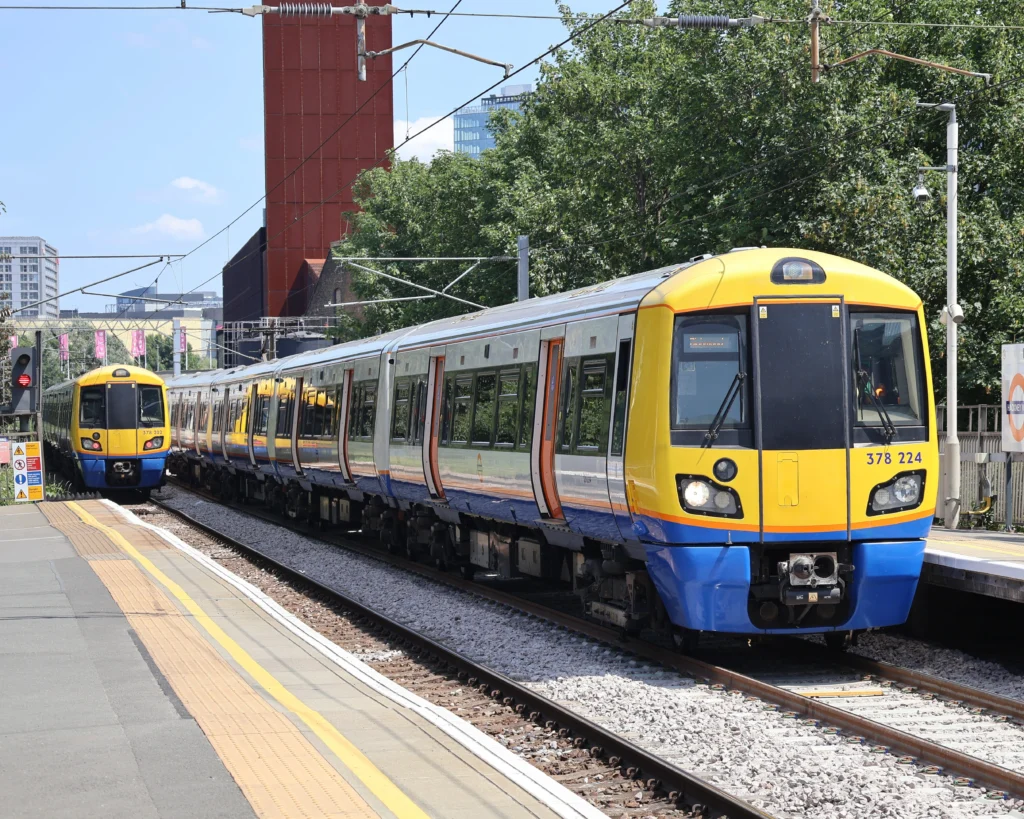
London’s transport network is set for a major commuter upgrade as Olympia partners with Transport for London to fund additional peak-time services on the Mildmay Line, targeting overcrowding and improving travel reliability across North London. The collaboration marks a significant investment in urban mobility at a time when passenger demand continues rising sharply throughout the capital.
The enhanced services are designed to tackle congestion during the busiest commuting hours, particularly as population growth and new residential developments increase pressure on public transportation infrastructure. Transport planners say the initiative will improve passenger comfort, strengthen reliability, and encourage greater use of sustainable transport options across the city.
Under the agreement, additional trains will operate during morning and evening rush-hour periods, helping reduce crowding on one of North London’s increasingly important commuter routes. Officials expect the first expanded services to begin operating by early next year, with the full rollout scheduled for completion by late 2026.
Growing Passenger Demand Drives Urgent Expansion
The Mildmay Line has become a vital transport corridor connecting key communities across North London, serving thousands of daily commuters traveling to workplaces, schools, entertainment districts, and commercial centers.
Transport authorities report that ridership on the line has surged significantly over the past two years, fueled by housing expansion and continued urban development across surrounding neighborhoods. Passenger numbers have reportedly risen by nearly 20 percent during this period, creating mounting pressure on existing peak-hour services.
The rapid increase in demand has led to persistent overcrowding during morning and evening rush periods, with commuters frequently experiencing packed trains and platform congestion. Transport for London and Olympia say the new funding package directly addresses these operational challenges while preparing the route for future growth.
By expanding service frequency during the busiest travel windows, the partnership aims to improve overall journey reliability while giving passengers greater flexibility and shorter waiting times.
New Peak-Time Trains to Improve Daily Commuting
The additional services will focus specifically on the city’s busiest commuting periods between 7:00 AM and 9:00 AM, as well as 4:30 PM and 6:30 PM. These timeframes account for the highest passenger volumes across the line and are expected to benefit most from increased train frequency.
Transport officials say the expanded timetable will reduce overcrowding and improve punctuality while helping passengers experience smoother, less stressful journeys. The upgrades are also expected to support station operations by distributing passenger flow more evenly throughout peak hours.
Olympia’s funding contribution will support both operational and technical improvements, including staffing and service reliability measures. Officials involved in the project say maintaining high service standards remains a priority as passenger numbers continue increasing.
For commuters, the changes are expected to deliver immediate benefits including improved comfort, faster boarding, and more dependable arrival times. The enhanced service levels are particularly important for residents who rely heavily on public transportation for access to employment hubs and educational institutions across London.
Economic and Tourism Benefits Extend Beyond Commuters
The impact of the Mildmay Line expansion is expected to extend beyond daily commuting, benefiting local businesses, hospitality venues, and visitor traffic across North London.
Improved transport connectivity often plays a major role in increasing foot traffic to shopping districts, restaurants, entertainment venues, and cultural attractions. Tourism and business groups say more reliable rail services can help strengthen local economies by making destinations easier to access throughout the day.
Businesses near stations along the route are expected to benefit from increased visitor movement and improved accessibility for employees. Easier transportation access can also support broader regeneration efforts across developing neighborhoods in North London.
Urban tourism experts note that efficient public transport systems are increasingly important to city travelers seeking fast and convenient access to multiple districts without relying on private vehicles.
Sustainability Goals Remain Central to the Partnership
Environmental sustainability is another major driver behind the initiative. London continues pursuing ambitious net-zero carbon goals, and public transport expansion remains central to reducing road congestion and vehicle emissions.
Transport for London has consistently emphasized the importance of shifting more journeys away from private cars and toward rail, buses, and active transportation. Officials say improving service quality and reliability is essential to encouraging long-term behavioral changes among commuters.
By adding more frequent train services, the partnership aims to make public transport a more attractive alternative to driving, particularly during heavily congested commuting periods. Reduced car dependency could help lower emissions while improving overall air quality across the capital.
Urban mobility analysts say investments like this are increasingly important as cities worldwide confront rising population density and sustainability challenges.
A Long-Term Vision for London’s Transport Future
The Mildmay Line partnership reflects a broader strategy focused on strengthening London’s transportation resilience as the city continues growing. Transport planners say proactive investment is necessary to ensure infrastructure can accommodate rising passenger demand over the coming decade.
Officials indicate that the success of the additional services could influence future transport investments elsewhere in the city, particularly on routes experiencing similar congestion pressures.
For now, the expansion represents a major step toward improving daily travel for thousands of Londoners while reinforcing the importance of modern, sustainable urban rail systems.
As implementation moves forward, the collaboration between Olympia and Transport for London is being viewed as a strong example of how public-private partnerships can help modernize transport infrastructure, enhance commuter experience, and support the future growth of one of the world’s busiest global cities.
For more travel news like this, keep reading Global Travel Wire