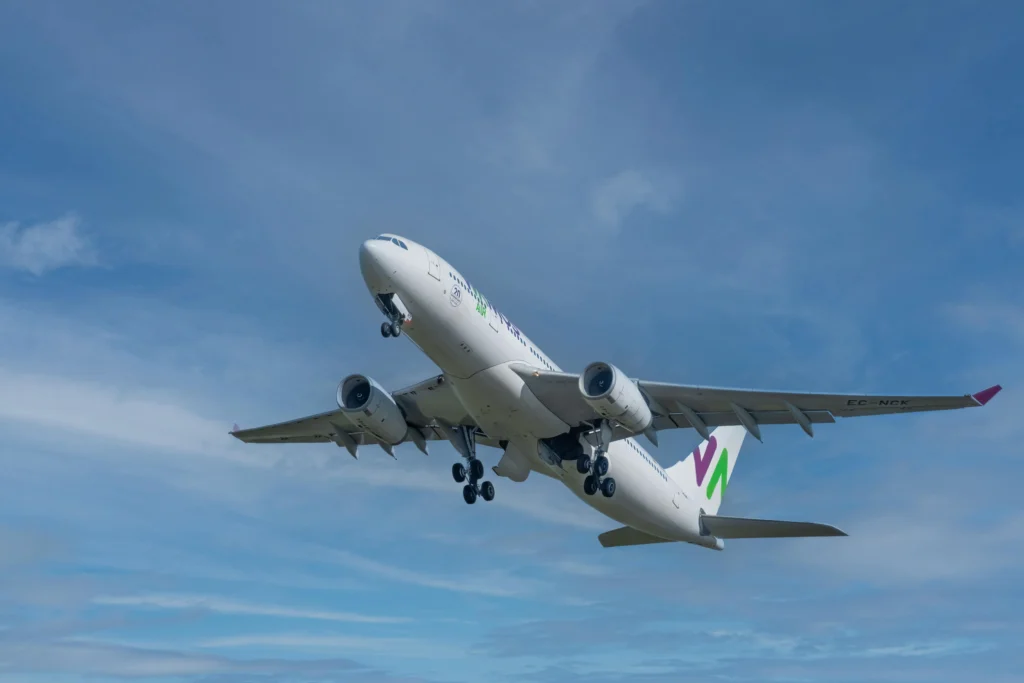
The cross-border aviation network connecting major urban centers in Mexico and the United States is experiencing an injection of modern, eco-friendly transport capacity. Volaris, a prominent low-cost carrier operating across Latin American and North American markets, has officially integrated two new next-generation aircraft into its commercial operations. The arrival of these advanced airframes marks a major step forward for the carrier’s eco-efficient fleet renewal strategy, cementing its status as an operator of one of the youngest and most resource-efficient aircraft pools in the region.
The latest equipment deliveries represent aircraft numbers 156 and 157 to join the carrier’s active inventory. This fleet expansion arrives at a critical operational period, directly aligning with an aggressive, multi-route network scaling initiative scheduled to launch. By deploying these highly advanced assets, the airline is strategically positioning itself to satisfy the seasonal surge in cross-border summer vacationers and multi-national leisure travelers.
Technical Specifications and Assembly Origin of the New Airframes
The newly delivered aircraft represent two distinct size classes within the highly successful Airbus New Engine Option (NEO) family, specifically configured to maximize cabin comfort while minimizing per-passenger fuel burn. The first unit is an Airbus A320neo, officially documented under the registration XA-TVH, which features a single-class layout optimized to carry 186 passengers. The second, larger asset is an Airbus A321neo, carrying the registration XA-VUZ, which offers an expanded payload capacity of 239 seats.
Both of these specialized aircraft were manufactured and delivered from the Airbus corporate final assembly line located in Mobile, Alabama, in the United States. This manufacturing origin highlights the deeply integrated industrial relationship that links North American aerospace production with the expanding commercial aviation sector of Latin America.
The A320neo asset has already entered active passenger service, executing its initial commercial rotations out of the high-altitude hub of Mexico City International Airport (AICM). Meanwhile, the high-capacity A321neo airframe is structurally scheduled to clear its final line inspections and enter scheduled commercial service by the middle of this month.
Strengthening Cross-Border Air Corridors for Summer Travel
The primary operational objective for these new aircraft is to bolster flight frequencies and support a wave of 33 new domestic and international routes set to debut. These upcoming services are strategically timed to capture the high-density summer holiday season, providing direct point-to-point links that bypass traditional, highly congested hub-and-spoke networks.
Starting in June, the newly deployed NEO aircraft will be heavily utilized to link thriving cultural and economic hubs across Mexico—including Guadalajara, Puebla, and Querétaro—with high-demand international gateways and tourism hubs in the United States, such as Los Angeles, Newark, and Houston.
For regional tourism boards, this expanded connectivity represents a significant economic opportunity. For instance, cities like Puebla and Querétaro will gain direct, non-stop access to major North American metropolitan regions, lowering travel friction for leisure tourists, families visiting relatives across borders, and business travelers. By providing efficient, cost-effective transport links, the carrier is helping to stimulate local hospitality, regional tour operators, and cross-border commercial partnerships.
Advancing Corporate Sustainability via Next-Generation Engineering
Beyond expanding seat capacity, the ongoing transition toward a predominantly NEO-configured fleet sits at the core of the airline’s environmental stewardship and corporate sustainability metrics. With these two new deliveries officially accounted for, next-generation NEO models now constitute 66 percent of the carrier’s total operating fleet.
The Airbus NEO family is widely recognized across the global aviation industry for its superior thermodynamic efficiency, driven by advanced Pratt & Whitney or CFM International high-bypass turbofan engines and drag-reducing wingtip devices known as Sharklets. In practice, these engineering improvements deliver double-digit reductions in fuel consumption and carbon dioxide emissions compared to legacy aircraft models.
Simultaneously, the advanced engines significantly shrink the aircraft’s external acoustic footprint, drastically reducing noise pollution in the immediate vicinity of urban airports. Corporate leadership emphasized that the integration of these aircraft reflects a deep commitment to offering a travel experience that balances comfort and affordability with a clear reduction in environmental impact. As international tourism continues to prioritize eco-conscious practices, investing in advanced technology ensures the airline can responsibly support the long-term growth of the regional travel ecosystem.