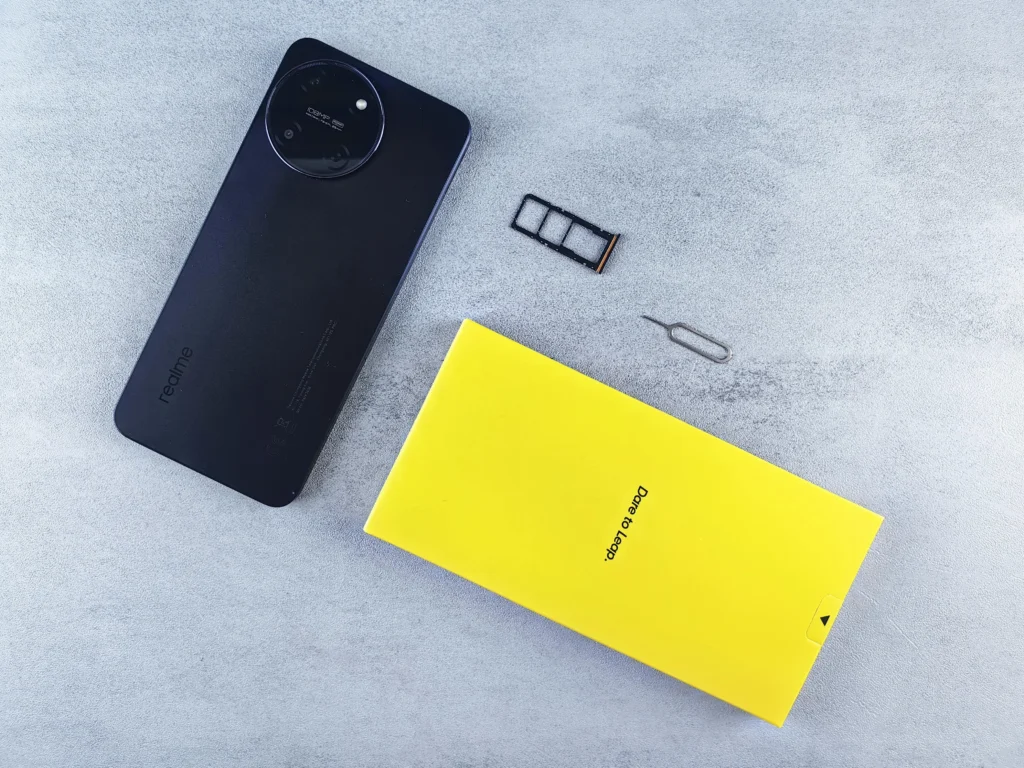
The era of the physical SIM card is rapidly fading into the background of travel history, replaced by a sophisticated software-driven landscape that caters to the modern, mobile-first world. In recent years, the logistical headache of sourcing local SIM cards upon arrival at international airports was a standard ritual for the global traveler. Today, official reports from telecommunications ministries and international tourism boards indicate a massive shift toward embedded and virtual communication tools, fundamentally altering the way the world stays connected while on the move.
This transition is not merely a technical upgrade; it represents a core change in the global tourism infrastructure. As remote-first work cultures become integrated into the travel industry, the demand for instant, borderless connectivity has reached an all-time high. Official statistics from global mobile trade associations show that eSIM adoption is no longer a niche trend but a primary requirement for the contemporary traveler, enabling seamless digital travel connectivity across multiple continents without the need for physical hardware.
The Rise of Embedded Technology in International Tourism
The acceleration of eSIM technology is a direct result of standardized integration by the world’s leading smartphone manufacturers. According to official announcements from major tech hubs, the move to embed SIM functionality directly into device motherboards has allowed mobile network operators to modernize their service delivery. Unlike the traditional plastic card, an eSIM is a permanent component that can be programmed and reprogrammed remotely.
For the international tourism sector, the benefits are transformative. Travelers can now download and activate localized or regional data plans via a simple QR code or a dedicated mobile application, often before they even board their flight. This instant activation eliminates the need to visit retail kiosks in foreign cities, reducing language barriers and improving personal security for tourists.
The official stance from several national tourism ministries highlights that this technology is a key driver for “staycations” and extended “workcations.” By allowing users to maintain their home number for essential authentication—such as banking and messaging—while simultaneously utilizing a local data plan for navigation and social media, eSIMs provide a dual-connectivity solution that traditional hardware simply cannot match.
Reshaping the Professional Landscape with Virtual Identities
Parallel to the rise of eSIMs is the growing importance of virtual phone numbers. These internet-based communication identities operate independently of physical SIM cards, allowing travelers, entrepreneurs, and remote workers to maintain a local presence in multiple countries simultaneously.
Official reports from small business administrations and digital economy bureaus note that virtual numbers are essential for the “remote-first” economy. A travel content creator or an international consultant can manage a business line in London while physically situated in Nairobi or Tokyo. This separation of identity from geography is crucial for maintaining professional continuity and privacy.
In the context of travel safety, virtual numbers offer an added layer of security. Tourism boards frequently advise travelers to be cautious with their primary contact information when signing up for local services or digital marketplaces abroad. Using a virtual number for temporary registrations protects a traveler’s primary identity from potential data breaches and unsolicited spam, a growing concern in the digital age.
The Impact of the Remote Work Economy on Telecom Standards
The “Remote Work Effect” is perhaps the most significant catalyst for the mainstreaming of these tools. Public information releases from various “Digital Nomad” visa programs—now offered by dozens of countries from Portugal to Thailand—show a clear correlation between reliable digital infrastructure and the attractiveness of a destination.
A professional spending several months traveling through Southeast Asia or Eastern Europe requires a communication setup that is as flexible as their itinerary. Traditional long-term telecom contracts, which often require local residency and physical documentation, are incompatible with this lifestyle. Digital connectivity tools solve this by offering “pay-as-you-go” models and regional bundles that cover entire continents, such as Europe or Latin America, under a single digital plan.
Furthermore, businesses are utilizing these tools to simplify the deployment of international teams. Instead of negotiating complex corporate roaming agreements, companies can provide employees with digital credentials for local networks, significantly reducing operational overhead and ensuring that teams remain reachable through consistent virtual channels regardless of their physical coordinates.
Connectivity for the Future of Smart Tourism
The trend toward digital connectivity is also being pushed forward by the expansion of the Internet of Things (IoT). Official statistics from telecommunications regulators indicate that more than just smartphones are joining the eSIM ecosystem; smartwatches, tablets, and even connected rental vehicles now rely on embedded solutions to provide real-time data for navigation and emergency services.
While adoption rates vary globally, with some emerging markets still upgrading the necessary backend infrastructure, the direction of the industry is clear. According to statements from several international telecommunications unions, the goal is a fully software-defined mobile experience.
For the global traveler, the primary advantage is unparalleled convenience. A single device can now manage an international holiday, a remote business operation, and multiple social identities with minimal effort. As the tourism industry continues to embrace digital transformation, eSIMs and virtual numbers are no longer just optional luxuries—they are the essential building blocks for a more connected, mobile, and secure global community. By removing the friction of physical borders in the digital realm, these technologies ensure that the modern traveler is always just a click away from the world.
For more travel news like this, keep reading Global Travel Wire