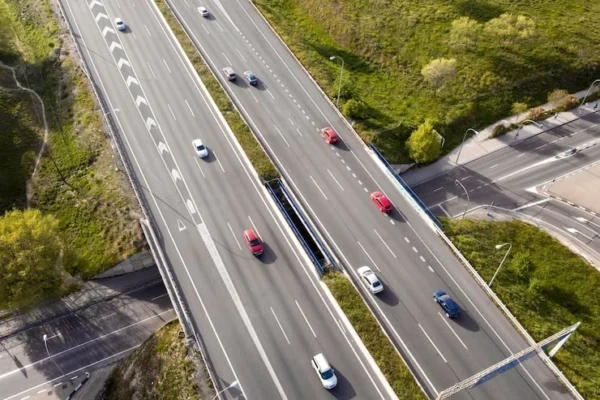
India’s Uttar Pradesh is preparing for a major transportation transformation as the highly anticipated Lucknow-Kanpur Expressway moves toward inauguration, promising to dramatically cut travel time between two of the state’s busiest cities while boosting tourism, logistics, regional connectivity, and economic development. The new six-lane high-speed corridor is expected to reduce journey times from up to three hours to as little as thirty to forty-five minutes, marking one of the most significant infrastructure upgrades in northern India in recent years.
Officials believe the expressway will redefine inter-city travel across Uttar Pradesh by easing congestion, improving road safety, and creating a faster and more predictable route for commuters, business travelers, freight operators, and tourists. The project also strengthens India’s growing reputation for large-scale transport infrastructure modernization aimed at supporting long-term economic expansion.
Lucknow-Kanpur Expressway Set to Transform Daily Travel
The Lucknow-Kanpur Expressway is a sixty-three-kilometre access-controlled highway connecting Lucknow, the capital of Uttar Pradesh, with Kanpur, one of India’s most important industrial and manufacturing centers. The route integrates directly with the existing Kanpur-Lucknow Highway and the Unnao-Lalganj Highway, creating smoother regional connectivity for both passenger and commercial traffic.
Currently, travelers using NH-27 often face heavy congestion and unpredictable traffic delays, especially during peak commuting hours. Journeys between the two cities can take between two-and-a-half and three hours despite the relatively short distance. Once operational, the expressway will allow vehicles to travel at speeds of up to 120 kilometres per hour, reducing the travel time to under one hour.
The dramatic reduction in travel duration is expected to benefit thousands of daily commuters while significantly improving productivity for business travelers and logistics companies operating across central Uttar Pradesh.
Major Economic Benefits Expected Across Uttar Pradesh
Beyond transportation improvements, the expressway is being viewed as a powerful economic catalyst for Uttar Pradesh. By connecting major industrial, commercial, and urban zones more efficiently, the corridor is expected to accelerate freight movement, strengthen supply chains, and improve logistical efficiency across northern India.
Kanpur’s leather, textile, and manufacturing sectors are likely to benefit from faster access to suppliers, distribution centers, and consumer markets in Lucknow and neighboring states. Businesses operating along the corridor are also expected to gain from reduced transportation costs and improved delivery timelines.
Infrastructure analysts anticipate that the project will stimulate additional commercial investment near the expressway, including warehousing, logistics hubs, hotels, restaurants, and roadside commercial developments. Improved connectivity may also encourage real estate growth in surrounding districts as mobility between the two cities becomes significantly easier.
Tourism and Regional Mobility Receive Major Boost
The expressway is expected to support tourism growth by improving access to cultural, educational, and historical destinations across Uttar Pradesh. Travelers visiting Lucknow’s heritage attractions or Kanpur’s industrial and educational institutions will benefit from faster and safer road connectivity.
Tour operators believe the corridor could encourage more weekend travel, regional road trips, and short-duration leisure tourism between cities. Easier inter-city access may also support hotel occupancy, local hospitality businesses, restaurants, and tourism-related services along the route.
For neighboring regions and international observers, the project highlights India’s broader strategy of using modern transportation infrastructure to strengthen economic corridors and tourism mobility. Countries across Asia continue to monitor India’s highway expansion initiatives as examples of how improved road networks can accelerate regional growth and competitiveness.
New Toll Structure Introduced for High-Speed Corridor
The National Highways Authority of India has announced updated toll pricing for the expressway, reflecting the advanced infrastructure and maintenance requirements of the high-speed corridor.
Passenger cars will pay approximately Rs 445 for a one-way journey and Rs 670 for a return trip. Buses and trucks will be charged Rs 935 one-way and Rs 1,405 for round trips, while heavy commercial vehicles will face toll charges of Rs 1,020 one-way and Rs 1,530 for return travel.
Authorities say the pricing structure is designed to support maintenance, traffic management, and future infrastructure expansion while delivering value through substantial time savings, smoother traffic movement, and enhanced travel safety.
Government Targets Strategic Infrastructure Expansion
The expressway was initially scheduled to open on April 21, 2026, but authorities later revised the inauguration timeline. The updated launch target is now May 24, 2026, with the project expected to become operational immediately following official clearance.
India’s Prime Minister is expected to preside over the inauguration ceremony, underscoring the national significance of the corridor and its role within the country’s broader infrastructure modernization strategy.
The project aligns with India’s long-term efforts to expand high-speed transport corridors similar to infrastructure models seen in countries such as China, Japan, and South Korea, where modern highways play a critical role in economic integration and regional mobility.
Uttar Pradesh Strengthens Position as a Key Mobility Hub
The Lucknow-Kanpur Expressway represents a major leap forward for Uttar Pradesh’s transportation network and economic ambitions. By dramatically reducing travel times, improving safety standards, enhancing tourism access, and strengthening freight connectivity, the project is expected to reshape mobility across the region.
Officials believe the corridor will serve as a benchmark for future infrastructure development projects throughout India while reinforcing Uttar Pradesh’s growing role as a strategic center for commerce, logistics, tourism, and regional connectivity.
As India continues investing heavily in modern highways and transportation systems, the Lucknow-Kanpur Expressway stands out as one of the country’s most transformative inter-city travel projects, offering long-term benefits for residents, businesses, tourists, and the broader regional economy.
For more travel news like this, keep reading Global Travel Wire