International health monitoring has intensified after a hantavirus outbreak connected to an Antarctic expedition voyage prompted investigations involving multiple countries, including the United States, Chile, and Cape Verde. The outbreak has drawn attention across global travel and public health sectors as authorities examine potential exposure pathways and assess implications for international tourism and cruise operations.
Health officials continue emphasizing that the broader risk to the public remains low. However, ongoing investigations have renewed discussions around infectious disease preparedness, remote tourism safety, and the challenges of managing medical incidents aboard expedition vessels operating in isolated regions.
The development arrives at a time when Antarctic expedition tourism continues experiencing strong growth, with increasing numbers of travelers choosing remote adventure experiences and polar cruises.
WHO Investigation Focuses on Cruise Exposure Timeline
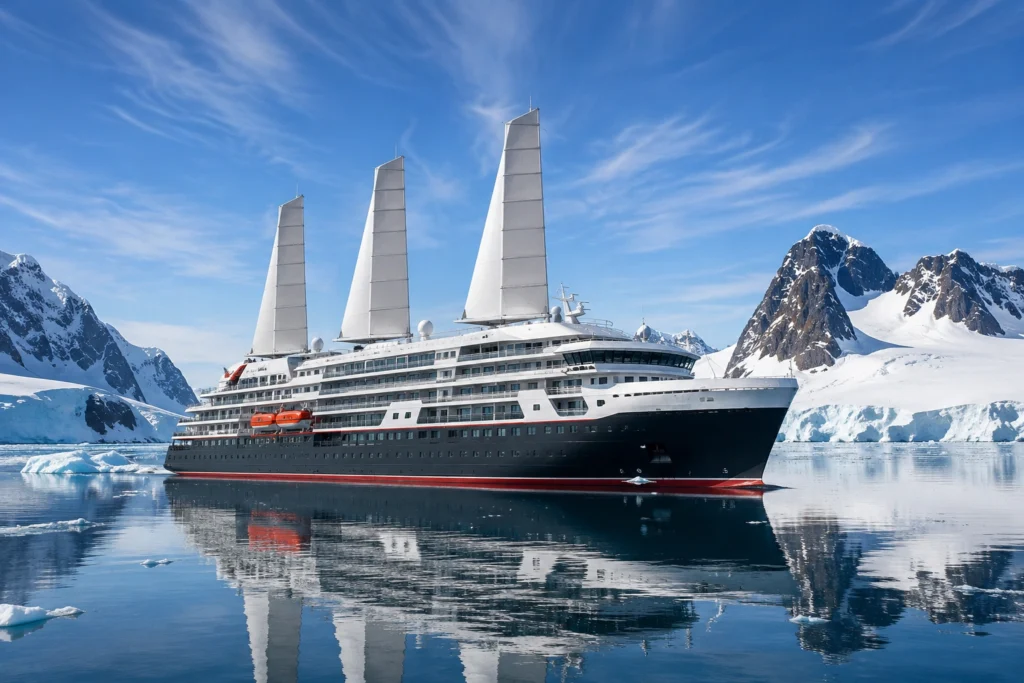
The World Health Organization is working with regional health agencies to determine how passengers aboard the expedition vessel MV Hondius may have encountered the virus during the Antarctic voyage.
Investigators are evaluating passenger movements, potential environmental exposures, onboard conditions, and the sequence of infections connected to the journey.
Authorities have identified the outbreak as involving the Andes strain of hantavirus, a variant historically associated with parts of South America, including regions of Chile and Argentina.
Unlike many other hantavirus strains, the Andes subtype has demonstrated limited potential for human-to-human transmission under prolonged and close-contact circumstances.
Current investigations continue focusing on tracing exposure patterns rather than indicating any signs of widespread community transmission.
Cruise Tourism Faces Renewed Health Questions
The outbreak has created new discussion within the global cruise industry, particularly among expedition cruise operators that specialize in remote travel experiences.
Adventure cruises to Antarctica have become increasingly popular among travelers seeking wildlife encounters, scientific exploration experiences, and destination-focused journeys beyond traditional tourism routes.
However, remote environments can also create unique operational challenges.
Medical response systems, emergency evacuation procedures, and laboratory access may be more complex in isolated regions compared with mainstream cruise destinations.
Industry observers suggest the incident could encourage additional reviews of onboard health procedures.
Areas expected to receive increased attention may include expanded pre-boarding health screening programs, enhanced onboard isolation spaces, strengthened sanitation procedures, and increased medical resources on expedition vessels.
Travel insurers may also review coverage structures involving remote expeditions where emergency medical logistics can become more demanding.
United States Expands Passenger Monitoring
American health authorities continue monitoring passengers returning from the affected voyage while also investigating unrelated cases involving rodent exposure.
Several individuals connected to the expedition have remained under observation as health agencies monitor for symptoms and conduct precautionary evaluations.
Officials have also clarified that separate investigations involving suspected infections elsewhere in the country currently show no confirmed links to the Antarctic voyage.
Health agencies continue stressing that existing investigations do not indicate broader domestic transmission concerns.
The emphasis remains on identifying possible exposure chains and ensuring that precautionary monitoring measures remain effective.
Understanding Hantavirus Risks for Travelers
Hantavirus infections remain relatively uncommon but can become serious in severe cases.
The virus is generally associated with exposure to rodents and environments contaminated by rodent urine, droppings, or nesting material.
Early symptoms often resemble common illnesses and can include fatigue, fever, headaches, and muscle pain before potentially progressing to more severe respiratory complications.
Adventure tourism environments occasionally place travelers closer to wilderness conditions where environmental awareness becomes increasingly important.
Travel medicine specialists frequently encourage travelers to understand destination-specific health risks before embarking on remote journeys.
Adventure Travelers May Increase Health Precautions
The incident is expected to increase awareness among travelers participating in expedition tourism, wilderness experiences, and nature-focused itineraries.
Travel specialists increasingly advise travelers to monitor official health guidance, review medical evacuation coverage before departure, and remain attentive to post-travel symptoms after returning from remote destinations.
Expedition cruise operators may also strengthen passenger communication regarding environmental health awareness and onboard safety measures.
As remote tourism continues expanding globally, health preparedness is becoming an increasingly important factor alongside comfort, itinerary quality, and destination experiences.
Growing Tourism Requires Stronger Health Preparedness
The Antarctic outbreak highlights how rapidly expanding international tourism sectors increasingly intersect with global public health systems.
For travelers, the situation reinforces the importance of informed travel planning and understanding destination-specific health considerations before departure.
For expedition operators, it serves as another reminder that traveler confidence increasingly depends not only on luxury experiences and unique destinations but also on transparent health protocols and effective emergency preparedness systems.
As investigations continue, health authorities maintain that current evidence supports a contained situation while emphasizing continued monitoring and international cooperation.