The architecture of global maritime trade and transcontinental cruise tourism faces a profound period of evaluation as sovereign states and international shipping conglomerates adapt to escalating tensions in the Middle East. According to official intelligence briefings published by the European Central Bank (ECB) and the United Nations Security Council, commercial traffic through the Strait of Hormuz—the world’s most critical maritime energy artery—remains severely restricted. A dual blockade situation initiated in early 2026 has prompted international regulatory bodies to implement unprecedented risk-mitigation protocols to safeguard crews, cargo, and commercial passenger fleets.
The strategic significance of this narrow 34-kilometer seaway passage between Oman and Iran cannot be overstated. Under normal operational baselines, the strait facilitates the daily transit of roughly 20 million barrels of crude oil and liquefied natural gas (LNG), representing approximately one-fifth of the global seaborne energy supply. However, official tracking data verified by the International Maritime Organization (IMO) indicates that transit volumes through the waterway have dropped by more than 90 percent. More than 2,000 commercial vessels and an estimated 20,000 mariners have faced extensive scheduling holdups, fundamentally altering global logistics chains and forcing a total reconfiguration of multi-destination maritime itineraries.
Navigating the Financial Realities of Soaring War-Risk Insurance Premiums
The primary operational hurdle confronting contemporary commercial shipowners is the extreme volatility of private maritime underwriting markets. Following a series of regional maritime incidents involving civilian merchant fleets, private commercial underwriters have significantly escalated war-risk insurance premiums. Current maritime insurance rates for traversing the Persian Gulf have spiked to between 3 and 8 percent of the total value of the vessel hull and its cargo. This represents a massive increase from the fractions of a single percentage point required prior to the outbreak of regional hostilities.
In response to this commercial friction, the Iranian Ministry of Economy and the Islamic Revolutionary Guard Corps (IRGC) announced the launch of an independent, state-backed digital platform known as “Hormuz Safe.” According to public releases monitored by international maritime legal bodies, this sovereign-backed framework is being presented as an administrative mechanism to provide digital insurance policies and financial liability guarantees for friendly or non-hostile merchant ships seeking passage. The system utilizes alternative digital payment channels, including cryptocurrency, to settle clearance fees, bypassing traditional international banking networks.
However, global maritime legal experts and sovereign regulatory bodies urge caution regarding these localized developments. Major questions remain regarding whether international shipping conglomerates will formally recognize the legal validity of such state-issued policies, particularly given extensive international sanctions targeting regional entities. For the broader travel and transportation industries, navigating these complex financial and legal compliance parameters requires meticulous oversight by corporate risk-assessment teams.
Focus Keyword: Travel Advisory Status and the Resilience of Cruise Itineraries
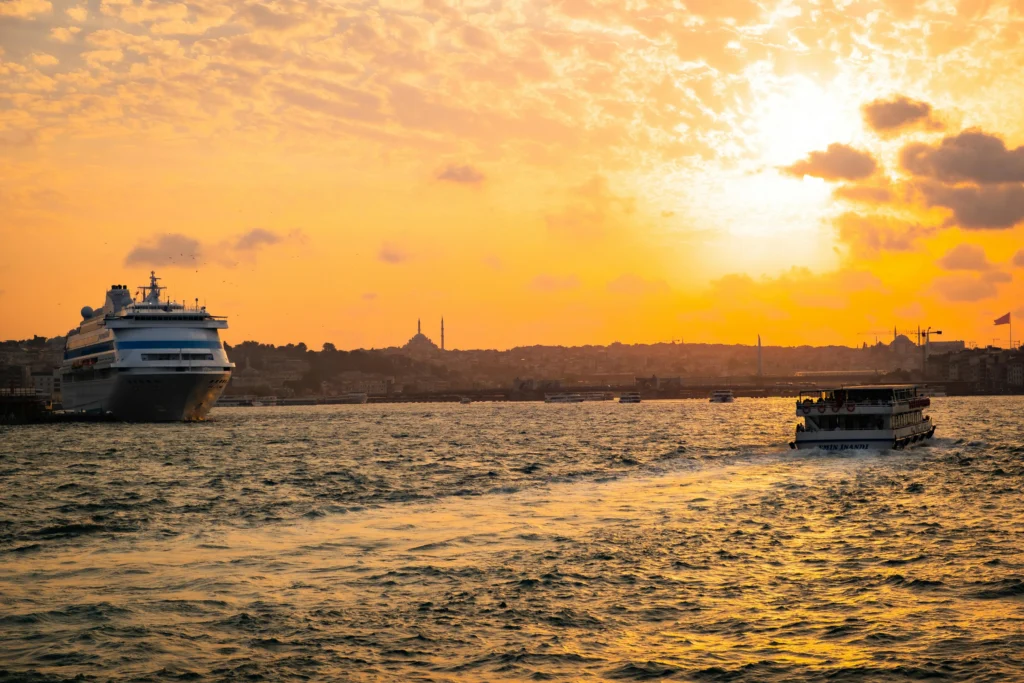
The ongoing stabilization efforts underscore the critical reliance of contemporary leisure travel on active travel advisory updates. Because safety parameters can shift rapidly, major international cruise lines have proactively implemented extensive routing modifications, placing a temporary freeze on traditional eastern Mediterranean, Red Sea, and Persian Gulf passenger circuits.
Rather than running the gauntlet through high-risk maritime zones, luxury transcontinental operators are rerouting their premium vessels around the Cape of Good Hope or expanding alternative cruise operations across the Asia-Pacific and the Americas. While these adjustments temporarily increase operational transit days, the uncompromising prioritization of passenger well-being reinforces long-term consumer trust.
Sovereign foreign offices, including a joint coalition from the United Kingdom, France, Germany, Japan, and Canada, continue to uphold freedom of navigation as a core tenet of international law. For modern leisure travelers planning upcoming long-haul ocean voyages, checking daily impact-based travel advisory bulletins via official government portals ensures that their seasonal itineraries remain safe, predictable, and fully insulated from regional disruptions.
Structural Realities for Global Energy and Trade Corridors
The macro-economic ripple effects of the current shipping crisis are being felt from European factory floors to East Asian refining hubs. In its latest Global Macro Outlook, international ratings agencies like Moody’s noted that while global shipping flows may improve gradually, progress will likely materialize via slow, opaque bilateral arrangements rather than a general, comprehensive reopening of the passage. Major oil-importing economies, including China, India, Japan, and South Korea, are currently exploring direct diplomatic dialogues to secure dedicated, coordinated transit corridors near Larak Island and through Omani territorial waters.
To buffer the global economy against supply constraints, the International Energy Agency (IEA) has authorized a coordinated release of strategic petroleum reserves, helping to stabilize energy markets. Concurrently, major trading nations are actively diversifying their supply lines. For instance, India has moved to strengthen its long-term energy reserves by signing critical bilateral security deals with alternative producing nations, including the United Arab Emirates, illustrating the adaptive resilience of modern global trade infrastructure.
Strategic Guidelines for Contemporary Maritime Exploration
As global transport networks continue to adapt to these evolving administrative and physical security challenges, travelers are encouraged to maintain a proactive stance toward trip planning. Industry specialists recommend that those booking long-haul voyages choose established, premium carriers that maintain direct coordination with international maritime security centers and the IMO.
Through an unwavering commitment to operational transparency, continuous risk assessment, and rigid adherence to official state travel advisories, the international community continues to navigate complex geopolitical transitions smoothly. By substituting uncertain corridors with verified, vetted pathways, global exploration remains a secure, deeply rewarding, and resilient endeavor for travelers worldwide.
For more travel news like this, keep reading Global Travel Wire