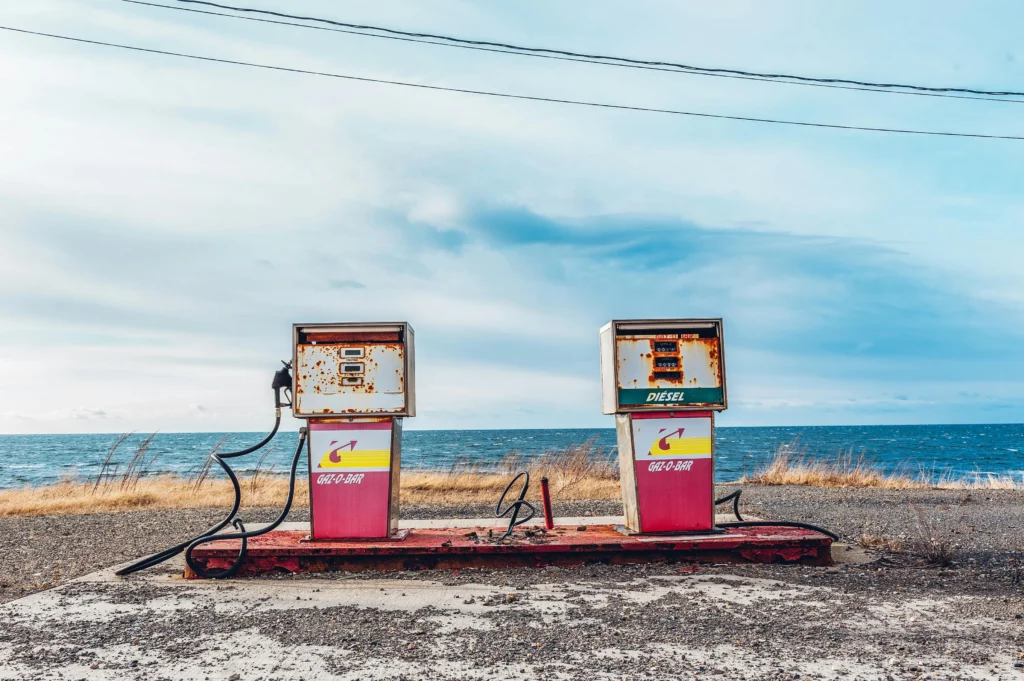
The structural viability and operational predictability of global leisure travel are facing a major cross-border assessment as sovereign governments implement defensive economic measures to stabilize their domestic electricity grids. According to official economic bulletins issued by the International Energy Agency (IEA) and regional ministries of transport, a combination of supply chain bottlenecks and volatile international commodity markets has triggered severe global fuel shortages. To prevent total economic grid collapse, an uncoordinated coalition of nations—including Cuba, Ireland, Slovenia, Hungary, Australia, Japan, China, and Singapore—has activated emergency energy rationing, retail consumption caps, and targeted power distribution frameworks.
For the international tourism sector, which has historically relied on abundance and cost-stable energy to power transcontinental flight networks, local ground logistics, and premium hotel operations, these localized energy shocks require a profound shift in trip planning. While sovereign authorities emphasize that global entry gates remain fully open, international travelers are being urged to integrate high-level flexibility into their itineraries, factoring in localized transport delays, potential fuel price surcharges, and destination-specific infrastructure adjustments.
Mapping the Grid Disruptions: From Caribbean Blackouts to European Price Controls
The operational impact of contemporary energy scarcity varies drastically by geographic region, depending on a nation’s baseline refining capacity and strategic reserves. The most critical manifestation of this crisis is currently unfolding in the Caribbean, where the Cuban Ministry of Energy and Mines confirmed that domestic diesel and fuel oil reserves are entirely exhausted. This unprecedented resource depletion has triggered rolling power blackouts lasting 20 to 22 hours per day across primary cultural tourism centers, including Havana and Santiago de Cuba, prompting emergency public safety notices for incoming visitors to verify their accommodations’ electrical status.
Concurrently, European transit corridors are grappling with intense pricing volatility and localized supply management controls:
Ireland: Spiraling gasoline and diesel costs have sparked widespread public demonstrations by agricultural and logistical transport unions, resulting in sporadic motorway blockades that challenge regional tour bus networks.
Hungary and Slovenia: National ministries have implemented strict retail price caps on petroleum products and enacted emergency allocation regimes that prioritize fuel for public transit and emergency services, prompting car rental agencies to adjust their baseline pricing structures.
Australia: Remote outback service stations are experiencing temporary petrol outages due to coastal shipping constraints, driving customer hesitancy for long-distance regional recreational vehicle (RV) and campervan rentals.
To stabilize these pressures, major East Asian economic hubs are leveraging massive state interventions. The Ministry of Economy, Trade and Industry of Japan has authorized a coordinated release of its strategic petroleum reserves to guarantee fuel continuity, while China has drastically reduced its outbound refined oil export quotas to prioritize domestic high-speed rail and civil aviation networks.
Focus Keyword: International Travel and the Transition to Low-Carbon Infrastructure
The widespread disruption caused by fluctuating fossil fuel grids has accelerated a massive paradigm shift in how international travel is executed and managed. As conventional ground transport faces localized shortages, destinations boasting electrified public transit frameworks are observing a major influx of eco-conscious global vacationers who wish to insulate their holidays from petroleum market shocks.
Sovereign tourism boards are rapidly restructuring their campaigns to emphasize low-fuel, high-efficiency mobility options. Integrated rail packages, intra-city bicycle networks, and electric vehicle (EV) rental structures are transitioning from niche sustainability choices into vital operational necessities that preserve the visitor experience.
For the contemporary explorer, choosing destinations that feature advanced, decarbonized infrastructure guarantees that cross-country itineraries remain insulated from localized refinery shutdowns or gas station supply freezes.
Strategic Guidelines for Contemporary Global Travel Management
To navigate this highly fluid operational environment without compromising personal comfort, travel advisory bureaus recommend that outbound tourists adopt strict pre-travel verification habits. Before departing for islands or regions experiencing grid instability, visitors must explicitly communicate with their hospitality providers to confirm the presence of independent, industrial-grade backup generators capable of sustaining climate control and refrigeration systems during extended blackouts.
Furthermore, passengers navigating long-haul aviation corridors must maintain real-time contact with their airlines, as localized jet fuel availability constraints can prompt short-notice scheduling realignments or the introduction of temporary fuel surcharges. Utilizing flexible, fully refundable booking options across all accommodation and transit reservations provides a vital layer of financial insulation, allowing holidaymakers to adjust their geographic focus smoothly if a destination’s energy profile shifts unexpectedly.
A Resilient Path Forward for Global Exploration
While the sight of emergency rationing regimes and energy price protests demands heightened awareness, the active, transparent management of these resources by sovereign nations provides a clear blueprint for navigating contemporary travel challenges. The global hospitality and transportation networks are proving their immense institutional resilience by pivoting rapidly toward energy efficiency models, digital transit verifications, and alternative fuel adaptations.
By practicing careful destination research, embracing energy-resilient transit hubs, and maintaining an adaptable approach to exploration, the global travel community can continue to discover the world’s most spectacular landscapes safely, responsibly, and with uncompromised peace of mind.
For more travel news like this, keep reading Global Travel Wire