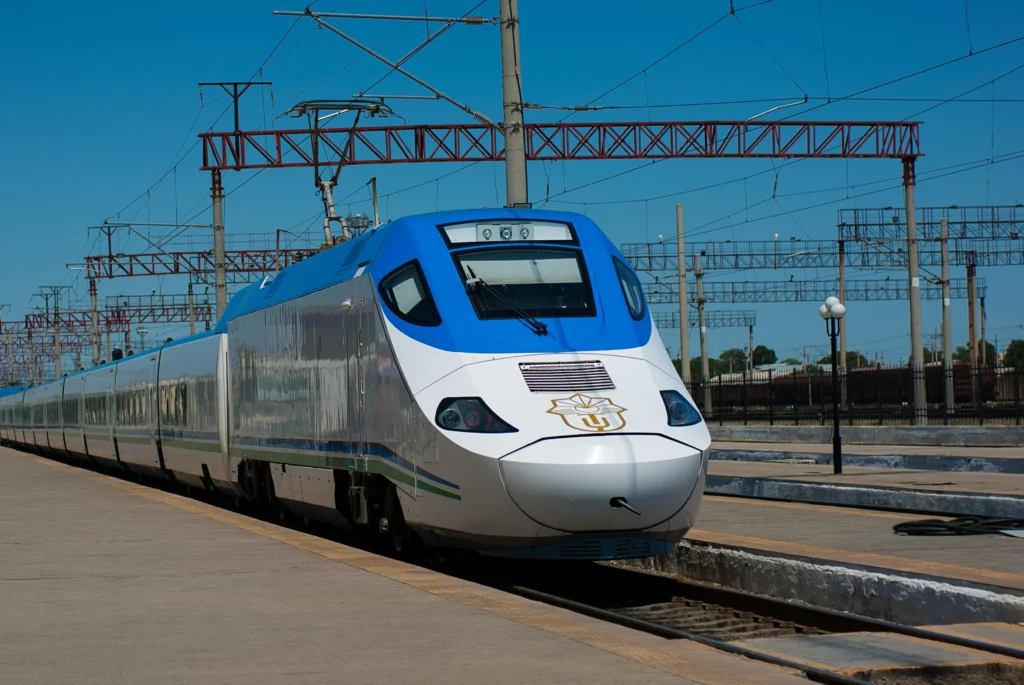
Astana is officially stepping into the future of urban mobility and global tourism. In a landmark moment for the city, President Kassym-Jomart Tokayev formally inaugurated the Astana Light Rail Transit (LRT) Line 1, marking a monumental milestone in the capital’s infrastructure development. Signaling the immense civic importance of the project, President Tokayev was issued symbolic ticket number 001 for the inaugural journey, traveling from the international airport to the Ulttyk Museum to celebrate the launch of this cutting-edge transport system.
This major infrastructure achievement is poised to fundamentally reshape how international travelers, business tourists, and holidaymakers experience the futuristic architecture and cultural landmarks of Kazakhstan’s capital city.
A High-Tech Automated Metro Designed for Modern Travelers
While initially conceptualized under the light rail banner, the newly opened 22.4-kilometer transit system functions as a fully automated, driverless light metro. Engineered for maximum efficiency, safety, and speed, the network features a wide 1,520 mm track gauge and is completely segregated from regular city road traffic. This isolation ensures that tourists and daily commuters alike can bypass the capital’s growing traffic congestion entirely.
The state-of-the-art line is designed for a maximum operational speed of 80 km/h, cutting transit times drastically across the city. The route boasts a total of 18 meticulously planned stops, consisting of 11 ground-level stations and 7 elevated platforms that offer panoramic views of Astana’s world-renowned, avant-garde skyline.
For international visitors, the route could not be more convenient. Line 1 originates at the Nursultan Nazarbayev International Airport Äuejai station in the southeast, cutting a direct path through the heart of the city’s primary economic and cultural zones before terminating at the Nūrly Jol railway station in the east.
Seamless Access to Astana’s Iconic Tourist Attractions
The implementation of the Astana Light Rail Transit Line 1 is a massive win for the country’s booming tourism sector. By linking the international airport directly to major cultural hubs, the automated metro transforms transit layout into a tourist-friendly sightseeing corridor.
Visitors stepping off their flights can now board a sleek train and enjoy direct, stress-free access to a wealth of major landmarks. The route features dedicated stops at:
The sprawling, lush oasis of the Botanical Garden.
The architectural marvel of Abu Dhabi Plaza.
The ultra-modern sports hub, Astana Arena.
The bustling administrative core at the House of Ministries.
The stunning Grand Mosque, which stands as one of the largest houses of worship in Central Asia.
The Ulttyk Museum (National Museum of the Republic of Kazakhstan), allowing tourists to dive straight into the country’s rich history.
Operated by the municipally owned City Transportation Systems, the automated light metro runs high-frequency services every 5 to 10 minutes. Operating from 06:00 until 23:00 daily, the system provides an end-to-end travel time of just 40 minutes, making it incredibly easy for sightseers to plan their days without worrying about transit delays. The main maintenance and operations depot is strategically positioned just northwest of the airport terminus to ensure smooth, continuous service.
Overcoming Challenges: The Journey to Completion
The successful launch of the line is a testament to Kazakhstan’s resilience and commitment to modernizing its transport network. The ambitious journey began in 2011 when initial conceptual designs for a massive 41.8-kilometer north-south transit corridor were first unveiled to the public. By May 2015, an official framework agreement was signed between project promoter Astana LRT LLP and a consortium led by China Railway International Group.
Actual construction works for this initial 22.4-kilometer first phase officially commenced in May 2017. However, the project faced significant headwinds. Financial and banking challenges slowed momentum in 2019, leading to a temporary suspension of construction activities in 2020 on cost grounds.
Determined to see the vision through, the city administration announced targeted funding to relaunch the halted project. A revitalized agreement was finalized with a powerful consortium comprising the China Railway Group and the China Construction Sixth Engineering Bureau Co., a prominent subsidiary of the China State Construction Engineering Co. Official records confirm that through strategic engineering and updated technical specifications, the overall project cost was successfully maintained at the originally approved budget of €1.5 billion.
Next-Generation Trains Engineered for Extreme Climates
Astana is famous for its dramatic seasonal weather shifts, and the transit system has been engineered from the ground up to handle these exact conditions. Rolling stock manufacturer CRRC Tangshan supplied a fleet of 19 specialized trainsets tailored specifically for the local climate.
Each four-car trainset measures 60 meters in length and boasts a generous capacity of 600 passengers. To ensure absolute comfort during the biting winter months and warm summers, the trains feature an advanced electric heating system designed to prevent the panoramic windows from fogging up during sudden outdoor temperature shifts. Advanced noise-reduction features, including large-diameter wheels, guarantee a whisper-quiet, smooth ride for passengers.
Furthermore, the system utilizes advanced communications-based train control technology, which supports full GoA4 unattended automatic operation. This means the trains run entirely autonomously, utilizing the highest tier of modern automation technology available in global transit.
Looking Ahead: Expanding Capital Connectivity
The opening of Line 1 is just the first chapter in Astana’s long-term urban transit vision. The city administration is already actively planning the second phase of development, which promises to expand the network’s reach even further into the suburbs and older districts.
The upcoming expansion plans outline an additional 26.5 kilometers of track and 20 brand-new stations. This includes an 8-kilometer, nine-station extension targeting the older central railway station, Astana-1. Future branches will also push out toward the residential district of Zhagala and the rapidly growing satellite city of Kosshy, where foundational structures are already being put into place. For global travelers looking to explore Central Asia, Astana’s world-class automated light metro network makes discovering the capital easier, faster, and more enjoyable than ever before.
For more travel news like this, keep reading Global Travel Wire