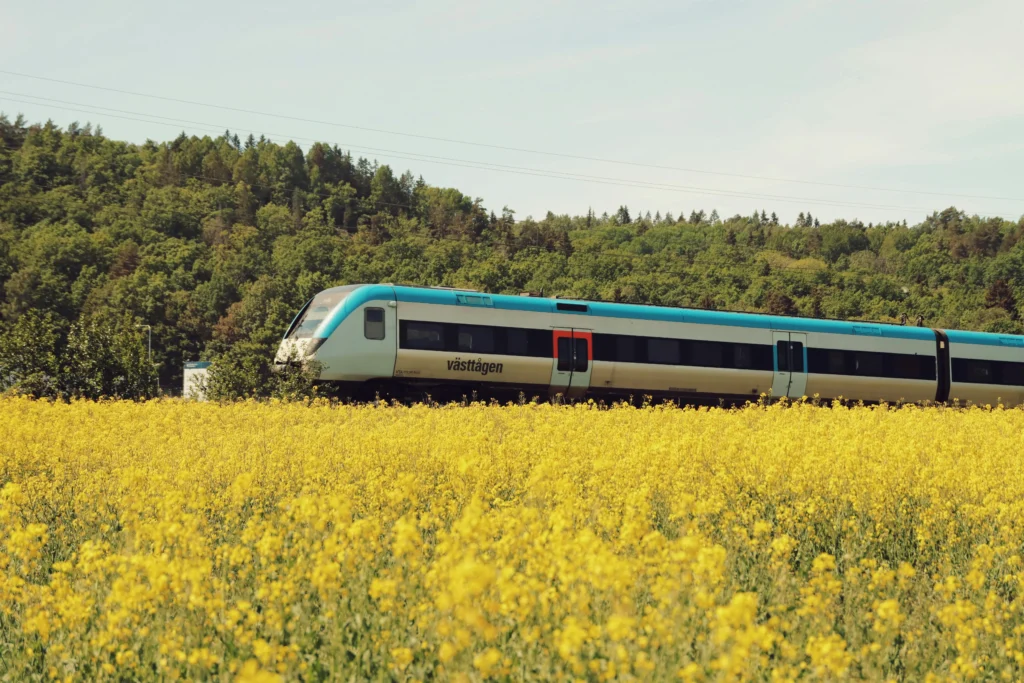
The global travel landscape is undergoing a profound transformation as environmental responsibility becomes a primary driver for modern holidaymakers. As the international community participates in the United Nations Decade of Sustainable Transport, the global tourism industry is increasingly looking toward the railway sector to provide clean, low-carbon transport corridors. While railways already stand out as the most environmentally responsible mode of overland mass transit, major government initiatives and tourism board strategies are focusing heavily on traction energy to achieve total decarbonization.
For the tourism sector, the stakes are remarkably high. The methods used to power passenger trains directly impact the carbon footprint of holiday itineraries, the preservation of scenic natural landscapes, and the long-term viability of eco-tourism destinations. Finding the perfect balance between emerging green technologies and operational practicality is now a top priority for transport ministries worldwide.
Navigating the Technology Mix for Scenic and Heritage Routes
Transitioning away from fossil fuels requires strategic infrastructure choices, as outlined in global public transport frameworks. Tourism networks typically cover a wide variety of terrains, from high-speed intercity corridors to remote, pristine heritage routes. Consequently, transportation authorities are evaluating multiple technological pathways to balance environmental targets with financial reality.
Full Network Electrification: Continuous overhead power lines remain the absolute gold standard for high-capacity, high-speed passenger routes. Electrification delivers unparalleled energy efficiency and allows tourists to travel long distances with minimal environmental impact. However, the high capital cost means it is typically reserved for busy trunk lines connecting major metropolitan hubs and international entry points.
Battery-Electric Solutions: For shorter regional lines or routes passing through historic towns, battery-powered trains offer immense flexibility. These trains run cleanly through ecologically sensitive areas without requiring extensive, visually disruptive overhead wires, making them ideal for protecting the aesthetic value of scenic tourist destinations.
Hydrogen Traction Technology: Hydrogen-powered trains represent an emerging frontier for long-distance, non-electrified tourist routes. By emitting only water vapor, hydrogen ensures that journeys through national parks and wilderness areas leave the local air pristine. However, building reliable, green hydrogen supply chains remains a vital step before widespread deployment.
Hybrid Systems: Serving as a practical bridge toward full decarbonization, hybrid models combine different energy sources to lower emissions incrementally while keeping travel affordable and reliable for international visitors.
Bridging the Gap from Green Technology Trials to Network Scale
Many national tourism boards and transport ministries have already celebrated successful localized trials of zero-emission trains. From scenic routes in France and Germany utilizing hydrogen prototypes to regional lines in the United Kingdom demonstrating the viability of battery power, the technology is proven. The next major hurdle is scaling these innovations across entire national networks to create seamless, green travel itineraries for visitors.
Moving beyond isolated trials requires extensive regulatory alignment, upgraded safety standards, and robust supply chains for critical components. For instance, battery-operated fleets require strategically placed charging stations along regional routes, while hydrogen fleets demand specialized refueling infrastructure.
Government infrastructure updates confirm that integrating these systems without disrupting passenger timetables is essential for maintaining guest satisfaction. When transport departments take a holistic, system-wide approach, they can synchronize train schedules with clean energy availability, reducing emissions while guaranteeing a smooth, reliable journey for sightseers.
Protecting Landscapes and Embracing Digital Efficiency
Beyond the environmental benefits, the transition to sustainable rail travel brings significant aesthetic and practical advantages to the tourism sector. Complete electrification, while highly efficient, introduces overhead wires and supporting steel structures that can alter the visual appeal of historic rail journeys or untouched natural vistas. By incorporating a tailored mix of partial electrification and battery power, transport planners can preserve panoramic views while successfully eliminating diesel emissions at the point of use.
Simultaneously, the integration of digital technologies is making eco-friendly train journeys smarter and more responsive. Official transport modernization programs highlight the use of real-time data analytics to optimize train performance, thereby cutting energy consumption on passenger routes.
Predictive maintenance enabled by advanced digital sensors ensures that rolling stock remains in peak condition, drastically minimizing unexpected travel delays for holidaymakers.
A Unified Vision for the Future of Eco-Tourism
Achieving meaningful carbon reductions across global tourism networks ultimately relies on steady institutional funding, standardized design practices, and a highly skilled engineering workforce. Recent public transport reviews emphasize that clear regulatory frameworks are crucial to safeguarding public trust and ensuring the flawless safety of new battery and hydrogen systems.
By fostering close collaboration between environmental regulators, national tourism authorities, and transport operators, the travel industry can establish harmonized, future-proof travel networks. Transitioning to sustainable rail travel is an intricate journey, yet by combining smart technology with data-driven infrastructure choices, the global tourism sector is successfully building a cleaner, greener, and more resilient network for the travelers of tomorrow.
For more travel news like this, keep reading Global Travel Wire