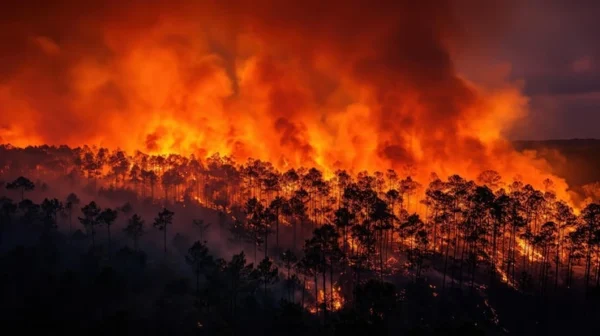
Qantas, Virgin Australia, Air New Zealand, Emirates, and Singapore Airlines are warning travelers about possible flight disruptions across Australia as bushfire-related aviation risks intensify near major airports including Sydney, Melbourne, and Brisbane. Growing safety concerns within Australia’s aerial firefighting sector are adding pressure to airline operations at a time when international tourism demand continues rebounding strongly across the country.
Pilots involved in firefighting and emergency aviation operations have reportedly raised alarms over increasing pressure to operate flights in hazardous conditions, sparking broader debates about operational safety, risk management, and aviation decision-making during Australia’s fire season.
The warnings come as Australia continues rebuilding international tourism momentum, recording nearly 8.3 million international trips and approximately $39.2 billion in visitor spending during 2025.
With millions of passengers traveling through Australian airports annually, even temporary disruptions near major hubs could affect airline schedules, tourism flows, and long-haul travel demand from key international markets including the United Kingdom, United States, China, and New Zealand.
Bushfire smoke and visibility risks create operational pressure
The growing aviation concerns are linked directly to Australia’s bushfire activity and the demanding conditions faced by aerial firefighting crews.
Smoke, reduced visibility, turbulence, and powerful updrafts near active fire zones can significantly increase flight complexity around major airport corridors. Pilots have reportedly warned that operational pressure to maintain services or support emergency response activity may sometimes conflict with standard aviation risk assessments.
At the same time, delays involving aircraft certifications and firefighting equipment readiness have added strain to Australia’s aviation and emergency response sectors during the current fire season.
These combined operational pressures are increasing the possibility of flight delays, route adjustments, and occasional cancellations involving both domestic and international services across Australia.
Sydney, Melbourne, and Brisbane remain key pressure points
Australia’s busiest international gateways are among the most exposed to potential disruption risks.
Sydney Airport, Melbourne Airport, and Brisbane Airport play critical roles in connecting Australia with Europe, Asia, the Middle East, and North America. Bushfire activity near these major corridors can quickly affect air traffic flow, aircraft sequencing, and operational safety procedures.
The affected airlines collectively transport millions of passengers annually between Australia and major tourism source markets.
New Zealand remains Australia’s largest short-term visitor source market, while China, the United States, and the United Kingdom continue contributing significant tourism spending and long-haul visitor demand. Japan, India, and South Korea are also growing rapidly as inbound travel markets.
Any prolonged instability affecting flight schedules could therefore create wider implications for tourism operators, hotels, tour companies, cruise connections, and business travel sectors across Australia.
Tourism and aviation industries face growing operational challenges
Despite the current concerns, Australia’s aviation sector continues operating at high capacity levels.
International scheduled services exceeded 20,900 flights during December 2025, with nearly 5.4 million seats available — representing year-over-year growth of more than 8 percent. Passenger movements also continued rising strongly across the country’s international airport network.
However, the increase in air traffic also leaves less operational flexibility during weather disruptions or emergency airspace restrictions.
Tourism-dependent cities such as Sydney, Melbourne, and Brisbane rely heavily on smooth aviation connectivity to sustain visitor spending, hotel occupancy, convention activity, and hospitality revenue. Even moderate disruption periods can affect local tourism economies, especially during peak international travel seasons.
The aviation industry now faces the challenge of balancing operational continuity with crew safety and evolving environmental risks linked to Australia’s increasingly intense bushfire seasons.
Airlines urge travelers to remain flexible and monitor updates
Airlines and aviation authorities are encouraging travelers to stay informed and prepare for possible schedule adjustments.
Passengers traveling to, from, or through Australia are being advised to monitor airline notifications closely, allow additional connection time, and review travel insurance policies covering weather-related disruptions.
Travelers may also benefit from selecting flexible tickets or considering alternate routes if operational conditions worsen near major airports.
Aviation regulators and emergency management agencies are continuing reviews of safety procedures, equipment certification processes, and operational readiness standards as the industry prepares for future bushfire seasons.
For now, Australia’s international aviation network remains operational and tourism demand continues growing. However, the latest warnings from major global airlines highlight how climate-driven operational pressures are increasingly shaping the future of air travel across one of the world’s busiest long-haul tourism markets.
For more travel news like this, keep reading Global Travel Wire