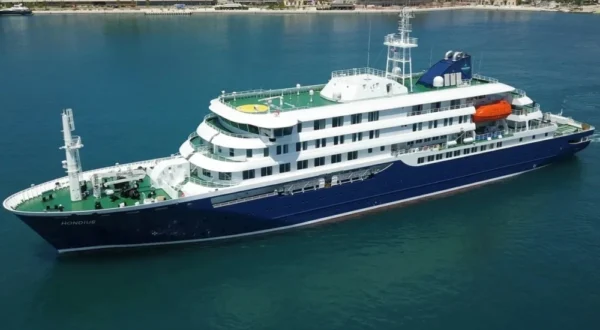
European health authorities have launched urgent travel health measures following a hantavirus outbreak aboard the cruise ship M/V Hondius that has resulted in eleven confirmed infections and three fatalities across multiple countries. The incident has prompted enhanced contact tracing, stricter border screenings, and emergency public health coordination throughout Europe, making it one of the most serious cruise-related infectious disease events in recent years.
The outbreak has been linked to the vessel’s Andes itinerary, with cases identified among passengers and crew traveling through several European countries. Authorities in the Netherlands, Germany, and France are coordinating closely with the European Centre for Disease Prevention and Control (ECDC) as health officials attempt to contain the spread and monitor exposed travelers.
The incident is already placing increased pressure on Europe’s cruise industry and international travel health systems as officials race to prevent wider transmission.
What is hantavirus and why health officials are concerned
Hantavirus is a rare but potentially deadly disease primarily transmitted through exposure to infected rodents or contaminated rodent waste, including urine, saliva, and droppings.
Symptoms often begin with fever, fatigue, body aches, and headaches before escalating into severe respiratory complications in serious cases. Health experts warn that early detection and rapid medical intervention are critical to improving survival outcomes.
Although direct human-to-human transmission remains relatively uncommon, the confined environment of cruise ships increases concern due to prolonged close contact among passengers and crew.
Medical teams aboard the M/V Hondius reportedly identified the first suspected infections during onboard health checks, triggering immediate communication with public health authorities. The confirmation of multiple fatalities accelerated emergency response protocols across several European jurisdictions.
EU authorities launch strict contact tracing and border screening measures
In response to the outbreak, European health agencies have introduced extensive containment procedures aimed at limiting further spread.
Mandatory contact tracing has been initiated for all passengers and crew members who traveled aboard the M/V Hondius. Authorities are systematically identifying individuals potentially exposed during the cruise and coordinating follow-up monitoring across multiple countries.
Enhanced health screening measures have also been introduced at major European airports, ports, and border crossings. Travelers may face additional symptom assessments, thermal monitoring, and health declarations as part of precautionary screening procedures.
Public health advisories issued throughout Europe are urging recent cruise passengers to monitor for symptoms, isolate when necessary, and seek immediate medical care if respiratory or flu-like symptoms develop.
Local health agencies are also coordinating quarantine support, testing programs, and medical response systems for individuals considered at risk.
Cruise industry faces renewed pressure over onboard health safety
The outbreak is forcing cruise operators to reevaluate infectious disease preparedness and onboard safety procedures.
Cruise companies are reportedly strengthening rodent control measures, environmental sanitation protocols, onboard medical capabilities, and passenger health screening processes in response to the incident.
The M/V Hondius outbreak could also affect consumer confidence in expedition and international cruise travel, particularly on itineraries involving remote destinations where zoonotic disease exposure risks may be higher.
Industry analysts note that travelers are increasingly sensitive to health and safety concerns following recent global public health crises. Transparent communication, rapid response measures, and visible sanitation practices are expected to become even more important for maintaining passenger trust.
Cruise operators are also increasing coordination with port authorities and public health agencies to improve outbreak reporting and emergency response procedures during future voyages.
Travelers advised to remain vigilant and monitor symptoms
Health authorities are urging anyone who recently traveled aboard the M/V Hondius to remain alert for potential symptoms.
Passengers are being advised to seek immediate medical attention if they experience fever, fatigue, headaches, respiratory discomfort, or flu-like illness after returning home. Travelers should also inform healthcare providers about their recent cruise travel history to assist with faster diagnosis and containment measures.
Officials are additionally encouraging enhanced hygiene practices, including frequent handwashing and surface disinfection, particularly for travelers recently exposed to crowded transport environments.
Future cruise passengers traveling to remote or wildlife-heavy regions are being encouraged to monitor official travel health advisories closely and consider travel insurance policies covering medical emergencies and trip disruptions.
Outbreak highlights growing importance of international travel health coordination
The M/V Hondius incident underscores how rapidly infectious diseases can affect international travel systems when passengers from multiple countries share confined environments such as cruise ships.
European authorities stress that coordinated cross-border surveillance, standardized reporting systems, and rapid communication between health agencies remain essential for containing future outbreaks effectively.
The event is also expected to accelerate discussions around stronger cruise industry health standards, advanced onboard diagnostics, emergency isolation procedures, and integrated public health partnerships across the tourism sector.
While health officials continue tracing contacts and monitoring additional cases, authorities emphasize that rapid intervention and transparent communication remain the best tools for limiting long-term impacts on both public health and the wider travel industry.
For more travel news like this, keep reading Global Travel Wire