The global maritime tourism network has demonstrated its profound post-pandemic resilience, efficiency, and communication precision. Following a highly coordinated, multi-nation containment strategy, the polar expedition vessel MV Hondius successfully docked at its final destination in the Port of Rotterdam, Netherlands, to undergo standard, top-tier chemical disinfection procedures. The arrival of the Dutch-flagged ship concludes a closely monitored transatlantic journey that put modern maritime border health tracking systems to the test, ultimately proving that international travel lines are safer and more interconnected than ever before.
Importantly, the World Health Organization (WHO), the European Centre for Disease Prevention and Control (ECDC), and the U.S. Centers for Disease Control and Prevention (CDC) have all issued official statements reassuring the global public that the health risk remains exceptionally low for the general population. Rather than a widespread travel threat, the handling of the MV Hondius serves as an excellent case study in how modern health management systems safely isolate localized health anomalies while protecting the continuity of worldwide tourism.
Swift Intercontinental Management and Passenger Repatriation
The voyage began as a seasonal expedition departing from South America, carrying nearly 150 international passengers and crew members from 23 different countries. When a cluster of respiratory illnesses was first identified and reported to global health monitoring networks, swift inter-governmental protocols were immediately activated. While the vessel was temporarily held off the coast of West Africa under local maritime biosafety checks, the European Union, the WHO, and Spanish authorities orchestrated a textbook evacuation framework in the Canary Islands.
In Tenerife, passengers were systematically disembarked under strict medical supervision and smoothly transferred directly to chartered government and military aircraft bound for their respective home countries. This rapid, highly organized repatriation pipeline ensured that holidaymakers were returned safely to domestic monitoring systems without disrupting standard commercial aviation or local port operations in Spain. Following the successful evacuation of all guests, the MV Hondius sailed onward toward the Netherlands with a minimal skeleton crew of 25 operational members and two specialized Dutch medical personnel, all of whom remained completely symptom-free throughout the journey.
Scientific Clarification on the Andes Virus Variant
Official epidemiological reports from international health laboratories have provided clear, definitive data regarding the nature of the outbreak. Genetic sequencing of shipboard samples has confirmed the presence of the Andes virus, a specific strain of hantavirus that has been native to the rural forest ecosystems of southern Argentina and Chile for many decades. Working hypotheses from the WHO indicate that the index case originally contracted the virus on land via natural environmental exposure prior to boarding the cruise ship.
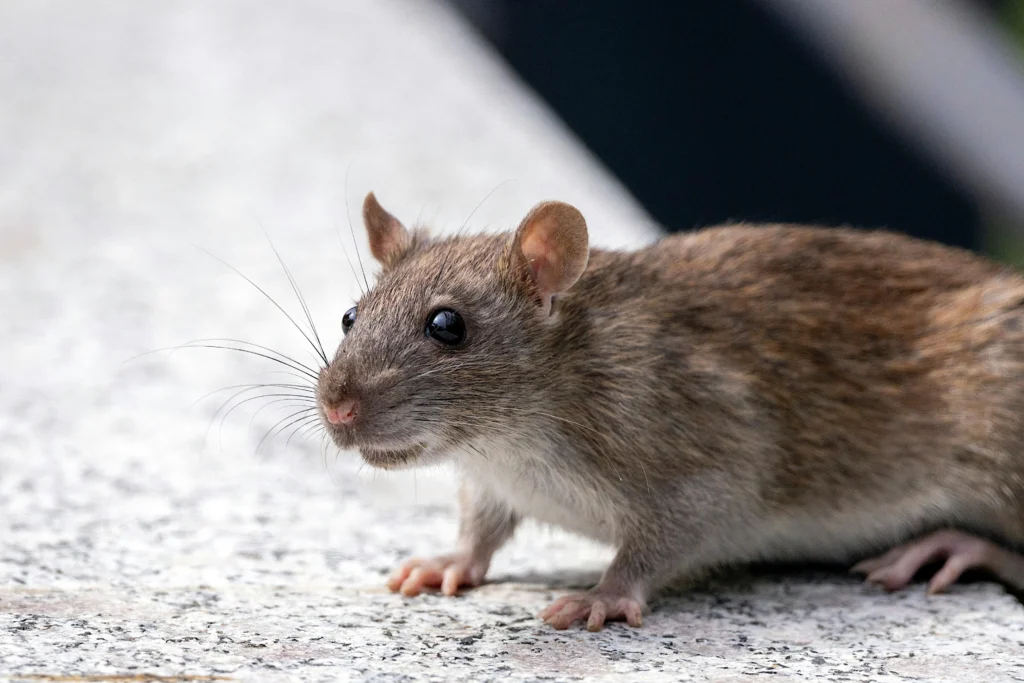
While typical hantavirus variants are strictly zoonotic and spread through contact with the residue of wild long-tailed pygmy rice rats, the Andes strain is unique for its ability to rarely transmit between humans through prolonged, close contact in enclosed indoor settings. Health authorities have confirmed a highly contained global tally of just 11 cases—comprising eight confirmed, two probable, and one inconclusive case—including three unfortunate fatalities that occurred during the earliest stages of the voyage.
Importantly, the ECDC confirmed that testing showed zero genetic mutations or variations in the virus strain, eliminating any concerns regarding a changing or increasingly contagious pathogen. Public health experts have repeatedly emphasized that hantaviruses do not spread easily and pose absolutely no risk of triggering a wider travel shutdown or pandemic scenario.
Harbor Quarantine and Modern Surveillance Systems
Upon the ship’s arrival at Europe’s largest maritime gateway in Rotterdam, local health directors implemented seamless containment measures at the pier. A specialized staggered disembarkation process was supervised by regional public health agencies, allowing the four Dutch nationals and medical staff to complete a precautionary isolation period at home, while 23 non-Dutch crew members were moved into highly secure, comfortable portable living units established right inside the harbor perimeter. The crew will undergo routine weekly testing during a recommended observation window to guarantee absolute safety before repatriation.
This meticulous, transparent response highlights how well-equipped major global ports are to handle unexpected medical scenarios safely. Due to the long incubation period of hantaviruses—which can last anywhere from one to six weeks—international health agencies are maintaining standard, passive contact tracing playbooks for the evacuated passengers. These measures are routine components of contemporary border health governance, designed to provide comprehensive data oversight while maintaining complete consumer confidence in international travel.
An Unbroken Horizon for Adventure Cruise Tourism
The isolated incident has not dampened the global demand for adventure cruise tourism. Oceanwide Expeditions, the operator of the MV Hondius, confirmed that the vessel’s future commercial schedule remains entirely unaffected. Once the harbor inspection teams complete their final safety certifications, the luxury polar cruiser is scheduled to depart precisely on time for its next highly anticipated Arctic voyage from Keflavik, Iceland.
By executing a transparent, science-backed containment strategy, international tourism boards and transport ministries have shown that modern vacation networks possess the tools, technology, and cross-border partnerships required to safeguard passenger well-being. For global travelers, the seamless resolution of the MV Hondius voyage offers immense reassurance that the international cruise lines of today operate under an unyielding, world-class standard of health security.
For more travel news like this, keep reading Global Travel Wire