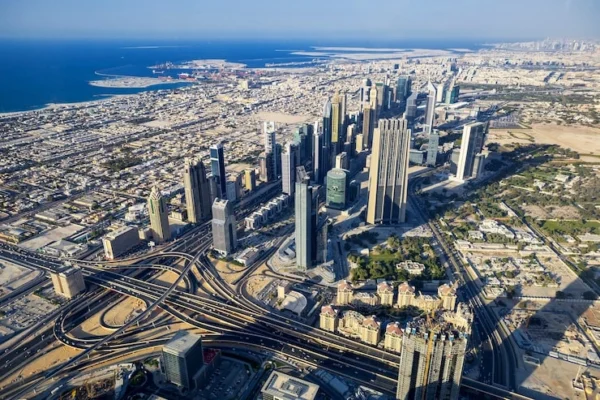
The Gulf hospitality sector is entering a more measured phase of expansion as hotel investment activity slows across several GCC markets, reshaping tourism development strategies in destinations including Dubai, Abu Dhabi, Doha, Riyadh, and Muscat. While tourism demand across the region remains strong, developers and investors are adopting a more cautious approach amid rising geopolitical uncertainty and changing global economic conditions.
The slowdown primarily affects future hotel development pipelines rather than existing travel operations. Hotels, resorts, airlines, and tourism attractions across the Gulf continue operating normally, while international visitor arrivals remain stable across major regional tourism hubs. However, several planned hospitality projects are now experiencing revised timelines, delayed launches, or strategic reassessments as investors focus increasingly on risk management and long-term sustainability.
Industry observers describe the shift as a recalibration of growth priorities rather than a decline in tourism momentum, with Gulf countries continuing to position tourism as a central pillar of economic diversification strategies.
GCC Tourism Remains Strong Despite Slower Expansion
Tourism activity across the Gulf continues to benefit from world-class infrastructure, major international airlines, luxury hospitality brands, and extensive global air connectivity. Key destinations such as Dubai, Abu Dhabi, Doha, Riyadh, and Muscat remain among the Middle East’s busiest tourism and business travel centers, supported by large-scale government investment and expanding international visitor demand.
Airlines across the region continue operating extensive international networks connecting Europe, Asia, Africa, and the Americas through major Gulf aviation hubs. Airports remain fully operational, ensuring uninterrupted accessibility for leisure travelers, corporate visitors, and transit passengers.
The primary impact of the slowdown lies within future hotel supply growth. Travelers visiting the region over the next several years may encounter fewer newly opened hotels and resort projects than originally projected during the Gulf’s recent expansion boom.
For the tourism sector, this creates a transition from rapid development toward more carefully managed growth focused on profitability, experience quality, and long-term destination sustainability.
Geopolitical Uncertainty Influences Hospitality Investment
Regional geopolitical tensions are playing a significant role in shaping investor behavior across the hospitality sector. Large-scale tourism projects often require substantial financial commitments and extended development timelines, making investors increasingly sensitive to external political and economic risks.
As a result, several developers are reassessing hospitality portfolios, redesigning project scopes, or postponing launches until market conditions stabilize further. This cautious investment climate is particularly visible in luxury resort developments, mixed-use tourism districts, and large waterfront hospitality projects that depend heavily on international tourism demand and long-term capital confidence.
Despite the slowdown, industry analysts emphasize that tourism strategies across GCC nations remain firmly intact. Governments throughout the Gulf continue prioritizing tourism infrastructure, cultural development, entertainment projects, and global visitor attraction campaigns as part of broader economic diversification plans.
Long-term tourism initiatives linked to national transformation programmes and international event strategies are still expected to proceed gradually over time.
Travelers May See Changes in Hotel Availability and Pricing
For international travelers, the evolving hospitality landscape may create noticeable shifts in future hotel availability patterns, particularly during peak travel seasons and major regional events.
In the short term, visitors are unlikely to experience operational disruptions. Existing hospitality properties continue maintaining high service standards, and tourism experiences across the region remain largely unaffected.
However, slower hotel development could eventually tighten room supply in high-demand destinations, especially within luxury and waterfront segments that attract premium international travelers. Limited new inventory entering the market may contribute to pricing pressure during busy travel periods.
Travel advisors increasingly recommend earlier bookings and more flexible planning strategies for visitors heading to major Gulf destinations during holiday seasons, business conferences, and international exhibitions.
The slowdown may also encourage travelers to explore alternative destinations within the Gulf region where tourism growth continues evolving at a steadier pace.
Experience-Driven Tourism Becomes the New Priority
Even as investment activity moderates, Gulf tourism authorities are increasingly shifting focus toward quality-driven tourism experiences rather than rapid hotel construction alone.
Countries across the GCC are placing greater emphasis on cultural tourism, heritage preservation, eco-tourism, wellness travel, and immersive visitor experiences. New tourism strategies increasingly prioritize authentic local engagement over purely large-scale commercial expansion.
This includes investment in desert tourism, cultural districts, heritage attractions, eco-resorts, and sustainable tourism initiatives designed to create deeper traveler connections with regional identity and culture.
Secondary destinations including Oman, Bahrain, and Kuwait are also gaining visibility among international travelers seeking less crowded, culturally immersive experiences beyond the Gulf’s traditional luxury tourism hubs.
These markets are benefiting from growing interest in authentic regional experiences, slower-paced travel, and destination diversity within the Middle East tourism sector.
Long-Term Outlook for Gulf Tourism Remains Positive
Despite current investment caution, the long-term outlook for Gulf tourism remains broadly optimistic. The region continues benefiting from strategic geographic positioning, advanced aviation infrastructure, strong government support, and globally recognized hospitality brands.
Industry experts widely view the present slowdown as a temporary adjustment period rather than a reversal of tourism growth ambitions. Once geopolitical and economic conditions stabilize further, hotel investment activity is expected to regain momentum across several GCC markets.
For travelers, the evolving tourism environment may ultimately deliver a more balanced and experience-focused Middle East travel landscape where service quality, sustainability, and cultural authenticity play larger roles alongside luxury hospitality.
While the pace of hotel expansion has slowed, the Gulf remains one of the world’s most connected and ambitious tourism regions, continuing to welcome global travelers with modern infrastructure, premium hospitality, and expanding cultural experiences.
For more travel news like this, keep reading Global Travel Wire