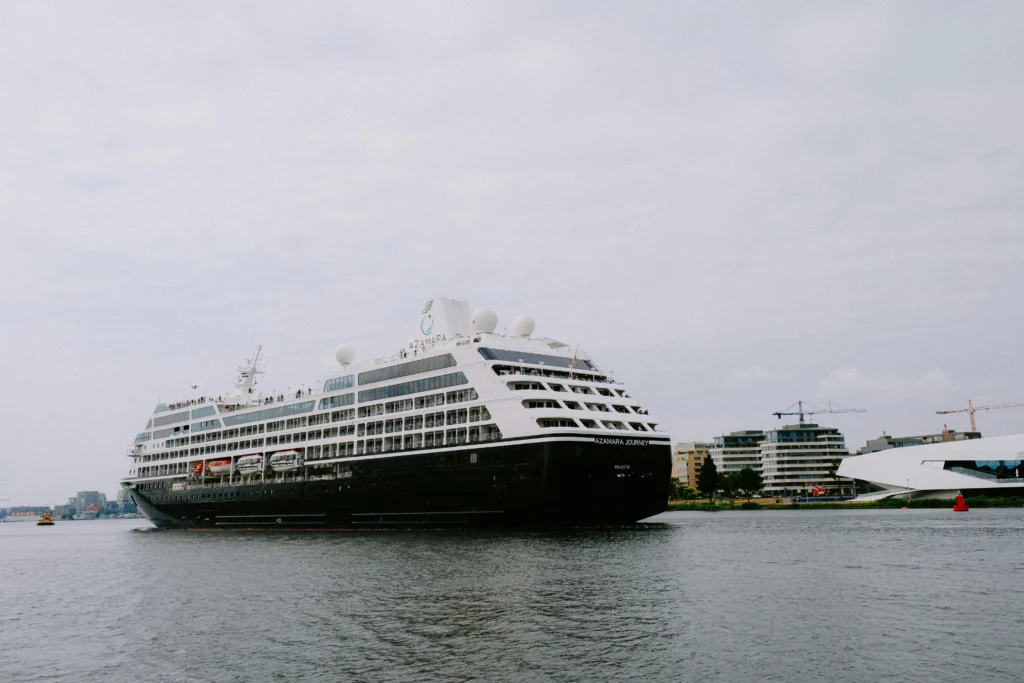
Modern cruise vacation safety relies heavily on international partnerships, rapid-response infrastructure, and strict medical oversight. This intricate balance became the center of public attention following a rare outbreak of the Andes strain of hantavirus on the Dutch-flagged vessel MV Hondius. The cruise ship, which originally departed from Ushuaia, Argentina, for an expedition to remote areas of the South Atlantic, experienced a localized outbreak that resulted in eleven cases and three fatalities among international travelers.
Following a complex repatriation process coordinated alongside global health agencies, eighteen American passengers were transferred directly to the National Quarantine Unit in Omaha, Nebraska. Housed within the Dr. Erwin G. and Dorothy Balbach Davis Global Center at the University of Nebraska Medical Center, this specialized location is the only federally funded facility of its kind in the United States. While the unit is structurally designed to handle high-consequence pathogens, the implementation of a prolonged, involuntary 42-day isolation period has highlighted the emotional toll that emergency maritime health protocols can place on returning holidaymakers.
Inside the National Quarantine Unit: High-Tech Safety Over Patient Care
For individuals entering forced isolation after a vacation, adjusting to a specialized containment facility presents significant emotional hurdles. A 30-year-old traveler from New York State, who was among those repatriated from the vessel, expressed extreme frustration regarding the involuntary nature of the containment, comparing the strict lack of mobility to a detention setting. Despite understanding the underlying medical necessity for isolation, several passengers requested permission from the Centers for Disease Control and Prevention (CDC) to complete the remainder of their incubation period inside their personal residences.
In response to these concerns, health officials note that the National Quarantine Unit is functionally designed to operate much more like a high-security hotel than a traditional hospital ward. The 20-bed facility features 300-square-foot single-occupancy suites complete with en suite bathrooms, private exercise equipment, and high-speed internet to support wellness during extended stays. However, to eliminate any threat of airborne transmission, each room utilizes advanced engineering controls, including independent negative air pressure systems and specialized air filtration, which strictly prevents passengers from intermingling or receiving outside visitors.
The Science Behind the Quarantine: Managing the Long Incubation of the Andes Virus
The decision by federal authorities to issue strict quarantine mandates is rooted directly in the challenging epidemiology of the Andes hantavirus. Unlike other variants of the family Hantaviridae, which are primarily contracted through contact with infected rodents, the specific Andes strain involved in the cruise ship cluster is capable of person-to-person transmission. Official World Health Organization statements clarify that the virus causes Hantavirus Pulmonary Syndrome, a severe respiratory illness that carries a high fatality rate of 20 to 40 percent.
Because the incubation period for this particular pathogen can stretch between one and six weeks, health authorities must maintain monitoring for up to 42 days from the point of last exposure to ensure public safety. Official documentation issued to the isolated passengers states that individuals remain at the highest risk of developing sudden respiratory distress during the initial 21 days of this window. Federal health agencies emphasize that allowing exposed travelers to complete this period in home environments poses an unacceptable risk of introducing a highly hazardous communicable disease into localized communities, particularly if passengers encounter the public while traveling across state lines.
Enforcement and the Future of Cruise Ship Emergency Frameworks
The legal framework supporting these emergency measures is exceptionally robust. Passengers who contemplated leaving the Nebraska facility were presented with formal, federal quarantine orders confirming that violating the isolation mandate could result in severe criminal penalties, including fines or up to a year of incarceration. While health administrators continue to discuss the optimal balance between institutional monitoring and home-based isolation, the strict legal enforcement underscores the gravity with which federal partners treat potential outbreaks.
From an industry perspective, the handling of the cruise ship cluster serves as a vital case study for the continuous evolution of international maritime safety rules. Cruise operators and national health departments are increasingly refining their response plans to manage medical emergencies in remote corners of the globe. As the remaining crew members complete separate sanitation protocols overseas, the strict enforcement of the Omaha quarantine serves as a powerful reminder of the complex, highly organized infrastructure required to protect domestic populations from emerging international health threats.
For more travel news like this, keep reading Global Travel Wire